
Introduction
Hyperextension exercises are simple but powerful movements designed to strengthen your lower back, glutes, and hamstrings. While the name might sound technical, the exercise itself is straightforward, making it accessible to people at almost any fitness level. The main goal is to improve strength in the muscles that support your spine, which can enhance posture, reduce discomfort, and boost overall physical performance.
Including hyperextensions in your fitness routine is beneficial for a wide range of individuals. Beginners can develop foundational strength and stability, athletes can enhance power and prevent injuries, and office workers who spend hours sitting can use this exercise to combat poor posture and lower back stiffness. With regular practice, hyperextension exercises can be a valuable tool for anyone looking to maintain a healthy and resilient back.
What Is a Hyperextension Exercise?
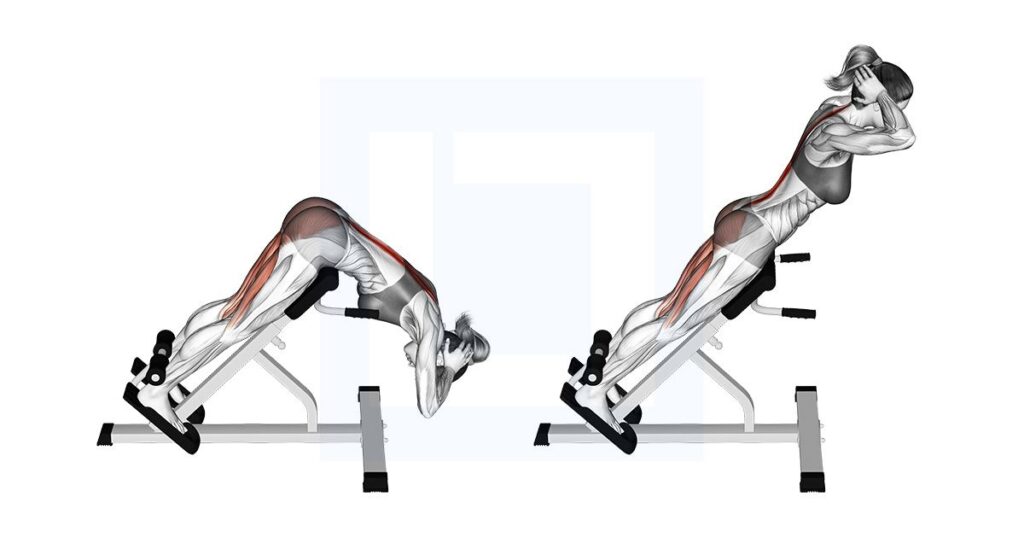
At its core, a hyperextension exercise involves bending forward at the hips while keeping your back straight, then slowly lifting your torso back up to align with your legs. This movement primarily targets the lower back muscles but also engages the glutes, hamstrings, and core.
What sets hyperextensions apart from other back-strengthening exercises, such as deadlifts or bridges, is their focus on controlled movement and spinal stability. Instead of lifting heavy weights from the ground, hyperextensions allow you to strengthen the posterior chain with less risk of strain, making them suitable for both beginners and advanced exercisers.
Benefits of Hyperextension Exercises
Hyperextension exercises offer numerous advantages beyond simply strengthening the back. One of the most noticeable benefits is improved posture. Strengthening the muscles along the spine helps keep your back upright, which is particularly helpful for people who spend long hours sitting at a desk.
These exercises also strengthen the posterior chain—the combination of lower back, glutes, and hamstrings—which is essential for movements like running, jumping, and lifting. A strong posterior chain can reduce the risk of back injuries by providing better support for the spine and improving overall body mechanics.
Athletes, in particular, can benefit from hyperextensions as they enhance performance in sports that require explosive movements, such as sprinting or jumping. Even for non-athletes, regular practice can lead to a stronger, more resilient back, reducing discomfort during daily activities and helping maintain an active lifestyle.
Step-by-Step Guide to Performing Hyperextensions Safely
Performing hyperextension exercises correctly is key to gaining benefits while avoiding injury. Start by positioning yourself on a hyperextension bench or stability ball, ensuring your hips are supported and your body is aligned. Your feet should be firmly anchored, and your hands can rest lightly behind your head or across your chest.
As you bend forward at the hips, keep your back straight and avoid rounding your spine. Lower yourself only until your torso is slightly below parallel with your legs, then lift back up slowly using the strength of your lower back and glutes. Focus on controlled movements rather than speed, as rushing can increase the risk of strain.
Common mistakes to watch for include overextending the back, using momentum instead of muscle control, or letting the hips shift on the support pad. Using proper equipment, such as a well-padded hyperextension bench or stability ball, can help maintain proper alignment and make the exercise safer and more effective.
Variations of Hyperextension Exercises
There are several ways to perform hyperextensions, each offering unique benefits. Standard back extensions are the most common and involve lifting the torso from a hyperextension bench. Weighted hyperextensions add resistance with a plate or dumbbell to increase the challenge for more advanced trainees.
Reverse hyperextensions are performed lying face down on a bench or specialized machine while lifting your legs instead of your torso. This variation emphasizes glute and hamstring activation while reducing pressure on the lower back.
For those who prefer equipment-free options, stability ball or floor-based hyperextensions are effective alternatives. These variations engage stabilizing muscles and can be done at home with minimal space. Exploring different types of hyperextensions allows you to target muscles from various angles and prevent workout monotony.
How Often and When to Include Hyperextensions in Your Routine
The frequency of hyperextension exercises depends on your fitness level and overall workout plan. Beginners can start with two to three sessions per week, performing one to two sets of 10–12 repetitions. As you become more comfortable and your muscles strengthen, you can increase the number of sets or include weighted variations for added resistance.
Hyperextensions can be paired with other lower-body and core exercises, such as squats, deadlifts, or planks, to create a balanced workout. It’s important to allow adequate recovery between sessions, especially for beginners, to prevent overtraining and muscle fatigue. Consistency is more important than intensity, as gradual improvement over time leads to stronger, healthier muscles.
Who Should Be Cautious With Hyperextensions?
While hyperextension exercises are generally safe, certain individuals should approach them with care. People with existing lower back issues or spinal injuries should consult a medical professional or physical therapist before starting. Modifications, such as limiting the range of motion or using bodyweight only, can make the exercise safer for sensitive backs.
Listening to your body is crucial. Any sharp pain, tingling, or discomfort during hyperextensions is a signal to stop and reassess your form or reduce intensity. With mindful practice, most individuals can incorporate hyperextensions safely into their routines, but professional guidance is always beneficial for those with preexisting conditions.
Troubleshooting Common Problems
Experiencing discomfort or limited progress with hyperextension exercises is common, but most issues can be addressed with small adjustments. Back pain often results from improper form, such as rounding the spine or overextending at the top of the movement. Focusing on controlled movements and maintaining alignment can usually resolve these problems.
If you hit a plateau in strength gains, consider gradually increasing repetitions, sets, or adding light resistance. Incorporating different hyperextension variations can also challenge the muscles in new ways, preventing stagnation. Regular feedback, either from a trainer or through self-assessment, ensures you continue making safe and effective progress.
Conclusion
Hyperextension exercises are a simple yet highly effective way to strengthen the lower back, glutes, and hamstrings. They improve posture, reduce the risk of injury, and support overall functional fitness. By focusing on proper form, choosing suitable variations, and integrating them mindfully into your routine, hyperextensions can provide long-term benefits for both beginners and advanced exercisers.
Consistency and careful attention to technique are the keys to success. Whether you’re an athlete seeking performance gains, a desk worker combating poor posture, or someone simply looking to strengthen your back, hyperextension exercises offer a reliable and safe way to build a stronger, more resilient body.
FAQs
What muscles does a hyperextension exercise work?
It mainly targets the lower back, glutes, hamstrings, and core, strengthening the posterior chain.
Can beginners do hyperextension exercises safely?
Yes, beginners can start with bodyweight only, focus on proper form, and gradually progress to weighted variations.
How often should I include hyperextensions in my workout?
2–3 times per week is ideal for beginners, increasing frequency or adding weights as strength improves.
Are hyperextension exercises safe for people with back pain?
Those with existing back issues should consult a doctor or physiotherapist and may need modifications to avoid strain.
What are common mistakes to avoid?
Avoid rounding the spine, overextending at the top, and using momentum instead of controlled movements.