
| Category | Details |
| Full Name | Laura Augusta Gainor (Stage Name: Janet Gaynor) |
| Birth | October 6, 1906, Philadelphia, Pennsylvania |
| Death | September 14, 1984, Palm Springs, California |
| Career Highlights | First Best Actress Oscar (1929), Seventh Heaven, Sunrise, A Star Is Born |
| Acting Style | Emotional, subtle, authentic performances |
| Collaborations | Charles Farrell (frequent co-star), Frank Borzage (director) |
| Legacy | Icon of Hollywood’s Golden Age; inspired generations of actors |
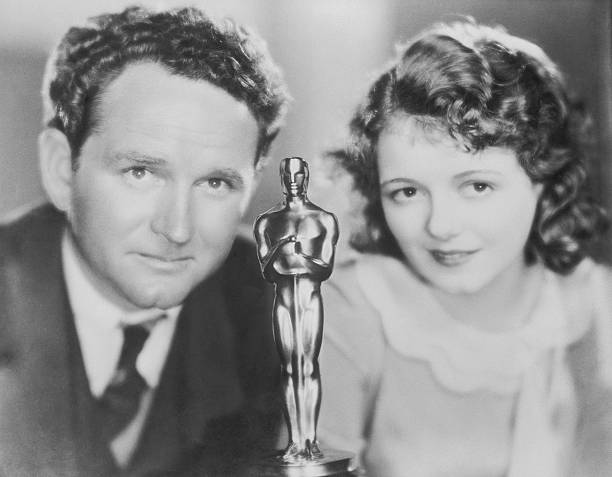
Janet Gaynor was more than just a movie star; she was a symbol of Hollywood’s early glamour and artistry. Rising to fame during the silent film era and successfully transitioning into “talkies,” Gaynor’s charm, grace, and talent captivated audiences around the world. She became the first-ever recipient of the Academy Award for Best Actress in 1929, a testament to her skill and popularity.
Her influence on cinema remains significant even decades after her career peaked. For classic film lovers, Janet Gaynor embodies the elegance and authenticity of early Hollywood, representing an era where storytelling and emotive performances shaped the foundation of the film industry. Exploring her life offers insight not just into her remarkable career, but also into the timeless appeal of classic films.
Early Life and Path to Stardom
Janet Gaynor was born on October 6, 1906, in Philadelphia, Pennsylvania. Her birth name was Laura Augusta Gainor, but she adopted the stage name “Janet Gaynor” as she embarked on her acting career. She was raised in a modest family and experienced the challenges of early 20th-century America, which instilled in her both resilience and ambition.
From a young age, Gaynor showed an interest in performance. She took part in local theater and school productions, nurturing a love for acting that would eventually define her life. After moving to California, she enrolled in acting classes and auditioned for minor film roles, slowly making her way into the world of motion pictures. Her early career involved small appearances in silent films, where her expressive eyes and natural presence began to draw attention. These early experiences laid the groundwork for the stardom she would soon achieve.
Breakthrough Roles and Hollywood Fame
Janet Gaynor’s rise to fame came during the late 1920s, a transformative period for Hollywood. Her breakthrough role in “Seventh Heaven” (1927) showcased her talent for conveying deep emotion, earning critical acclaim and establishing her as a leading lady. She followed this success with standout performances in “Street Angel” (1928) and “Sunrise: A Song of Two Humans” (1927), films that remain celebrated for their artistry and emotional depth.
In 1929, Gaynor became the first actress to receive an Academy Award for Best Actress, recognizing her performances across these three films. Her acting style was marked by subtlety, warmth, and sincerity, qualities that resonated with audiences. Unlike some of her contemporaries who relied on exaggerated gestures for silent films, Gaynor’s performances felt authentic and heartfelt, making her a favorite among moviegoers. Her ability to bridge silent cinema and sound films further cemented her reputation as one of Hollywood’s most versatile stars.
Iconic Films and Career Highlights
Throughout her career, Janet Gaynor delivered performances that remain influential in cinematic history. Beyond her early successes, she starred in “A Star Is Born” (1937), a film that combined drama, romance, and Hollywood intrigue. This role demonstrated her ability to portray complex characters and navigate emotionally demanding stories with grace.
Gaynor also collaborated with notable directors and actors of her time, including Frank Borzage and Charles Farrell, with whom she developed a beloved on-screen partnership. Their chemistry brought numerous romantic dramas to life, making them one of the most popular duos in early Hollywood.
What set Gaynor apart was her natural charm and the emotional honesty she brought to every role. She could make audiences feel joy, sorrow, or longing with a simple glance, a quality that has kept her performances memorable even decades later.
Personal Life Beyond the Screen
While Janet Gaynor’s career was impressive, her personal life reflected a different kind of elegance. She married film producer Paul Gregory in 1939, and their partnership was marked by mutual support and discretion, keeping her family life largely private. Gaynor balanced her career with her responsibilities as a wife and mother, demonstrating a grounded and thoughtful approach to fame.
Outside of acting, she had interests in painting and philanthropy, often supporting local arts initiatives. Her personal values and interests influenced her career choices, as she sought roles that resonated with her emotionally and avoided films that felt superficial. This careful approach contributed to her enduring reputation as a respected and admired figure in Hollywood.
Legacy and Influence on Cinema
Janet Gaynor’s legacy extends far beyond her filmography. She influenced generations of actors by demonstrating the power of subtle, authentic performances. Modern actors often cite her ability to connect deeply with audiences as a standard of excellence in cinematic acting.
Her contributions to Hollywood are recognized not only through her Academy Award but also through her continued presence in retrospectives of classic cinema. Film scholars and enthusiasts study her work to understand early acting techniques and the transition from silent films to sound films. Today, fans remember her as an icon of grace, talent, and dedication, a symbol of a golden era that continues to inspire both filmmakers and viewers.
Fun Facts and Lesser-Known Stories
Behind the scenes, Janet Gaynor was known for her kindness, professionalism, and humor. Co-stars often recalled her generosity on set and her ability to ease tense moments during production. One story tells of her quietly helping a struggling extra during a difficult shoot, reflecting her humility and compassion.
She also had a surprising sense of adventure. Gaynor once expressed a love for travel and nature, often retreating to quiet locations to recharge away from the Hollywood spotlight. Fans may not know that she was an early advocate for actors’ privacy, navigating fame with a careful balance between public and personal life. These glimpses into her character help humanize a star often seen only through her glamorous roles.
Conclusion
Janet Gaynor’s impact on film is undeniable. From her groundbreaking Academy Award win to her memorable performances in both silent and sound films, she helped shape the early years of Hollywood and set a standard for emotional authenticity on screen. Her career, personal life, and lasting influence continue to inspire fans and actors alike.
For anyone exploring classic cinema, Janet Gaynor represents a bridge between the artistry of early film and the enduring appeal of timeless storytelling. Her movies remain a testament to her talent, charm, and dedication, inviting modern audiences to experience the magic of Hollywood’s golden age.
FAQs
Who was Janet Gaynor?
Janet Gaynor was a famous Hollywood actress, the first-ever Best Actress Oscar winner, known for her classic films and timeless screen presence.
What are Janet Gaynor’s most famous movies?
Her most iconic films include Seventh Heaven, Street Angel, Sunrise: A Song of Two Humans, and A Star Is Born.
Did Janet Gaynor win an Academy Award?
Yes, she was the first recipient of the Best Actress Oscar in 1929, recognized for multiple performances in that year.
What made Janet Gaynor unique as an actress?
She was known for her subtle, emotional acting style, which stood out in both silent and early sound films.
How is Janet Gaynor remembered today?
She is remembered as a Hollywood icon, celebrated for her talent, charm, and enduring influence on cinema.