Introduction
A leg curl machine is one of the most reliable tools for strengthening the back of the legs, especially the hamstrings. It works by allowing you to bend your knees against resistance in a smooth, controlled way. The hamstrings are essential for stability, balance, and lower-body strength, but they are often overlooked in everyday workouts. Using a leg curl machine helps you train these muscles safely and effectively, making it an important part of a well-rounded leg routine. Whether you are working out for general fitness, strength, or injury prevention, understanding how this machine works can make a noticeable difference in your results.
Understanding the Leg Curl Machine and How It Works
The leg curl machine is designed to target the hamstrings by isolating the movement of knee flexion. When you pull your heels toward your body, the pads or rollers move with you, creating resistance throughout the entire repetition. This controlled motion helps the hamstrings activate without placing unnecessary stress on your lower back or hips, which can happen with some free-weight exercises.
Because the path of movement is fixed, the leg curl machine is ideal for beginners who want to learn proper form. It’s also helpful for experienced lifters who want consistent tension on the muscles. The simplicity of the machine, combined with its ability to guide your motion, makes it one of the most user-friendly hamstring exercises available.
Types of Leg Curl Machines You’ll See in Gyms
Seated Leg Curl
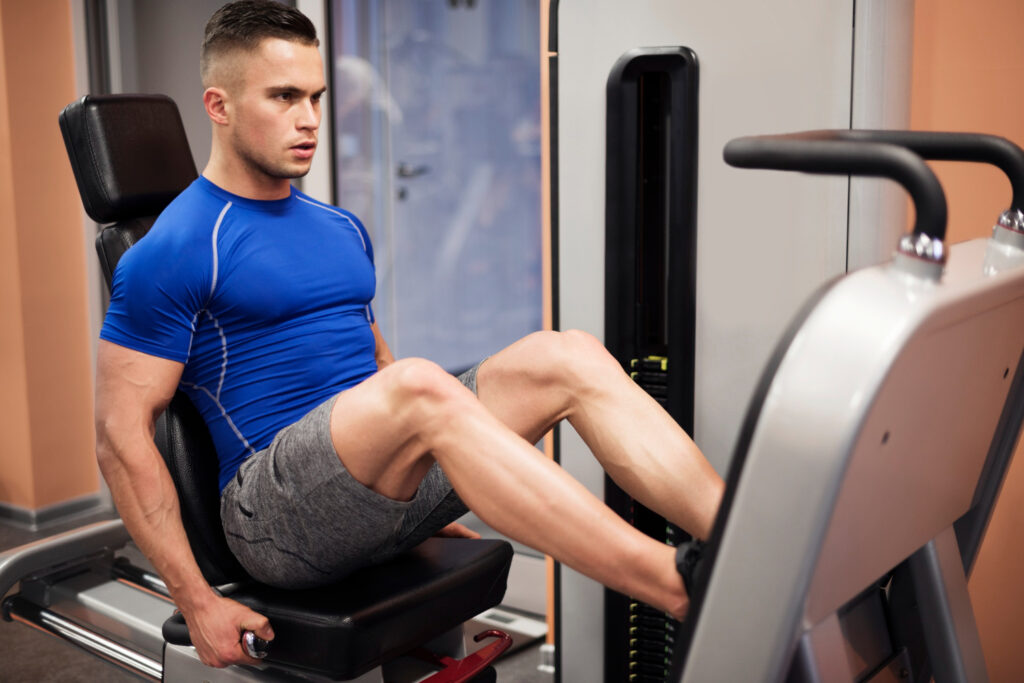
The seated leg curl machine places you in an upright position with your legs stretched in front of you. Once you adjust the thigh pad to hold you securely, you press your lower legs downward against the padded lever. This version is comfortable, easy to control, and often recommended for people who want strong muscle activation without lying face down.
Lying Leg Curl
The lying leg curl machine has you positioned face-down with the pads resting behind your ankles. As you curl your legs upward, the hamstrings work through a deeper stretch, which often makes this variation feel more intense. Many athletes prefer this option because it closely matches natural leg movement patterns.
Standing Single-Leg Curl
A standing leg curl machine lets you train one leg at a time. This is useful for correcting muscle imbalances, building equal strength on both sides, and improving overall control. Since each leg works independently, it can help you identify which side is weaker and needs extra attention.
Plate-Loaded Leg Curl Machine
Plate-loaded variations use weight plates instead of a built-in stack. They offer a smoother and more customizable feel, similar to free-weight training. These machines are often found in strength-focused gyms because they allow lifters to increase resistance gradually and adjust the machine to their personal preference.
Key Muscles Targeted When Using a Leg Curl Machine
The primary muscles trained on a leg curl machine are the hamstrings, which include three muscles running along the back of the thigh. These muscles help bend the knee and support the hips during movement. In addition to the hamstrings, the leg curl machine lightly engages the calves and glutes, especially near the top of the motion. Strengthening these areas contributes to better stability, smoother walking and running, and improved performance in daily life and sports.
Choosing the Right Leg Curl Machine for Your Training Space
Selecting the right leg curl machine depends on your fitness goals, available space, and comfort level. A seated leg curl is often the best option for smaller home gyms because it takes up less room and supports the body well. A lying leg curl may be better if you prefer a deeper stretch and a more athletic feel. Standing and plate-loaded machines are excellent choices for advanced lifters who want more targeted training. The key is choosing a model that feels smooth, stable, and comfortable to use consistently.
How to Use a Leg Curl Machine With Safe, Efficient Form?
Proper Setup
Before starting, adjust the pads so they sit comfortably above your ankles, and make sure your knees are aligned with the machine’s pivot point. Your upper legs should be supported, and your hips should not lift as you curl the weight. Begin with a light load to warm up, focus on slow and controlled movement, and avoid rushing through the exercise.
Common Mistakes to Avoid
Many people use too much weight, which leads to jerking or lifting the hips off the pad. This reduces hamstring engagement and can cause strain. Another mistake is shortening the range of motion. To get the full benefit of the leg curl machine, try to complete a complete curl and return to the starting position without letting the weight drop suddenly.
Benefits of Adding the Leg Curl Machine to Your Routine
Strength
The leg curl machine strengthens the hamstrings in a direct and controlled way. Strong hamstrings help improve performance in running, jumping, lifting, and even simple movements like standing up and walking.
Stability
Balanced leg strength supports your hips, knees, and lower back. When the hamstrings are strong, the body maintains better alignment, which leads to smoother, more stable movement patterns.
Injury Prevention
Weak hamstrings are a common cause of strains, knee issues, and lower-back discomfort. Regular use of a leg curl machine helps support these areas by building stronger and more resilient muscles.
Comparing Leg Curl Machines to Other Hamstring Exercises
While deadlifts, hip thrusts, and bridges also target the hamstrings, they involve multiple muscle groups and require more overall coordination. The leg curl machine isolates the hamstrings more directly, making it easier to maintain form and apply consistent tension. This makes it an excellent companion to other compound exercises rather than a replacement. Many people use the machine as a warm-up, a main exercise, or a finishing movement to fully challenge the hamstrings.
Programming Tips: Reps, Sets, and Training Frequency for Leg Curls
Most people benefit from training the hamstrings two to three times per week. A common approach is three to four sets of ten to fifteen repetitions. Beginners may start with lighter weight and fewer sets, while experienced lifters may use a mix of higher weight and lower reps. The most important thing is paying attention to form and gradually increasing resistance as your strength improves.
Who the Leg Curl Machine Is Best Suited For?
Beginners
New lifters benefit from the fixed movement path, which makes learning proper technique simple and safe.
Strength Athletes
Athletes who lift heavy weights or train intensely rely on the leg curl machine to build strong hamstrings that support their performance and prevent injuries.
Rehab and General Fitness Users
Because the leg curl machine offers a controlled and low-impact movement, many physical therapists recommend it for people returning from injury. Everyday gym-goers also appreciate its ease of use and reliability.
Maintenance Tips for Leg Curl Machines (Home and Commercial)
Keeping a leg curl machine in good condition ensures smooth movement and long-lasting performance. For home users, wiping down the pads after each workout and inspecting bolts or moving parts every few weeks is usually enough. In commercial settings, regular cleaning, lubrication of the moving joints, and occasional professional servicing help maintain the machine’s stability and safety. Proper maintenance also keeps the motion smooth, which improves the overall workout experience.
Conclusion
Understanding how the leg curl machine works and using it with good form can greatly improve your lower-body strength and stability. Because it targets the hamstrings directly, it helps support better movement, reduces the risk of injury, and adds balance to any workout routine. Whether you are a beginner, an athlete, or someone simply wanting stronger legs, the leg curl machine is a practical and valuable tool that fits easily into almost any training plan.
FAQs
Is the leg curl machine good for beginners?
Yes, it’s one of the easiest hamstring exercises to learn because the movement path is guided and stable.
Does the leg curl machine build real leg strength?
Absolutely. It directly targets the hamstrings, helping improve strength, balance, and support for exercises like squats and deadlifts.
How often should I use the leg curl machine?
Most people get great results using it 2–3 times per week, depending on their overall leg-day routine.
Is seated or lying leg curl better?
Both work well. Seated is more comfortable and easy to control, while lying offers a deeper stretch and stronger contraction.
Can I use the leg curl machine for rehab?
Yes—many trainers and therapists use it in early rehab because it offers controlled resistance without stressing the lower back.