
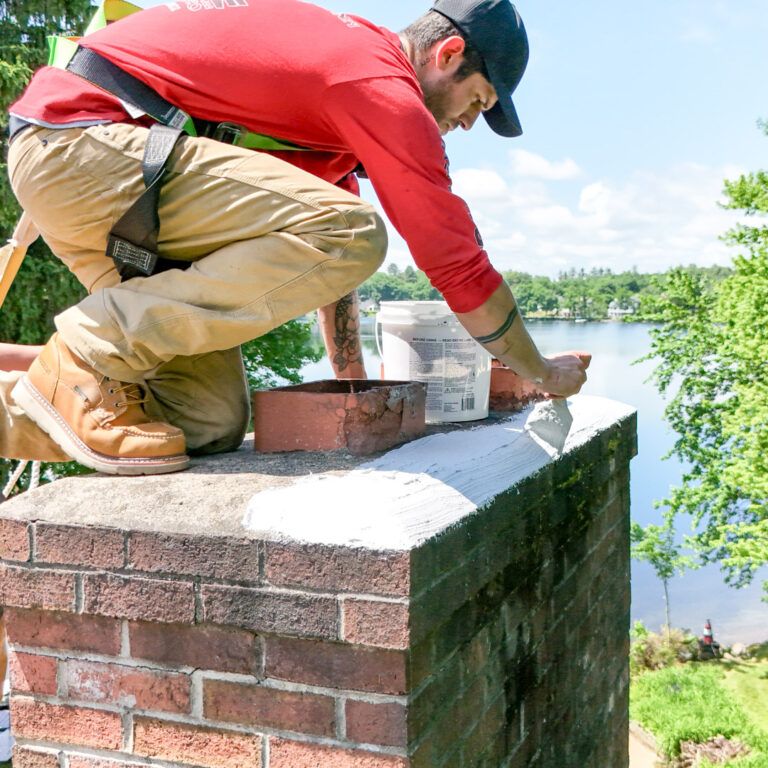
That vertical stack between the manhole cone and the frame is often the weakest link, even when the rest of the structure looks solid from the street.
What the chimney actually is
In many systems, the chimney is built from brick and mortar, adjustment rings, or other stacked materials that bring the manhole frame up to finished grade, and the mr manhole site breaks down how that stacked transition area ends up taking the brunt of real-world wear. It is basically a short, above-cone extension that has to handle traffic vibration, temperature swings, and water exposure every day. Because it sits close to the surface, it takes more abuse than deeper sections of the structure.
Why leaks start here first
Small cracks in mortar joints or gaps around adjustment rings become easy entry points for stormwater. Add freeze-thaw cycles, and those hairline openings can widen over time. Traffic loads can also “pump” the frame, flexing the chimney and stressing old joints. Fun fact freeze-thaw damage happens because water expands about 9% when it turns to ice, which is why tiny leaks can become bigger problems after winter.
The real costs of ignoring chimney leaks
A leak is not just an annoyance. It can ripple into operations, budgets, and even safety in ways that are easy to underestimate.
Infiltration and inflow: the hidden volume problem
When groundwater or stormwater sneaks into the system through chimney gaps, it increases the volume that must be conveyed and treated. That added flow can contribute to backups during heavy rain and can strain pump stations and treatment processes. The frustrating part is that the leak is often invisible from above, so it keeps adding load quietly.
Surface hazards and noise complaints
A compromised chimney can allow the frame to shift slightly, which may lead to rocking lids, rattling, or a frame that sits a bit proud of the pavement. That can create a trip hazard and accelerate pavement wear around the structure. Fun fact that “clunk” you hear when a cover rocks is often a sign of micro-movement, and micro-movement is one of the fastest ways to turn a minor issue into a recurring repair.
What a long-lasting repair looks like in practice?
A durable fix is usually less about a single product and more about a repeatable process that respects how the structure moves and how water behaves.
Step 1: Diagnose before you seal
A good crew starts by identifying the leak path, not just the wet area. Is water entering through mortar joints, around the frame interface, or through missing grout lines between adjustment rings? Cleaning, probing joints, and checking for voids helps avoid the classic mistake of sealing the symptom while the actual entry point stays open.
Step 2: Remove weak materials, do not bury them
If bricks are crumbling or mortar is soft, covering it with a surface coat is rarely a long-term win. The repair should remove deteriorated sections so the new system bonds to stable material. This is also where careful surface prep matters, because bonding is only as strong as what you bond to.
Step 3: Rebuild and seal as a system
Long-life chimney repairs often combine rebuilding, structural reinforcement, and sealing at the frame interface. A repair might include resetting components to the right grade, adding a protective barrier, and sealing transitions so water cannot sneak in at joints. Many specialized crews use purpose-built chimney sealing and adjustment methods designed to handle vibration and moisture, and you can see examples of this type of work and the general approach on mrmanhole.com without needing to reference any specific brand name.
Step 4: Finish with grade, fit, and load in mind
The final fit is not cosmetic. A frame that sits flush reduces impact loads. A lid that seats properly reduces rocking. And a watertight transition reduces infiltration. Done right, the repair should look clean, feel solid under traffic, and stay quiet.
Safety, liability, and why legal help sometimes enters the conversation
Infrastructure work is hands-on, time-sensitive, and often performed around traffic, heavy materials, and confined spaces, which means injuries can happen even on well-run jobs. When a worker is hurt while doing tasks like frame adjustments, chimney rebuilding, or lifting covers, workers’ compensation typically helps cover medical care, wage replacement, and rehabilitation, and it can also protect the worker from being pressured to return before they are ready, and https://workerscompensationattorneyorangecounty.com/ is one example of the kind of legal guidance people look for when they are trying to understand their options. In some situations, a personal injury claim may also be relevant, especially if a third party contributed to the harm, for example a negligent driver in a work zone, defective equipment, or unsafe site conditions controlled by someone other than the employer. A lawyer who handles both workers’ compensation and personal injury can help untangle what applies, preserve key documentation, and make sure deadlines are met, since these cases can move on different tracks and require different proof. The goal is not to inflate a situation, but to keep an injured person from falling through gaps in the process while they focus on recovery and getting back to work safely.
Quick signs you may need chimney repair soon
Catching problems early usually costs less and avoids repeat visits.
- Water staining or active seepage near the frame area after rain
- A rocking lid, persistent rattle, or a frame that looks slightly out of plane with the pavement
Chimney leaks start where materials meet, movement is constant, and water is relentless. The best repairs treat the chimney as a system, not a patch, with careful diagnosis, solid rebuild work, and sealing that anticipates vibration and weather. If you want to see what specialized chimney repair and adjustment work commonly involves, browsing the project and service descriptions at mrmanhole.com can give a helpful, real-world reference point while you plan your own maintenance approach.