
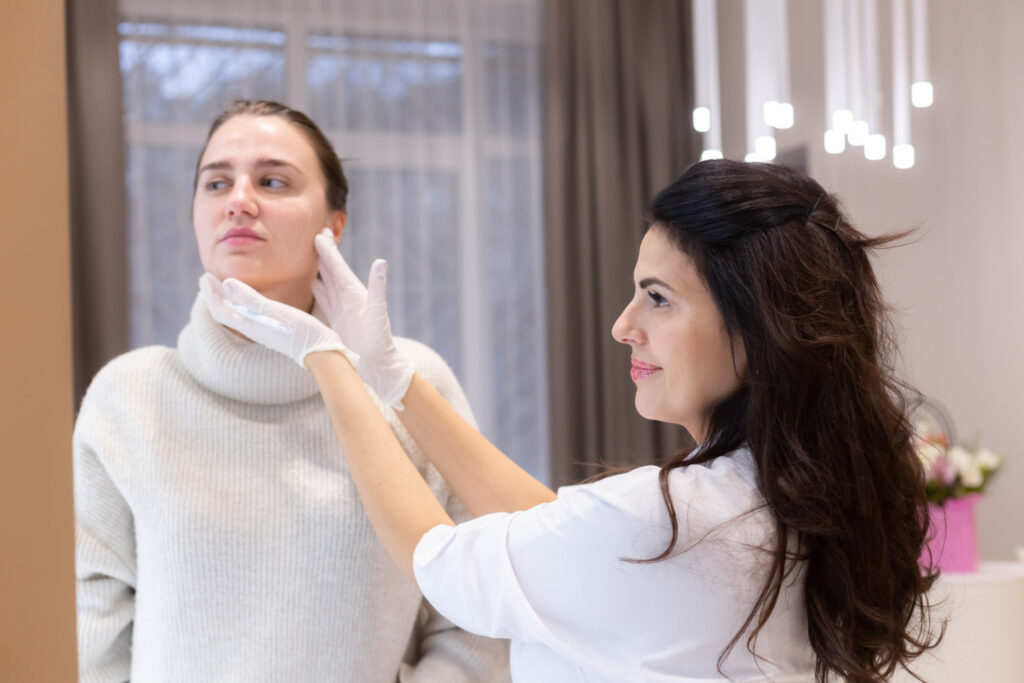
Acne wears you down. You try new products. You book soothing facials. Your skin still hurts, and scars form. At some point, you need more than steam and masks. You need someone who treats acne like a stubborn medical problem, not a beauty flaw. A medical spa bridges that gap. You still get a calm setting. You also get real tools that target oil, bacteria, and clogged pores. For example, an aesthetic clinic Newtown PA might use light therapy, gentle acids, and prescription care together. That mix often reaches deeper than any basic spa facial. This blog explains when facials are not enough, what medical spas can offer, and how to know if it is time to change course. You deserve clear guidance and honest talk about your skin.
Why Regular Facials Often Fall Short?
Basic spa facials feel good. You get cleansing, steam, and masks. Your skin may look smoother for a short time. Then the same deep bumps and red spots come back.
Facials often fall short for three simple reasons:
- They clean the surface but do not reach deep oil glands.
- They do not change how your hormones and skin cells act.
- They rely on gentle products that stop at mild acne.
Acne starts inside the pore. Oil, dead skin, and bacteria build up. The National Institute of Arthritis and Musculoskeletal and Skin Diseases explains that clogged pores and bacteria trigger swelling that you see as pimples and cysts. You can read more at the NIAMS acne overview.
Signs Your Acne Needs More Than Facials
You do not need to wait until your face scars. You can watch for clear warning signs that basic facials are not enough.
Pay close attention if you notice any of these:
- Painful deep bumps that last longer than a week.
- Dark marks or dents that stay after pimples fade.
- Breakouts on your back, chest, or shoulders.
- New flare-ups right before your period every month.
- Acne that does not improve after three months of regular facials.
- Skin that burns or peels from over-the-counter products.
These signs point to moderate or severe acne. At that stage, you need medical strength tools. You also need someone who understands both skin health and your comfort.
What Makes A Medical Spa Different?
A medical spa pairs a health care license with a calm setting. You still see soft lighting and quiet rooms. You also get treatment plans that follow science and safety rules.
At many medical spas, you may see:
- Supervised use of stronger chemical peels.
- Light or laser care that targets bacteria.
- Prescription creams and pills when needed.
The American Academy of Dermatology notes that many people need a mix of treatments to control acne. You can see their treatment guide at the AAD acne treatment page.
Common Acne Treatments At Medical Spas
Each clinic makes its own menu. Still, most medical spas use three main tools for acne care.
1. Medical Grade Topical Care
You may receive creams, gels, or washes that include:
- Benzoyl peroxide to reduce bacteria.
- Retinoids to unclog pores.
- Antibiotics for short-term use on strong flares.
These products are stronger than drugstore options. You use them in a clear plan with close follow-up.
2. Chemical Peels For Acne
Chemical peels remove a thin top layer of skin. That helps open clogged pores and fade dark marks. In a medical spa, the staff chooses the type and strength based on your skin tone and acne type.
Common peel acids include:
- Salicylic acid for oily, clogged skin.
- Glycolic acid for rough texture.
- Lactic acid for sensitive skin.
3. Light And Laser Treatments
Light-based care targets acne in different ways. Blue light can hit acne bacteria. Red light can calm swelling. Some lasers help reduce oil or smooth early scars.
These tools are not quick fixes. You often need several visits. Yet they can support your home routine and cut the risk of deep scars.
Facials Versus Medical Spa Care: Simple Comparison
|
Feature |
Regular Spa Facial |
Medical Spa Acne Care
|
|---|---|---|
| Main goal | Short term relaxation and glow | Clear acne and prevent scars |
| Who oversees care | Esthetician | Licensed medical professional |
| Depth of treatment | Surface cleansing and exfoliation | Surface and deep oil glands |
| Products used | Mild, over the counter strength | Medical grade and prescription |
| Helps mild acne | Sometimes | Often |
| Helps moderate or severe acne | Rarely | Yes, with a plan |
| Scarring focus | Minimal | Direct focus on scar prevention |
How To Decide If A Medical Spa Is Right For You?
You can use three clear steps to make a decision.
Step 1. Look at Your Acne History
Ask yourself:
- How long have you had breakouts
- Do you have family members with acne scars
- Have you tried at least two over-the-counter products for three months
If acne has lasted more than a year or you see early scars, it is time to seek medical help.
Step 2. Check Safety And Training
When you research a medical spa, look for:
- A medical director with a clear license and board status.
- Staff who can explain risks in plain language.
- Policies for handling side effects.
You can verify licenses through your state medical board site. That small step protects your skin and your trust.
Step 3. Plan For Home Care
Clinic visits only work if you support them at home. You may need to:
- Use gentle cleansers twice a day.
- Avoid picking or squeezing pimples.
- Apply sunscreen every morning to protect healing skin.
Think about your schedule and budget. Make sure the plan you choose fits both.
When To See A Dermatologist Instead?
Some acne needs direct dermatologist care from the start. You should go straight to a dermatologist if you have:
- Very painful cysts.
- Fast spreading scars.
- Acne with fever or other illness.
A medical spa can work with a dermatologist. You may get some treatments in the spa and prescriptions in the clinic. The goal is the same. You deserve clear skin and less pain.
Taking The Next Step
You do not have to live with constant breakouts. You also do not need to guess which cream to try next. When facials no longer help, a medical spa can offer structure, stronger tools, and careful follow-up.
Start by tracking your skin for a month. Note pain, new spots, and any scars. Then bring that record to a trusted medical spa or dermatologist. Ask direct questions. Expect clear answers. Your skin carries you through every day. It deserves careful, steady care, not endless trial and error.