
Introduction
Monjayaki is a unique Japanese dish that is both fun to cook and delicious to eat. Often compared to okonomiyaki, monjayaki has its own distinct texture and flavor that make it a must-try for anyone exploring Japanese cuisine. Originating in Tokyo, it holds a special place in the hearts of locals, especially in the city’s lively neighborhoods filled with small eateries and street food stalls. Unlike many Japanese dishes that are neatly plated, monjayaki is cooked directly at the table, making it a social and interactive dining experience. Its combination of savory ingredients, slightly crispy texture, and rich umami flavor sets it apart from other comfort foods in Japan.
What Is Monjayaki?
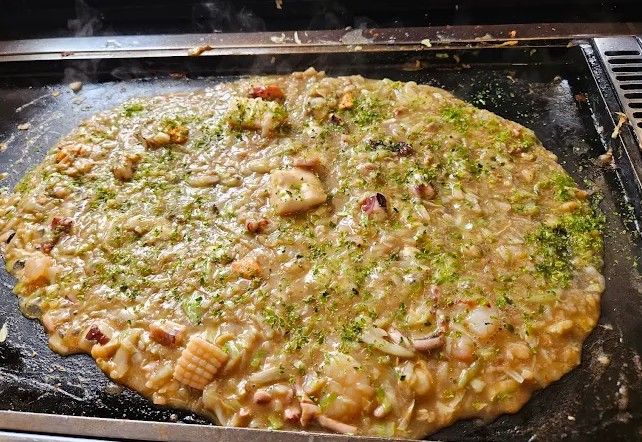
Monjayaki is a type of Japanese pan-fried batter dish that is thinner and runnier than its more famous cousin, okonomiyaki. While okonomiyaki is thick and pancake-like, monjayaki has a gooey, almost liquid texture when cooking, which gives it a distinctive mouthfeel. The dish usually includes flour, water, dashi (a light fish-based broth), and finely chopped ingredients such as cabbage, seafood, or meat. Common flavorings include soy sauce, miso, or other savory seasonings that create a rich and satisfying taste.
The primary difference between monjayaki and okonomiyaki lies in both texture and cooking style. Okonomiyaki is dense, often flipped and cooked like a traditional pancake, whereas monjayaki is stirred constantly and eaten directly from the iron griddle. This makes monjayaki less about presentation and more about the sensory experience of cooking and eating together at the table. The flavor is usually lighter and more delicate, but the combination of ingredients creates a satisfying umami punch.
A Quick History of Monjayaki
Monjayaki originated in Tokyo during the early 20th century, particularly in the districts along the Sumida River. Originally, it was a cheap and filling snack for laborers and children, made with simple ingredients that were easy to source. Over the decades, it evolved from a humble street food into a popular dish served in specialized restaurants and casual eateries.
During the post-war period, monjayaki gained widespread popularity in Tokyo’s bustling neighborhoods. Small shops began to experiment with toppings, flavorings, and preparation styles, turning it into a culinary staple of the city. Today, monjayaki is enjoyed not only as a local favorite but also as a cultural experience for tourists seeking an authentic taste of Tokyo’s food scene. Its appeal lies in both the flavors and the communal way it is prepared and eaten.
How Monjayaki Is Made?
Monjayaki is traditionally cooked on a flat iron griddle, either in restaurants or at home. The cooking process begins by mixing flour with water and dashi to create a thin batter. Finely chopped ingredients, such as cabbage, seafood, pork, or even cheese, are then added to the batter. The mixture is poured onto the griddle and stirred continuously until it reaches a slightly crispy, golden-brown bottom while remaining soft and gooey on top.
Variations of monjayaki abound, with different ingredients and sauces enhancing the flavor. Some shops add mochi, kimchi, or shrimp, while others use unique regional seasonings. The key to making monjayaki well is the texture: it should be runny enough to spread thinly on the griddle but firm enough to hold the mix of ingredients together. Cooking is interactive and usually done at the table, allowing diners to control the level of crispiness and flavor.
Where to Enjoy Monjayaki in Japan?
Tokyo remains the best place to experience authentic monjayaki. Neighborhoods such as Tsukishima, often referred to as the “monjayaki district,” are filled with small restaurants specializing in the dish. These eateries typically provide personal iron griddles at each table, allowing diners to cook the monjayaki themselves while enjoying a lively atmosphere.
For the best dining experience, it’s recommended to visit during off-peak hours to avoid crowded tables. Watching the monjayaki cook while chatting with friends or family adds to the enjoyment of the dish. Seasonal and regional variations also exist, with certain shops incorporating fresh seafood in summer or hearty vegetables in winter, offering subtle differences in flavor depending on the time of year.
Homemade Monjayaki: Tips and Tricks
Making monjayaki at home can be simple and rewarding. Beginners can start with basic ingredients such as cabbage, flour, water, and a light broth. A nonstick pan can substitute for a traditional iron griddle, although using a flat griddle provides the most authentic texture. The batter should be thin but not watery, and ingredients should be finely chopped to ensure even cooking.
Common mistakes to avoid include pouring the batter too thickly or overcooking it, which can make it tough and lose its signature gooey texture. Adding optional toppings like cheese, seafood, or a dash of soy sauce can enhance the flavor. Cooking monjayaki is as much about enjoying the process as the result, so it’s best to take your time and savor the experience.
Monjayaki Culture: More Than Just a Dish
Monjayaki is more than food; it’s a cultural experience. Cooking and eating it at the table encourages social interaction, making it popular for gatherings among friends and families. Festivals in Tokyo often feature monjayaki stalls, highlighting its role as a beloved street food and cultural icon.
The dish reflects Japanese creativity in combining simple ingredients into a flavorful, interactive meal. Its flexible recipe allows for experimentation, and its communal preparation fosters a sense of togetherness. Monjayaki shows how food can be both comforting and playful, connecting people through shared culinary traditions.
Conclusion
Monjayaki is a dish that captures the heart of Tokyo’s street food culture. Its unique texture, savory flavors, and interactive cooking style make it stand out from other Japanese dishes. Whether enjoyed in a bustling restaurant in Tokyo or made at home, monjayaki offers both a taste and a cultural experience that is truly special. Trying monjayaki allows you to appreciate not just its delicious flavor but also the communal and creative spirit behind this iconic Japanese dish.
FAQs
What is monjayaki?
Monjayaki is a Japanese pan-fried dish from Tokyo, thinner than okonomiyaki, cooked on a griddle, and eaten straight from the pan.
How is monjayaki different from okonomiyaki?
Monjayaki is runnier, stir-cooked, and gooey, while okonomiyaki is thick, pancake-like, and flipped during cooking.
Can I make monjayaki at home?
Yes! With simple ingredients like cabbage, flour, water, and a griddle, you can easily prepare monjayaki at home.
Where can I try authentic monjayaki in Japan?
Tokyo’s Tsukishima district is famous for monjayaki, with many local restaurants offering table-top cooking experiences.
What are popular toppings for monjayaki?
Common toppings include seafood, pork, cheese, mochi, and various sauces to enhance the flavor.