
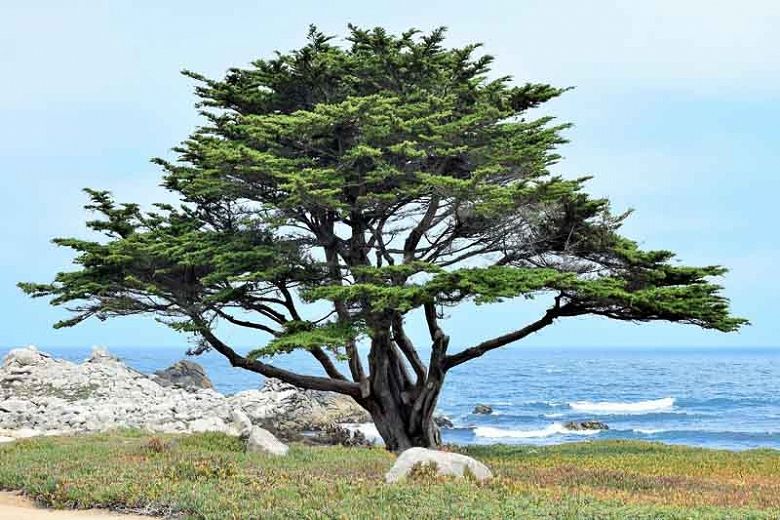
The Monterey cypress is a tree that immediately captures attention with its dramatic shape and evergreen foliage. Native to the central coast of California, this unique tree thrives in coastal environments where few others can survive. Its rugged beauty, resilience against strong winds, and rich green needles make it a favorite for both natural landscapes and cultivated gardens. Whether you are a gardener, landscape enthusiast, or simply curious about coastal flora, the Monterey cypress offers a fascinating glimpse into nature’s ability to adapt and flourish in challenging conditions.
Origins and Natural Habitat of Monterey Cypress
Monterey cypress, scientifically known as Cupressus macrocarpa, is indigenous to a very small area along the central coast of California, particularly around the Monterey Peninsula. Unlike many other tree species, it has a very limited natural range, which makes it especially intriguing to botanists and nature lovers alike.
These trees have adapted to the specific conditions of coastal cliffs, where fog, salty air, and strong winds are constant factors. The Monterey cypress thrives in well-drained soils and can survive in areas with poor nutrients, thanks to its hardy root system. The cool, moist climate of the California coast, combined with frequent fog, provides the ideal environment for these trees to grow tall and maintain their lush, green foliage throughout the year.
Distinctive Features of Monterey Cypress
One of the most striking aspects of the Monterey cypress is its silhouette. Unlike perfectly symmetrical trees, Monterey cypress often grow in unique, wind-sculpted forms. Coastal winds shape their branches over time, giving each tree a character all its own. Some trees appear almost sculptural, with twisted trunks and dense, dark green canopies that seem to defy gravity.
Monterey cypress trees can grow up to 40 meters tall in ideal conditions, although those exposed to harsh coastal winds often remain smaller and broader. Their foliage consists of scale-like leaves that overlap densely, providing a vibrant green color year-round. Another notable feature is their bark, which is thick and deeply furrowed, offering protection against harsh weather and helping retain moisture. These distinctive traits make Monterey cypress trees instantly recognizable and highly valued in landscaping.
Growing and Caring for Monterey Cypress
Growing Monterey cypress outside its natural habitat is possible, but it requires some attention to detail. The tree prefers full sun exposure and well-drained soil. It can tolerate a range of soil types, including sandy and rocky soils, making it adaptable to many coastal gardens. However, good drainage is essential to prevent root rot, which the tree is particularly sensitive to.
Watering needs depend on climate and soil type. Young trees require regular watering to establish strong roots, while mature trees are drought-tolerant and can survive long dry periods once established. Pruning is important for maintaining the tree’s shape and preventing branches from becoming too heavy. Light pruning in late winter or early spring encourages healthy growth and maintains the characteristic wind-sculpted appearance without damaging the tree.
Common Challenges and How to Overcome Them
Despite its resilience, the Monterey cypress faces several challenges, particularly when grown outside its native environment. Pests like cypress aphids and spider mites can occasionally affect the foliage, leading to yellowing or thinning branches. Fungal diseases, such as cypress canker, can also pose a threat if the tree experiences prolonged stress or poor drainage.
Environmental stresses, including strong coastal winds and salt spray, are natural challenges for this species. While the tree is adapted to withstand these conditions, young or transplanted trees may require windbreaks or protective barriers during the initial years. Regular inspection for pests, proper watering, and careful pruning can help maintain the health of the tree and prevent most common problems.
Landscaping and Design Uses
Monterey cypress is a versatile tree for landscaping, offering both functional and aesthetic benefits. Its bold, sculptural form makes it an excellent focal point in gardens, parks, and coastal properties. It can be used to create natural windbreaks, define property lines, or provide privacy without the need for fences.
Designers often use Monterey cypress in combination with native shrubs and ornamental grasses to enhance the natural feel of coastal landscapes. Its evergreen foliage ensures year-round greenery, while its dramatic shape adds visual interest to open spaces. In public spaces, these trees are sometimes planted along walkways or near beaches to provide shelter and contribute to the overall beauty of the area.
Environmental and Ecological Benefits
Beyond its visual appeal, Monterey cypress serves important ecological roles. Its deep roots help stabilize soil on cliffs and slopes, preventing erosion in fragile coastal environments. The dense canopy provides shelter for birds and small mammals, contributing to local biodiversity.
In addition, Monterey cypress trees act as windbreaks, reducing the impact of strong coastal winds on nearby plants and structures. Their presence in gardens and parks can create microclimates, offering protection to more delicate species and promoting a healthier, more resilient landscape. By planting and maintaining these trees responsibly, people can support both environmental health and natural beauty.
Fun Facts and Historical Significance
Monterey cypress has a rich history and is full of interesting trivia. Although native to a small area in California, it has been widely cultivated around the world, from New Zealand to the Mediterranean coast, due to its striking appearance and adaptability. The tree’s wind-sculpted forms have inspired artists, photographers, and gardeners alike, often serving as a symbol of strength and endurance in challenging conditions.
Historically, the wood of Monterey cypress was used for fence posts, furniture, and other practical applications due to its durability and resistance to decay. Today, the tree is primarily valued for its aesthetic and ecological contributions rather than its timber. Its rare natural stands are protected in parks and reserves, highlighting the importance of conserving this unique species for future generations.
Conclusion
The Monterey cypress is a remarkable tree that combines beauty, resilience, and ecological value. From its dramatic coastal forms to its role in stabilizing soil and supporting wildlife, it is a species worth appreciating and preserving. Whether planted in gardens, parks, or coastal landscapes, the Monterey cypress enhances the environment while inspiring admiration for the adaptability and elegance of nature. By understanding its needs and challenges, anyone can enjoy the charm and benefits of this iconic coastal tree, ensuring it continues to thrive for generations to come.
FAQs
Where does Monterey cypress naturally grow?
It is native to the Monterey Peninsula in California, growing in coastal cliffs and foggy environments.
How fast does a Monterey cypress grow?
It grows moderately fast, reaching full height in 20–30 years under ideal coastal conditions.
Can Monterey cypress survive away from the coast?
Yes, but it prefers mild climates with good drainage; extreme heat or humidity can stress the tree.
How do I protect my Monterey cypress from pests and diseases?
Regularly check for aphids, spider mites, and fungal infections. Proper watering and pruning reduce stress and susceptibility.
Can Monterey cypress be used in landscaping?
Absolutely. Its dramatic form makes it perfect as a focal point, windbreak, or natural privacy screen in gardens and coastal areas.