
Introduction
Mortadella is a classic Italian sausage that has delighted taste buds for centuries. Unlike typical cold cuts you might find in American delis, mortadella is a delicate, smooth, and subtly spiced sausage made from finely ground pork and small cubes of pork fat. Its unique combination of texture and flavor makes it a staple in Italian cuisine, especially in Bologna, where it originates.
What sets mortadella apart from other sausages, like American-style bologna, is its refined texture and nuanced taste. While bologna tends to be uniform and mild, mortadella is richer, with tiny pockets of fat that give it a creamy mouthfeel and a gentle, savory aroma. In Italy, mortadella is more than just a food item; it is a symbol of culinary heritage. From family meals to festive celebrations, it carries both tradition and craftsmanship in every slice.
What Makes Mortadella Unique?
Mortadella’s charm begins with its ingredients. The main component is high-quality pork, which is finely ground into a smooth paste. Mixed into this are small cubes of pork fat, usually taken from the neck of the pig, which remain distinct even after cooking. Some versions also include pistachios or olives, adding a subtle crunch and nutty flavor. These elements work together to create a sausage that is both visually appealing and deliciously rich.
Texture is one of mortadella’s most notable features. Unlike coarser cured meats, it has a silky, almost melt-in-your-mouth consistency. The fat cubes punctuate this creaminess, offering little bursts of flavor with every bite. Its aroma is equally inviting — delicate but distinct, with hints of spices such as black pepper and, in some traditional recipes, myrtle berries.
What truly distinguishes mortadella from other cured meats is this balance of richness and refinement. It is neither overwhelmingly fatty nor too bland. The careful blending of ingredients, combined with slow cooking techniques, ensures a subtle, elegant flavor that stands out on charcuterie boards, in sandwiches, and in cooked dishes alike.
How Mortadella Is Made?
The production of mortadella is a craft that blends traditional methods with modern food processing. It starts with grinding the pork into a fine paste, which is then carefully seasoned. Common seasonings include black pepper, nutmeg, and sometimes myrtle berries. The small cubes of pork fat are folded in at this stage, ensuring they remain intact during cooking.
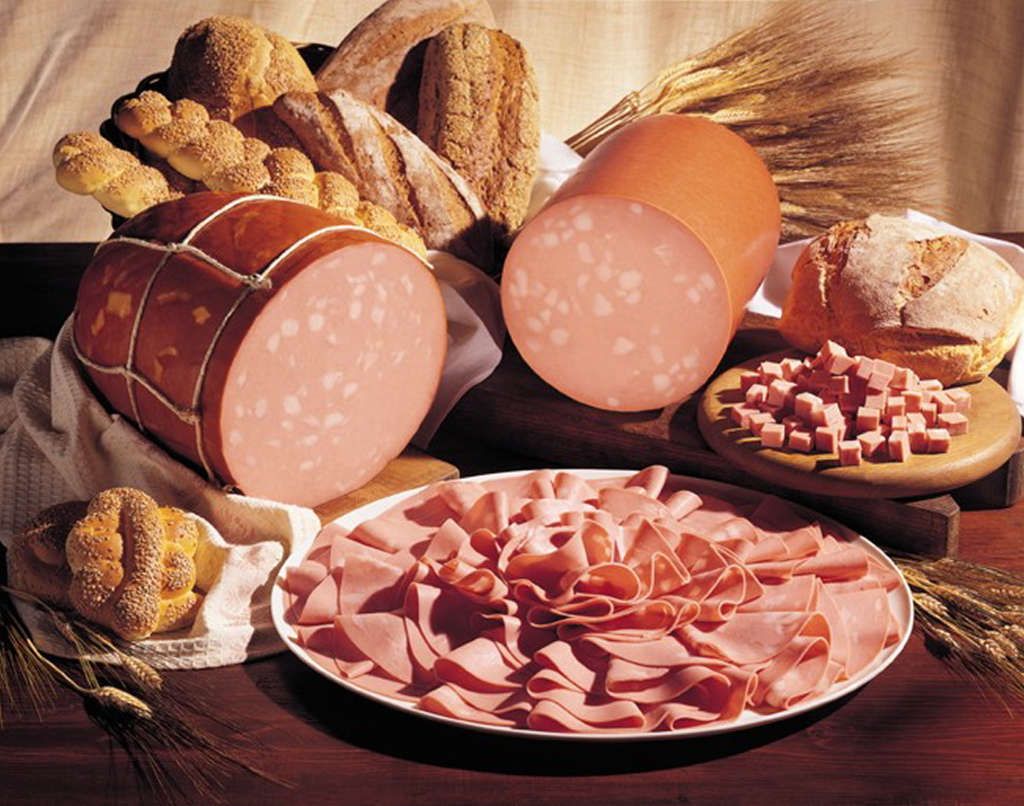
Once mixed, the mortadella is packed into large casings and slow-cooked, usually by steaming in ovens. This gentle cooking process can take several hours, especially for larger sausages, and is crucial for developing its signature texture. The fat cubes soften slightly but do not melt, giving the final product that characteristic polka-dot appearance and creamy feel.
After cooking, the sausage is rapidly cooled to preserve flavor and texture. While traditional mortadella is made exclusively from pork, modern adaptations include beef, chicken, or even Halal-friendly versions. These alternatives maintain the smooth texture and rich taste of traditional mortadella, allowing a wider audience to enjoy this Italian classic.
Exploring Different Types of Mortadella
The most famous type of mortadella is Mortadella Bologna PGI, which holds Protected Geographical Indication (PGI) status in the European Union. This designation guarantees that the sausage is produced in specific regions of Italy, using traditional recipes and methods. Mortadella Bologna PGI is highly valued for its consistent quality and authentic flavor.
Beyond Bologna, there are regional variations that offer unique twists. For example, Mortadella di Prato is flavored with alchermes liqueur, adding a subtle sweetness and a rosy hue, while Mortadella di Campotosto is a smoked sausage with a central bar of lard, offering a deeper, more robust flavor profile.
In addition, modern adaptations have expanded mortadella’s appeal. Halal versions made from beef or chicken allow consumers with dietary restrictions to enjoy this Italian specialty without compromising taste. These variations demonstrate mortadella’s versatility while respecting traditional flavors.
Popular Brands and Quality Tips
Several producers are known for crafting high-quality mortadella. Artisanal brands like Salumificio Mec Palmieri and Capitelli are praised for their careful attention to detail, while larger companies such as Boar’s Head and Dietz & Watson offer widely available options with consistent taste.
When shopping for mortadella, quality can often be judged by appearance and aroma. Look for sausages with clearly defined cubes of fat and a smooth, even texture. High-quality mortadella should smell fresh and slightly spiced, without an overly processed or artificial aroma. Artisanal products tend to be more flavorful and have a richer mouthfeel, while mass-produced versions are convenient and reliable, though sometimes less complex in taste.
Delicious Ways to Enjoy Mortadella
Mortadella is wonderfully versatile in the kitchen. On a charcuterie board, thin slices or small cubes can be paired with cheeses, fruits, nuts, and bread, creating a visually striking and flavorful spread. Its mild, creamy taste complements stronger cheeses and balances sweet accompaniments like figs or grapes.
For sandwiches, mortadella shines as the main ingredient. A simple panini with mortadella, arugula, and a touch of mustard or olive oil allows the sausage’s flavor to take center stage. Creative sandwich variations might include adding roasted peppers, cheese, or even a hint of balsamic glaze.
In cooking, mortadella can be finely chopped and added to pasta fillings for tortellini or ravioli, providing richness and a savory depth. It also works well in meatballs, risottos, or even folded into egg dishes for an extra layer of flavor. Its delicate texture allows it to blend smoothly while still retaining its unique taste.
Storing and Slicing Mortadella for Best Flavor
To enjoy mortadella at its best, proper storage is essential. Keep it refrigerated and tightly wrapped to maintain freshness. If possible, consume it within a few days of slicing, as its flavor and texture are most pronounced when fresh.
Slicing thickness matters for both taste and presentation. Paper-thin slices allow the delicate flavor and creamy texture to shine, while slightly thicker slices may be preferable for sandwiches or cooking applications. Mortadella can be served cold, as in sandwiches and charcuterie boards, or gently warmed in recipes that benefit from its richness.
Serving mortadella thoughtfully enhances the eating experience. Pairing it with fresh bread, mild cheeses, and simple condiments ensures the sausage remains the star, allowing its unique flavor and texture to be fully appreciated.
Conclusion
Mortadella is more than just a sausage; it is a celebration of Italian craftsmanship and culinary tradition. Its smooth texture, delicate flavor, and subtle spices make it a standout among cured meats. From Mortadella Bologna PGI to regional and modern variations, it offers something for every palate.
Whether enjoyed on a charcuterie board, in a sandwich, or incorporated into a cooked dish, mortadella’s versatility and charm are undeniable. By understanding its ingredients, production, and serving methods, anyone can appreciate this Italian classic at its best. Trying mortadella is not just about tasting a delicious sausage — it’s about connecting with centuries of Italian culinary heritage in every slice.
FAQs
What is mortadella made of?
Mortadella is mainly made of finely ground pork, small cubes of pork fat, and spices. Some versions include pistachios or olives.
How is mortadella different from bologna?
Unlike American bologna, mortadella is richer, silkier, and contains visible fat cubes, giving it a unique texture and subtle, aromatic flavor.
Can mortadella be eaten cooked or just cold?
It can be eaten both ways. Thin slices are great cold in sandwiches or boards, while chopped mortadella works well in cooked pasta, meatballs, or risotto.
What are the main types of mortadella?
Mortadella Bologna PGI is the most famous, but regional types like Mortadella di Prato and Mortadella di Campotosto exist. Halal versions are also available.
How should I store mortadella?
Keep it refrigerated, wrapped tightly. Slice as needed and consume within a few days for the best taste and texture.