
Introduction
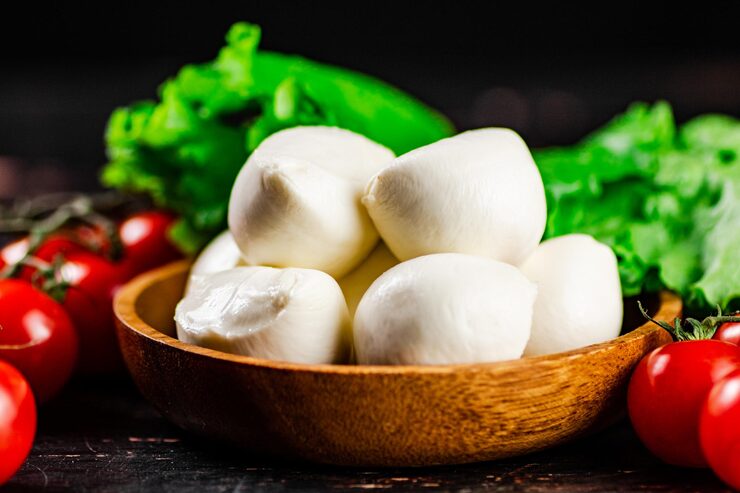
Mozzarella cheese is one of the most beloved cheeses around the world. Known for its soft, creamy texture and mild, slightly tangy flavor, it has found a permanent place in kitchens everywhere. Whether melted on a pizza, layered in a lasagna, or served fresh in a salad, mozzarella cheese adds a comforting and versatile touch to many dishes. Its popularity stems not only from its delicious taste but also from its ability to adapt to a wide range of recipes and culinary styles. Along with its flavor, mozzarella cheese offers nutritional benefits, providing a good source of protein and calcium, making it a favorite among both home cooks and professional chefs.
The History and Origins of Mozzarella Cheese
Mozzarella cheese has a long and rich history that dates back hundreds of years. Originally from southern Italy, this cheese was traditionally made from water buffalo milk, giving it a unique flavor and texture. Over time, cow’s milk became more commonly used, making mozzarella more widely available.
Traditional methods of making mozzarella involved stretching fresh curds by hand in hot water, a process that gave the cheese its characteristic soft and elastic texture. Today, modern production uses more automated methods, but the basic principles remain the same. Despite these changes, artisanal mozzarella still honors the traditional techniques, producing cheese with a richer taste and more delicate texture.
Mozzarella cheese is more than just food; it is a cultural symbol, especially in Italy. It is closely tied to Italian cuisine and is celebrated in dishes like pizza margherita and caprese salad. Its influence has spread globally, and now mozzarella cheese is enjoyed in a wide variety of culinary traditions.
Types of Mozzarella Cheese
Mozzarella cheese comes in several forms, each with its own unique characteristics and best uses.
1. Fresh Mozzarella (Fior di Latte)
Fresh mozzarella is soft, moist, and creamy, usually made from cow’s milk. It has a delicate flavor and a slightly elastic texture, making it perfect for salads, sandwiches, and dishes where it is eaten fresh.
2. Buffalo Mozzarella (Mozzarella di Bufala)
Made from water buffalo milk, this variety is richer and creamier than its cow’s milk counterpart. Buffalo mozzarella has a slightly tangy flavor and a soft, delicate texture that is highly prized in authentic Italian dishes.
3. Low-Moisture Mozzarella
This firmer mozzarella has less moisture, which gives it a longer shelf life. It is commonly used on pizzas and baked dishes because it melts well without releasing too much liquid.
4. Smoked Mozzarella (Scamorza)
Scamorza is a firmer mozzarella with a mild smoky flavor. It adds a unique taste to sandwiches, baked dishes, and pasta, making it a favorite for those who enjoy a slightly more robust cheese experience.
5. Bocconcini
Bocconcini are small, bite-sized mozzarella balls. Their soft, fresh texture makes them ideal for salads, appetizers, or simply drizzled with olive oil and herbs.
6. Treccia (Braided Mozzarella)
This type of mozzarella is formed into braids, offering a chewy texture and an attractive presentation. Treccia is often enjoyed on its own or in specialty dishes.
7. Mozzarella Cheese Sticks
Typically made from low-moisture mozzarella, these sticks are shaped for frying or baking. They are a popular snack and appetizer in many cuisines.
8. Mató Mozzarella (Regional/Artisan Variants)
Some regions produce artisan mozzarella with unique flavors, sometimes infused with herbs or spices. These varieties showcase local cheesemaking traditions and offer a distinctive taste experience.
Nutritional Profile of Mozzarella Cheese
Mozzarella cheese is not only delicious but also nutritious. It is a good source of protein, which is essential for muscle health and overall energy. It also provides calcium, an important mineral for strong bones and teeth. Compared to many other cheeses, mozzarella tends to be lower in fat, especially the fresh varieties, making it a healthier choice for regular consumption.
One of the advantages of mozzarella cheese is its adaptability to different diets. Low-fat versions are available for those watching their calorie intake, and lactose-intolerant individuals may enjoy certain types of mozzarella in moderation. Understanding the nutritional content of each type can help you make informed choices when including mozzarella in your meals.
How Mozzarella Cheese is Made?
The process of making mozzarella cheese begins with fresh milk. The milk is first heated and combined with cultures and rennet, which helps it coagulate into curds. The curds are then cut and gently heated in hot water, a step known as stretching, which gives mozzarella its characteristic elasticity. Once stretched, the cheese is shaped into balls, braids, or other forms, then cooled in water or brine to preserve freshness.
Artisanal methods focus on hand-stretching and careful shaping, resulting in cheese with a softer texture and richer flavor. Commercial production often uses machines to streamline the process, allowing mozzarella cheese to be made in larger quantities while maintaining a consistent quality. The freshness of mozzarella significantly affects its taste and texture, with fresh cheese being softer, more flavorful, and more enjoyable to eat.
Cooking and Serving Tips for Mozzarella Cheese
Mozzarella cheese is incredibly versatile in the kitchen. When cooking, it is important to consider the type you are using. Fresh mozzarella is best added toward the end of cooking to prevent it from releasing too much moisture, while low-moisture mozzarella is ideal for melting on pizza and baked dishes.
Slicing, shredding, or tearing mozzarella can influence both its presentation and melting quality. Pairing mozzarella with ingredients like tomatoes, basil, olive oil, and balsamic vinegar enhances its flavor, while combining it with meats, vegetables, or pasta creates hearty, satisfying meals. Proper storage is essential to maintain its freshness; mozzarella should be kept in its liquid or tightly wrapped to prevent drying out.
Common Mistakes to Avoid with Mozzarella Cheese
One common mistake is overheating fresh mozzarella, which can cause it to become rubbery or release excess moisture. Storing it improperly, such as leaving it uncovered in the fridge, can quickly reduce its quality. Another frequent error is using the wrong type of mozzarella for a specific dish, like using fresh mozzarella on a pizza that requires low-moisture cheese for optimal melting. Understanding these differences ensures that mozzarella cheese enhances your meals rather than detracting from them.
Creative Recipes Featuring Mozzarella Cheese
Mozzarella cheese shines in both classic and creative dishes. Traditional favorites include pizza, caprese salad, and lasagna, where its melting ability and creamy texture are key. For everyday meals, mozzarella can be added to sandwiches, omelets, and pasta dishes to create simple yet flavorful results.
International cuisines also offer inventive ways to use mozzarella. From stuffed pastries to cheesy casseroles and gourmet salads, mozzarella cheese can be adapted to countless recipes, providing endless inspiration for home cooks looking to add a touch of creamy indulgence to their meals.
Conclusion
Mozzarella cheese is a versatile and beloved ingredient that adds flavor, texture, and nutrition to countless dishes. From its origins in Italy to kitchens around the world, it has maintained its status as a staple cheese for both fresh and cooked applications. Exploring different types of mozzarella, understanding their unique qualities, and using them in various recipes can elevate everyday meals into something truly special. Whether enjoyed fresh, melted, or baked, mozzarella cheese continues to delight food lovers with its creamy, satisfying appeal.
FAQs
What is mozzarella cheese made from?
Mozzarella cheese is traditionally made from water buffalo milk, but cow’s milk is now more common, giving it a creamy, soft texture.
Can mozzarella cheese be eaten fresh?
Yes! Fresh mozzarella is best eaten fresh in salads, sandwiches, or on its own for a creamy taste.
Is mozzarella cheese healthy?
Mozzarella is a good source of protein and calcium. Low-fat and lactose-free versions are available for dietary needs.
How should I store mozzarella cheese?
Keep fresh mozzarella in its liquid or brine, tightly wrapped in the fridge. Low-moisture mozzarella can be stored in an airtight container.
What’s the difference between fresh and low-moisture mozzarella?
Fresh mozzarella is soft, high-moisture, and delicate, while low-moisture mozzarella is firmer, melts better, and is ideal for pizza and baked dishes.