Introduction
The mundial de clubes, known internationally as the FIFA Club World Cup, is one of the most significant competitions in modern football. It brings together top clubs from different continents and gives them the chance to compete on a global stage. Over the years, the tournament has gained attention not only for the level of talent it showcases but also for how it reflects the growth of football around the world.
What started as a small event has gradually evolved into a major highlight of international club football, attracting millions of viewers and shaping the reputation of winning teams. As football continues to expand globally, the mundial de clubes plays an increasingly important role in connecting leagues, cultures, and fanbases from every region.
The Evolution of the Mundial de Clubes Over the Years
When the mundial de clubes first appeared, it was a simple competition created to determine the best club in the world. Early versions of the tournament looked very different from what fans know today. The initial events were small, often featuring only a couple of teams and lacking the level of organization seen in modern editions.
As the years passed, FIFA began to reshape the tournament into a more structured global event. Additional teams were invited, more continents were represented, and rules were adjusted to ensure fairness and balance. The introduction of official continental champions helped give the competition credibility, while increasing television coverage brought the tournament into homes across the world. These changes transformed the mundial de clubes into a respected international trophy that many clubs now consider a key part of their legacy.
How the Tournament Format Works Today?
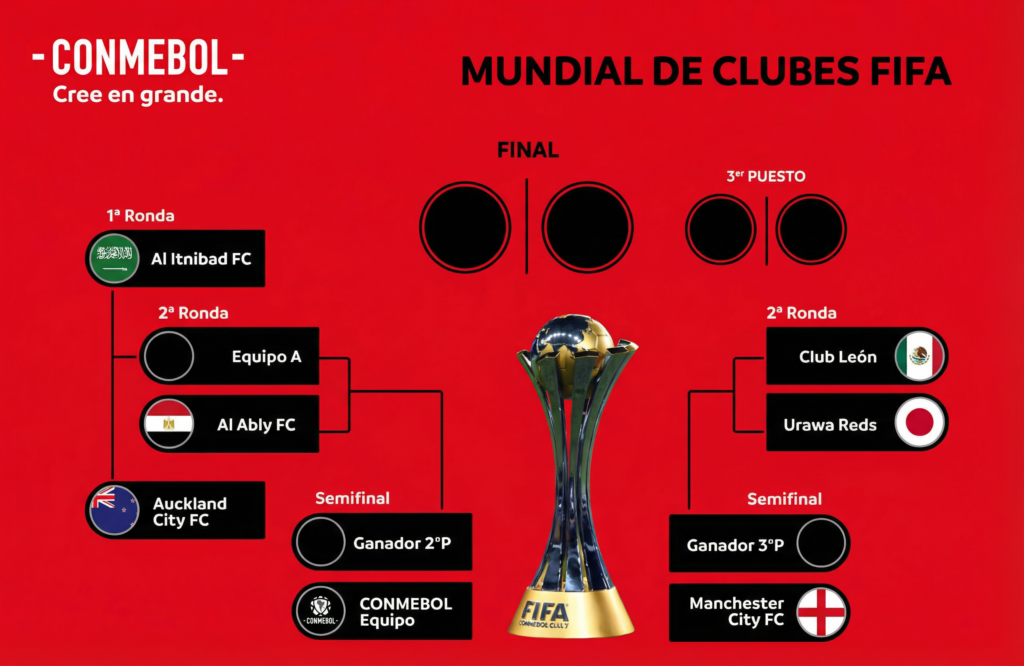
Today, the mundial de clubes operates under a clearer and more inclusive format designed to represent every major region of global football. The structure typically features continental champions from tournaments such as the UEFA Champions League, CONMEBOL Libertadores, AFC Champions League, CAF Champions League, and others. Depending on the edition, the host nation may also include a representative club.
The modern format is built to provide a fair competitive environment, giving each team a chance to advance through the stages. Matches usually progress from earlier rounds to semifinals and ultimately to the final, where the winner is crowned world champion. This structure allows fans to watch clubs from very different football cultures compete, creating unique matchups that rarely occur in domestic or continental competitions. The result is a tournament that feels dynamic, unpredictable, and exciting for a global audience.
Qualification Pathways for Teams Around the World
Qualification for the mundial de clubes depends on performance in each continent’s top club competitions. In Europe, the UEFA Champions League champion traditionally qualifies, while South America sends the winner of the Copa Libertadores. Other continental winners follow a similar pattern, making qualification a significant achievement in itself.
These pathways ensure that participating clubs arrive after proving their strength against the best teams in their region. This system also highlights the diversity of global football, as clubs from Asia, Africa, North America, and Oceania all have opportunities to earn a place. The qualification journey creates a sense of prestige, as every participating club enters the mundial de clubes knowing it has earned the right to compete on a world stage.
Key Changes Introduced in the New Mundial de Clubes Era
The latest era of the mundial de clubes has introduced several notable changes aimed at expanding the tournament’s influence. One of the biggest developments is the move toward a larger competition with more participating teams. This new approach allows more clubs—especially from underrepresented regions—to take part. The goal is to create a more global and competitive tournament while increasing fan engagement.
Other adjustments include updated scheduling, improved broadcasting coverage, and enhanced financial support for clubs. These changes reflect FIFA’s vision of transforming the mundial de clubes into a flagship global event. As football’s popularity continues to grow in regions outside traditional powerhouses, these updates help ensure the tournament remains relevant, competitive, and attractive to fans worldwide.
The Role of FIFA and Global Football Leagues in Shaping the Event
FIFA plays a central role in organizing the mundial de clubes, working closely with continental confederations and national leagues. Their collaboration is essential for aligning schedules, determining qualification rules, and selecting host countries. This coordination helps maintain balance between club commitments and international duties, which is especially important for top teams with busy calendars.
Football leagues around the world have also supported the development of the tournament by adjusting domestic schedules and promoting international competitions. As the sport becomes more globalized, these partnerships ensure that clubs can compete on multiple fronts without overwhelming players. This collective effort from FIFA and national leagues has allowed the mundial de clubes to grow into a stable, well-recognized event respected by clubs and fans alike.
Historic Moments That Defined the Mundial de Clubes
Throughout its history, the mundial de clubes has delivered memorable matches that have shaped the reputation of participating clubs. Classic finals, surprising upsets, and dramatic goals have all played a part in building the tournament’s identity. Some clubs have used their performance at the event to cement their status as global powerhouses, while others achieved historic firsts that remain sources of pride for their regions.
These defining moments contribute to the unique charm of the mundial de clubes. Fans enjoy seeing how styles of play from different continents clash on the field, often leading to unexpected outcomes. The international nature of the competition gives these matches a special intensity, as clubs know they are representing not just their cities or countries but entire football cultures.
How the Mundial de Clubes Impacts Clubs, Players, and Fans?
The mundial de clubes has a significant impact on everyone involved. For clubs, it offers a valuable chance to build international recognition, attract new supporters, and increase commercial opportunities. Players benefit from the global stage, where strong performances can elevate their careers and expose them to new audiences. Young players, in particular, often view the tournament as a rare opportunity to face elite opponents from other continents.
Fans also experience the benefits of the event. It gives them the chance to watch matchups they would never see in domestic leagues, allowing them to appreciate styles of play from around the world. Supporters often follow the tournament with pride as their club competes against top international teams. The atmosphere, both in stadiums and online, reflects the enthusiasm that the mundial de clubes inspires among football communities.
Broadcast, Scheduling, and Where the Tournament Is Usually Played
Broadcast coverage of the mundial de clubes has expanded significantly, helping the tournament reach audiences in almost every corner of the world. Matches are typically scheduled to fit a global viewing audience, with careful attention to time zones and accessibility. This ensures that fans from different continents can enjoy the tournament without major inconvenience.
The location of the mundial de clubes varies by edition. Historically, certain countries have hosted multiple times due to their infrastructure, climate, and ability to organize large sporting events. New regions are also considered as potential hosts as FIFA aims to expand the tournament’s global footprint. The goal is to provide a welcoming environment for players and fans while maintaining high standards for stadiums and organization.
What to Expect in the Upcoming Editions of the Mundial de Clubes?
Upcoming editions of the mundial de clubes promise to be even more ambitious as the tournament moves toward a larger, more inclusive format. Fans can expect more teams, additional matches, and increased variety in playing styles. These changes aim to bring a fresh level of excitement while giving more clubs the chance to compete internationally.
There is also a growing focus on making the event more accessible to viewers, with improved broadcasting partnerships and digital platforms. As the tournament evolves, it is likely to attract even greater global attention. Clubs, players, and supporters can look forward to a future where the mundial de clubes becomes one of the most important annual or semi-annual football events worldwide.
Conclusion
The mundial de clubes has grown from a small, experimental competition into a major force in global football. Its evolution reflects the sport’s expanding international reach and the desire to showcase the best clubs from every continent. As the tournament continues to develop, it offers new opportunities for clubs to shine, for players to make their mark, and for fans to enjoy world-class football beyond traditional league borders. With new formats, broader participation, and a rising global audience, the future of the mundial de clubes looks bright, promising even more excitement and global unity through the sport.
FAQs
What is the mundial de clubes?
It is FIFA’s official club tournament where champions from every continent compete to determine the world’s best football club.
How do teams qualify for the mundial de clubes?
Clubs qualify by winning their continent’s top tournament, such as the UEFA Champions League or Copa Libertadores.
How often does the mundial de clubes take place?
Traditionally held yearly, but newer editions are expanding and may follow a different multi-year cycle.
Why is the mundial de clubes important?
Because it’s the only tournament where clubs from different continents directly compete for a global title.
Which teams usually perform well?
Historically, European and South American clubs dominate, but teams from Asia, Africa, and North America continue to grow stronger.