Choosing the right underwear might seem like a small decision, but it can have a big impact on your daily comfort, skin health, and even your overall lifestyle. From lounging at home to working out or traveling, the fabric you choose affects how your body feels throughout the day. This brings us to a common debate: nylon underwear vs cotton tidbits. Each has unique qualities, and understanding these can help you make a choice that works best for your needs. In this article, we’ll explore the differences between cotton and nylon underwear, highlighting the practical tidbits you need to know for comfort, performance, and skin health.
The Basics of Cotton and Nylon Underwear
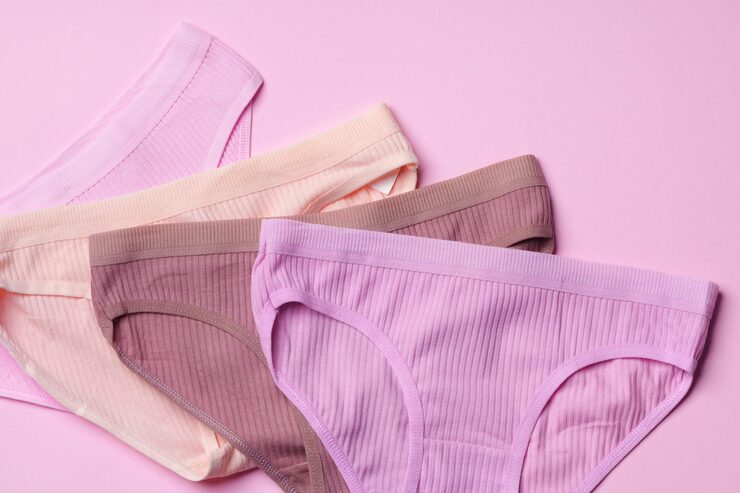
When it comes to underwear, the fabric is one of the most important factors to consider. Cotton underwear is made from natural fibers harvested from cotton plants. Its main appeal lies in its softness and breathability. Cotton naturally allows air to circulate, helping to keep skin cool and reducing the risk of irritation. For people with sensitive skin, cotton is often recommended because it is hypoallergenic and generally gentle, even with extended wear. Cotton underwear also provides a relaxed fit that makes it comfortable for lounging or sleeping.
On the other hand, nylon underwear is made from synthetic fibers. Nylon is known for its strength, stretch, and smooth texture. It is highly durable and often resistant to tearing or losing shape over time. Nylon underwear is particularly popular in athletic or travel situations because it dries quickly, stretches to fit the body, and can provide a sleek, form-fitting appearance under clothing. While it may not be as naturally breathable as cotton, nylon’s moisture-wicking ability keeps sweat away from the skin, which can prevent discomfort during exercise or long periods of wear.
Modern underwear often blends cotton with synthetics like spandex or nylon. These hybrid fabrics aim to combine the comfort and skin-friendly qualities of cotton with the stretch, durability, and moisture management of synthetic fibers. For example, a cotton-nylon blend might feature a cotton gusset for skin health, while the nylon-spandex body offers shape retention and a snug fit. Understanding these basics sets the stage for comparing how each material performs in real-world situations.
Nylon vs Cotton Underwear
| Feature | Cotton (Natural) | Nylon (Synthetic) |
| Best For | Everyday wear, sensitive skin, sleep | Workouts, travel, tight clothing |
| Breathability | High – keeps skin cool and dry | Moderate – traps heat, less airflow |
| Moisture Handling | Absorbs sweat, can feel damp | Wicks moisture, dries quickly |
| Fit & Appearance | Relaxed, may show panty lines | Sleek, snug, seamless under clothes |
| Durability | Moderate – prone to shrinking/fading | High – resists tearing, holds shape |
| Maintenance | Wash carefully, may pill/fade | Easy care, dries fast, color lasts longer |
Breathability and Skin Health Considerations
One of the key differences between cotton and nylon underwear lies in breathability and skin health. Cotton fibers allow air to pass freely, which helps prevent the buildup of heat and moisture that can irritate skin or promote bacterial growth. This makes cotton a preferred choice for everyday wear, especially for people prone to rashes or infections. Medical professionals often recommend cotton underwear because it maintains a healthy pH balance and reduces the warm, damp environment where bacteria thrive.
Nylon underwear, being synthetic, does not allow as much airflow as cotton. This means it can trap heat and moisture if worn for extended periods, which might cause skin discomfort or chafing for some individuals. However, nylon has an advantage when it comes to sweat management. Its moisture-wicking properties pull sweat away from the skin to the fabric’s surface, allowing it to evaporate faster. This makes nylon suitable for workouts, travel, or situations where staying dry is a priority, even if it isn’t as breathable as cotton.
Choosing between cotton and nylon ultimately depends on your skin sensitivity and activity level. If you have delicate skin or prefer maximum ventilation, cotton is often the safer bet. If you need performance-oriented underwear that stays dry during movement, nylon can be a practical option.
Moisture Management and Comfort During Activities
Another critical factor in the nylon underwear vs cotton tidbits debate is how each fabric handles moisture. Cotton is highly absorbent and can hold up to 27 times its weight in water. While this means it’s great at soaking up sweat, it also means that cotton stays damp longer, which can feel heavy or sticky during intense physical activity. Wet cotton fabric can lead to chafing or discomfort, especially in areas where skin rubs against fabric.
Nylon, by contrast, is designed to wick moisture away from the skin. Sweat moves to the surface of the fabric and dries much faster than cotton. This quick-drying property makes nylon underwear ideal for workouts, hot climates, or travel where you need to stay comfortable on the move. It’s worth noting that some hybrid fabrics, such as cotton-nylon blends, attempt to balance absorbency with moisture-wicking, offering a compromise that works for both daily wear and physical activity.
In short, if your priority is staying dry during movement, nylon or a hybrid blend is preferable. If you’re lounging, sleeping, or going about low-intensity activities, cotton’s gentle, absorbent nature provides a cozy and healthy option.
Fit, Style, and Appearance Under Clothing
How underwear fits and looks under clothing is another key consideration when comparing nylon underwear vs cotton tidbits. Cotton underwear typically has a relaxed fit that prioritizes comfort over sleekness. While this is great for daily wear, it may show visible panty lines under tight pants or skirts.
Nylon underwear, on the other hand, is often designed to be form-fitting and smooth. It stretches to hug the body, creating a sleek appearance under tight or fitted clothing. Nylon’s elasticity also helps maintain its shape over time, preventing sagging or bunching that can occur with cotton. For style-conscious wearers or those wearing activewear, nylon underwear can offer a visually polished look while still providing functional support.
Hybrids again come into play here, combining the stretch and sleek fit of synthetics with the softness and breathability of cotton. For example, a nylon-spandex blend with a cotton gusset allows for a smooth silhouette under clothes while keeping the areas that touch skin comfortable and healthy.
Durability, Maintenance, and Longevity
When considering nylon underwear vs cotton tidbits, maintenance and durability are important practical factors. Cotton, being a natural fiber, tends to shrink over time, fade in color, and develop pilling with repeated washes. While cotton can last for years with proper care, it generally requires more attention to maintain its shape and appearance.
Nylon, in contrast, is highly durable and resistant to tearing or stretching out. It retains vibrant colors longer, resists wrinkles, and requires less maintenance than cotton. Nylon’s resilience makes it ideal for frequent wear, travel, or active lifestyles. Washing nylon is typically easier, and it dries faster than cotton, which is convenient for people who prefer low-maintenance garments.
To extend the life of any underwear, it’s important to follow care instructions, such as using gentle detergents, avoiding high heat when drying, and washing inside-out to reduce friction. For hybrid fabrics, paying attention to both cotton and synthetic care guidelines ensures longevity.
Hybrid Solutions: Best of Both Worlds
The modern solution to the nylon underwear vs cotton tidbits debate is the rise of hybrid fabrics. Many brands now offer blends like cotton-spandex or nylon-cotton, combining the advantages of both materials. These hybrids are designed to offer comfort, skin health, and performance in a single garment.
For instance, a cotton-nylon blend may feature a soft cotton gusset to protect sensitive areas, while the nylon-spandex body provides stretch, shape retention, and moisture-wicking properties. These hybrids allow wearers to enjoy the breathable, hypoallergenic benefits of cotton without sacrificing the sleek look, durability, and moisture control of nylon.
Hybrid solutions are particularly appealing for active individuals who still want comfort for everyday wear, or for anyone seeking a versatile underwear option that works in multiple situations.
Conclusion
Choosing the right underwear ultimately comes down to understanding your lifestyle, comfort needs, and skin sensitivity. Cotton underwear is ideal for everyday wear, lounging, and sleep, thanks to its breathability, softness, and skin-friendly nature. Nylon underwear shines in performance situations, offering moisture-wicking, durability, and a sleek appearance under clothing. Hybrid fabrics offer the best of both worlds, combining comfort, skin health, and functionality in one.
By keeping these nylon underwear vs cotton tidbits in mind, you can make informed decisions that fit your body, your daily activities, and your personal comfort preferences. Whether you prioritize softness, moisture control, or style under tight clothing, understanding these differences ensures you’ll stay comfortable, healthy, and confident all day long.
FAQs
Is cotton or nylon better for sensitive skin?
Cotton is generally better for sensitive skin because it’s breathable, hypoallergenic, and reduces irritation.
Which underwear is best for workouts?
Nylon or nylon blends are ideal for exercise as they wick sweat, dry fast, and stay snug during movement.
Can I wear nylon underwear every day?
Yes, but cotton or hybrids may be better for all-day comfort, especially if you have sensitive skin.
What is a hybrid underwear option?
Hybrid underwear blends cotton with nylon or spandex to offer softness, breathability, stretch, and durability in one garment.
How do I maintain nylon and cotton underwear?
Wash cotton in gentle cycles, avoid high heat; nylon dries quickly, keeps color, and is low-maintenance.