
Introduction
Occlusal adjustment is a dental procedure designed to improve the way your teeth fit together when you bite. While it may sound technical, it’s actually a straightforward process that can make a noticeable difference in your comfort and overall oral health. Many people don’t realize that the alignment of their teeth affects more than just their smile. A misaligned bite can lead to jaw discomfort, uneven tooth wear, and even headaches.
Bite alignment matters because your teeth, jaw, and muscles work together every time you chew, speak, or even yawn. When this system is out of balance, it can cause strain and wear over time. Occlusal adjustment addresses these issues by making small, precise changes to the surfaces of your teeth, helping them come together more naturally.
People who might benefit from occlusal adjustment include those with persistent jaw pain, uneven tooth wear, or difficulties chewing. It can also be helpful for patients recovering from certain dental procedures, such as crowns or fillings, that have slightly altered the bite. Understanding how this treatment works and what to expect can help you make an informed decision for your dental health.
Understanding Occlusal Adjustment
At its core, an occlusal adjustment is about ensuring that your teeth meet correctly when your mouth closes. Dentists may adjust the height or shape of certain teeth to create a more balanced bite. Think of it as fine-tuning the way your teeth fit together, similar to adjusting the gears in a machine so that everything moves smoothly.
Not every adjustment is the same. Minor adjustments may involve subtle reshaping of a tooth to remove a high spot that causes pressure. Major adjustments are more extensive and may include correcting significant bite misalignment that affects multiple teeth or the jaw joint. The dentist’s goal is always to make your bite feel comfortable and natural without compromising the health of your teeth.
Common dental situations that require occlusal adjustment include teeth grinding (bruxism), misaligned dental restorations like crowns or fillings, and irregular wear patterns on teeth. By addressing these issues, occlusal adjustment can reduce discomfort and prevent further dental problems down the line.
The Science Behind Bite Alignment
Your teeth, jaw, and facial muscles work together as a system every time you use your mouth. When your bite is properly aligned, the forces of chewing are distributed evenly across your teeth, which reduces stress on your jaw muscles and joints.
When the bite is misaligned, certain teeth may bear more pressure than others, leading to uneven wear or even cracks and fractures over time. Misalignment can also affect the temporomandibular joint (TMJ), resulting in pain, headaches, or difficulty opening your mouth fully.
Occlusal adjustment helps correct these imbalances by reshaping teeth in a precise manner so that your bite distributes forces more evenly. This can reduce strain on muscles and joints, prevent further tooth damage, and improve your overall oral function.
Step-by-Step Process of an Occlusal Adjustment
The process begins with a detailed examination of your teeth and bite. Dentists may use visual inspection, X-rays, or bite-mapping techniques to identify high spots or areas of excessive pressure. This initial analysis ensures that the adjustment targets the right teeth and provides lasting results.
Once the dentist has a clear understanding of your bite, they use specialized tools to carefully reshape the surfaces of your teeth. This can involve removing small amounts of enamel or polishing areas to create a smooth contact between teeth. The process is gradual and controlled, allowing the dentist to check your bite at multiple stages to ensure optimal results.
Patients can expect the procedure to be relatively quick and painless, often completed in a single visit for minor adjustments. Major adjustments may require multiple appointments. Some mild sensitivity or soreness may occur afterward, but these effects are typically temporary and resolve as your bite adapts.
Benefits of Occlusal Adjustment
One of the most noticeable benefits of occlusal adjustment is relief from jaw pain and tension headaches caused by uneven bite forces. By improving how your teeth come together, the strain on muscles and joints is reduced, which can lead to significant comfort improvements.
Occlusal adjustment also enhances chewing efficiency. A balanced bite allows teeth to work together more effectively, reducing wear and making everyday activities like eating more comfortable. Over time, this can prevent further dental damage, such as cracked teeth or excessive enamel erosion.
In addition, maintaining a proper bite supports the long-term health of your teeth and gums. By addressing minor issues early through occlusal adjustment, you may avoid more complex treatments in the future, helping to preserve your natural teeth for longer.
Risks, Considerations, and When to Avoid It
While occlusal adjustment is generally safe, there are some potential risks to consider. Over-adjustment can cause sensitivity, discomfort, or changes in bite function. In rare cases, removing too much enamel can lead to complications.
Certain patients may not be suitable candidates for occlusal adjustment. For example, those with severe gum disease, extensive tooth decay, or unstable dental restorations may require other treatments first. Dentists carefully evaluate each patient to ensure that occlusal adjustment is appropriate and beneficial.
A skilled dentist will balance the need for correction with the preservation of tooth structure, ensuring that the procedure provides relief without introducing new problems.
Maintaining Results After Occlusal Adjustment
Maintaining the benefits of an occlusal adjustment involves simple at-home care and awareness of your bite. Paying attention to habits like teeth grinding, chewing on hard objects, or nail-biting can help prolong the results.
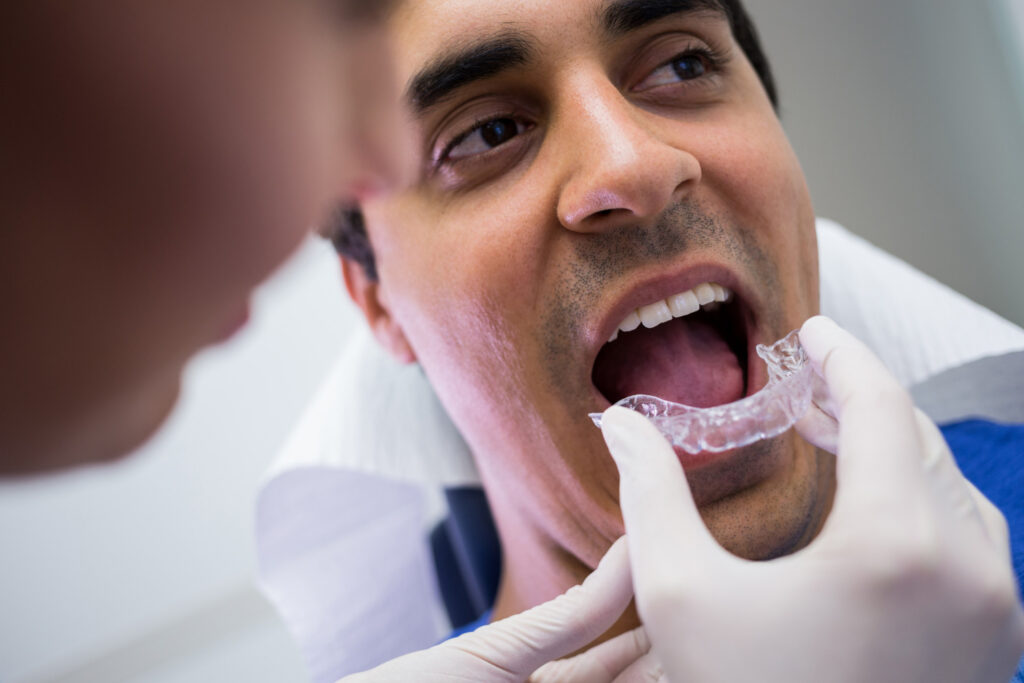
Regular dental check-ups are also important. Your dentist can monitor your bite over time and make minor adjustments if necessary to maintain optimal alignment. Following professional advice on oral hygiene, wearing protective night guards if needed, and addressing bite-related habits are all part of keeping your teeth in balance.
Lifestyle choices, such as managing stress to reduce teeth grinding and eating a balanced diet to support dental health, can further support the long-term success of an occlusal adjustment.
Conclusion
Occlusal adjustment is a simple yet highly effective way to improve bite alignment, relieve discomfort, and protect your teeth from long-term damage. By understanding how your teeth, jaw, and muscles work together, you can appreciate the role of this procedure in maintaining oral health.
If you experience jaw pain, uneven tooth wear, or difficulty chewing, discussing occlusal adjustment with a dental professional can provide valuable insights and relief. Taking a proactive approach to your bite health not only addresses current issues but also helps prevent future problems, keeping your smile healthy and comfortable for years to come.
FAQs
Is occlusal adjustment painful?
No, most patients feel little to no discomfort. Minor sensitivity may occur but usually fades within a few days.
How long does an occlusal adjustment take?
Minor adjustments can be done in a single visit, while major adjustments may require multiple sessions.
Who should consider occlusal adjustment?
People with jaw pain, uneven tooth wear, difficulty chewing, or teeth grinding may benefit.
Can occlusal adjustment prevent future dental problems?
Yes, it can reduce tooth wear, prevent cracks, and protect jaw joints over time.
Are there risks involved?
Risks are minimal when performed by a skilled dentist. Over-adjustment or sensitivity is possible but rare.