
Introduction
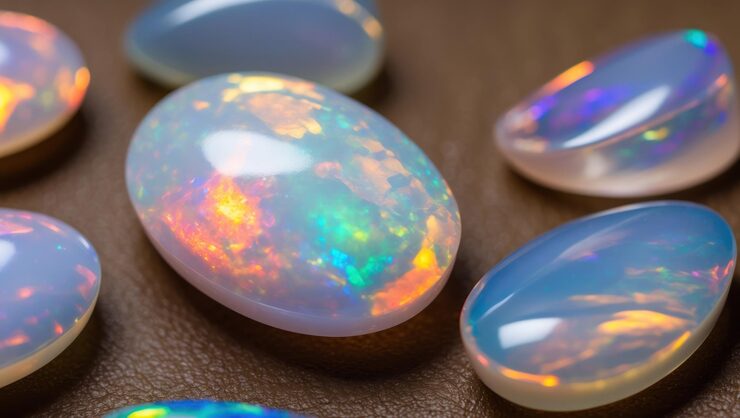
The opal gemstone has long captured the imagination of people around the world. Known for its mesmerizing play-of-color, an opal can display a rainbow of hues that shift with the light, making each stone truly unique. This captivating effect is unlike anything seen in other gemstones, giving opals a magical and almost ethereal quality. Beyond their visual beauty, opals carry a rich history, deep cultural significance, and a mystique that has inspired myths, legends, and artistic expression for centuries.
Opals are admired not only by collectors and gem enthusiasts but also by jewelry lovers seeking a distinctive touch in their pieces. Their delicate charm and vibrant appearance make them versatile for both casual and formal wear. In this article, we will explore the origins, types, cultural meanings, care tips, and uses of opal gemstones, helping readers understand why these stones continue to enchant people across generations.
The Origins and History of Opal Gemstones
Opals are formed from a combination of silica and water over millions of years. They develop when water carrying silica seeps into cracks in rocks and slowly solidifies. This process results in a gel-like structure that eventually hardens into the opals we recognize today. The unique internal structure of opals is what creates the famous play-of-color, giving them a distinct appearance among gemstones.
Historically, opals have held a special place in many cultures. In ancient Rome, opals were considered a symbol of hope and purity, and they were highly valued for their fiery colors. The Greeks believed opals gave their owners the gift of prophecy and protection from disease, while in the Middle Ages, opals were thought to bring good luck and possess magical properties.
Throughout history, several opals have gained fame for their size, color, and legendary stories. For instance, the “Olympic Australis,” one of the largest opals ever discovered, showcases a dazzling array of colors and is considered a national treasure. Such examples highlight not only the rarity of fine opals but also their enduring allure through time.
Understanding Opal Types and Colors
Opals are incredibly diverse, with several types that each have unique characteristics. Some of the most popular varieties include black opals, known for their deep background that makes colors stand out vividly; white opals, which offer a softer, more subtle color play; fire opals, often orange or red with warm hues; boulder opals, which grow naturally within ironstone; and crystal opals, prized for their transparent clarity and brilliant flashes of color.
The play-of-color is the hallmark of opals, caused by the diffraction of light through the stone’s silica structure. This phenomenon can display flashes of blue, green, red, and nearly every color of the rainbow. The intensity and pattern of this color play often determine the stone’s value. For example, stones that exhibit bright, multicolored patterns are generally more sought after.
Identifying authentic opals requires careful observation. Genuine opals often have a natural irregularity in color patterns and surface texture, while synthetic or imitation stones may appear overly uniform or glossy. Consulting a professional jeweler can provide assurance when purchasing rare or valuable opals.
Symbolism and Cultural Meanings
Opals carry a wide array of symbolic meanings across different cultures and eras. In folklore and myths, opals have often been associated with mystical properties, believed to enhance creativity, bring protection, or even predict the future. Many cultures have also considered opals to be lucky charms that attract positive energy.
As a birthstone for October, opals are celebrated for their connection to personal growth, inspiration, and emotional balance. In astrology, they are sometimes linked with zodiac signs such as Libra, enhancing intuition and self-expression. Beyond traditional symbolism, modern interpretations appreciate opals as symbols of individuality and creativity, reflecting the uniqueness of each stone’s color patterns.
Caring for Your Opal Gemstone
While opals are stunning, they are relatively delicate compared to other gemstones. Caring for an opal properly ensures that its colors remain vibrant and that it lasts for generations. Cleaning opals should be done gently, using mild soap and lukewarm water, avoiding harsh chemicals or ultrasonic cleaners that can damage the stone.
Storing opals requires attention as well. They are prone to drying out, so it is advisable to keep them in a slightly humid environment or wrapped in a soft cloth to prevent scratches. Sudden temperature changes should be avoided, as extreme heat or cold can cause cracking. For larger or antique opals, professional maintenance may be necessary to preserve their natural beauty and structural integrity.
Using Opals in Jewelry and Design
Opals have long been a favorite choice in jewelry, from delicate rings to statement necklaces and earrings. Their versatility allows them to complement both classic and modern designs, making them suitable for a wide range of personal styles.
Recent trends show opals being paired with other gemstones to create visually striking combinations. For instance, opals set alongside diamonds or sapphires can highlight their play-of-color even more vividly. Designers often use opals as focal points in jewelry, ensuring that their unique colors are showcased to maximum effect.
Opals are also featured in custom pieces, allowing wearers to express individuality and creativity. Their ability to reflect light in countless ways makes them an ideal choice for those seeking jewelry with personality and depth.
Investing in Opal Gemstones
For collectors and investors, opals offer a unique opportunity due to their rarity and beauty. Several factors influence their value, including color intensity, pattern, clarity, size, and origin. Black opals from Australia, for example, are among the most valuable due to their vibrant play-of-color and scarcity.
Assessing opal quality involves examining the brightness and uniformity of color, the presence of cracks or imperfections, and the stone’s overall appeal. Working with reputable dealers and obtaining certifications can provide assurance when investing in high-quality opals.
Rare opals are not just investment pieces but also treasures that can be passed down through generations. Collecting responsibly and understanding the market ensures that opals maintain their significance and value over time.
Conclusion
Opal gemstones are more than just beautiful stones; they are treasures that combine natural wonder, historical richness, and cultural significance. Their mesmerizing colors, unique patterns, and fascinating origins make them a gemstone that captivates both enthusiasts and casual admirers alike.
Whether admired for personal enjoyment, incorporated into jewelry, or collected as valuable stones, opals require care and appreciation to maintain their allure. Their versatility and timeless beauty make them suitable for everyday wear while also holding a special place in collections and history.
Ultimately, opals remind us of nature’s artistry, offering a glimpse of magic in every stone. For those who encounter an opal, it is a reminder that beauty, creativity, and wonder can be found in the smallest of treasures.
FAQs
What makes opal gemstones unique?
Opals are unique for their play-of-color, which creates flashes of rainbow hues that shift depending on the light and viewing angle.
How can I tell if an opal is real?
Genuine opals show natural, irregular color patterns. Synthetic opals often look overly uniform and too glossy. Consulting a jeweler helps confirm authenticity.
How should I care for my opal gemstone?
Clean opals gently with mild soap and water, avoid heat and chemicals, and store them in soft cloth or slightly humid conditions to prevent cracks.
Can opals be used in everyday jewelry?
Yes, but delicate opals should be worn carefully. Rings and bracelets may require extra protection, while necklaces and earrings are safer for daily wear.
Are opals a good investment?
High-quality opals, especially black or rare varieties, can retain or increase in value. Always buy from reputable dealers and check authenticity.