
Introduction
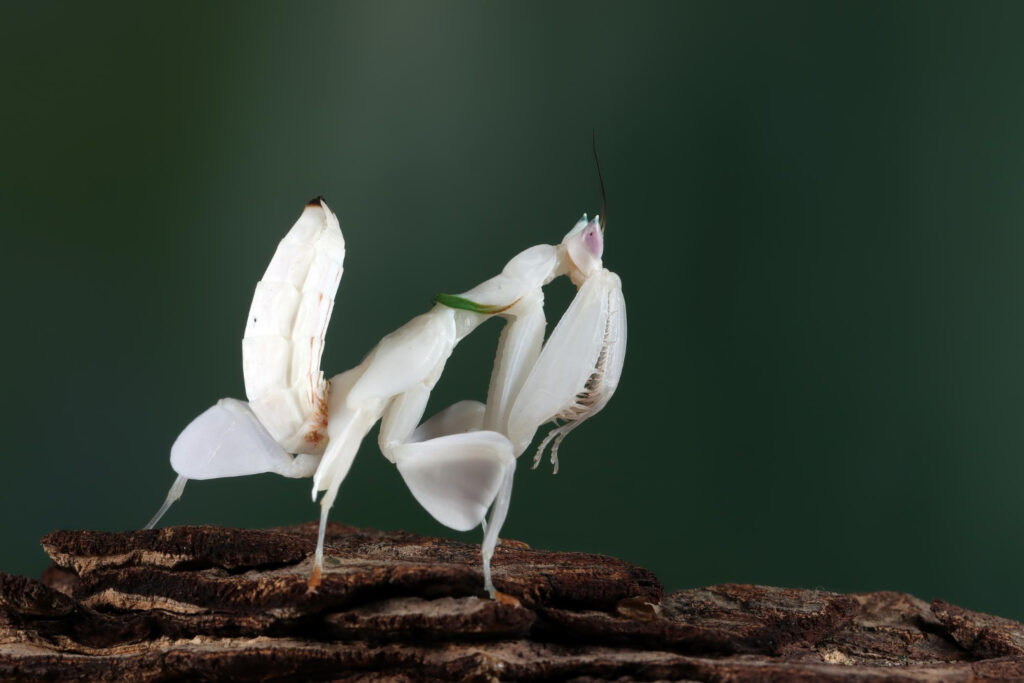
The orchid mantis is often described as one of nature’s most convincing illusions. At first glance, it looks less like an insect and more like a delicate flower floating in the air. This unique appearance is not a coincidence. The orchid mantis has evolved to imitate blossoms so closely that even experienced observers can mistake it for part of a plant. This remarkable ability has made it a favorite subject for scientists studying evolution, photographers capturing wildlife, and insect enthusiasts who admire unusual species.
Beyond its beauty, the orchid mantis plays an important role in its ecosystem. It is a skilled hunter that uses deception rather than speed or strength to catch food. In recent years, it has also become popular among advanced pet keepers, adding to its reputation as one of the most fascinating mantis species in the world. Understanding the orchid mantis means looking at where it lives, how it hunts, and what makes it so different from other insects.
Natural Range and Rainforest Habitat
The orchid mantis is native to the tropical rainforests of Southeast Asia, where warm temperatures and high humidity create ideal living conditions. It is most commonly found in countries such as Malaysia, Indonesia, and Thailand. These regions are rich in flowering plants, which is essential for the mantis’s survival strategy.
Dense vegetation, filtered sunlight, and constant moisture shape the way the orchid mantis lives. It often stays near flowering shrubs or vines, where pollinating insects are active throughout the day. The rainforest provides not only food but also protection, allowing the mantis to blend in seamlessly with its surroundings. Seasonal rains and stable temperatures help maintain the delicate balance this species depends on.
Flower Mimicry and Hunting Strategy
What truly sets the orchid mantis apart is its use of aggressive mimicry. Unlike insects that hide to avoid predators, this mantis disguises itself to attract prey. Its body shape and coloring closely resemble flower petals, creating the illusion of a harmless blossom. Insects that normally visit flowers for nectar are drawn in, unaware of the danger.
This strategy is extremely effective. Studies have shown that pollinators may actually prefer the orchid mantis over real flowers, making it a highly successful hunter. Instead of chasing prey, the mantis waits patiently, using its appearance as a lure. When an insect comes close enough, it strikes with incredible speed and accuracy. This method allows the orchid mantis to conserve energy while still feeding regularly.
Physical Appearance and Color Variation
The orchid mantis is known for its striking appearance, which looks more decorative than functional at first glance. Its body is usually white or pale cream, with soft shades of pink or purple along the legs and abdomen. These colors closely resemble orchid petals, giving the mantis its name. The four hind legs are flattened and shaped like petals, enhancing the floral illusion.
Color variation can occur depending on age, environment, and humidity levels. While it cannot change color instantly like a chameleon, the orchid mantis can gradually shift tones over time. This slow adaptation helps it match nearby flowers more closely, improving its camouflage and hunting success. The combination of shape and color makes it one of the most visually unique insects on the planet.
Size Differences Between Males and Females
One of the most noticeable traits of the orchid mantis is the extreme size difference between males and females. Females are much larger and more robust, often reaching lengths of 6 to 7 centimeters. Males, on the other hand, are significantly smaller and slimmer, usually growing to only about 2.5 centimeters.
This size difference affects behavior and lifespan. Larger females can capture bigger prey and store more energy, which supports egg production. Males are more active and mobile, spending much of their short adult life searching for mates. Their smaller size allows them to move quickly but also makes them more vulnerable to predators and environmental stress.
Diet and Feeding Behavior in the Wild
In the wild, the orchid mantis feeds mainly on flying insects that visit flowers. Bees, butterflies, moths, and flies make up the majority of its diet. These insects are attracted by the mantis’s appearance and movement, mistaking it for a real flower. Once prey is within reach, the mantis uses its powerful front legs to capture and hold it.
Occasionally, larger individuals may catch prey bigger than expected, including small reptiles or other insects of similar size. This behavior is rare but shows how adaptable the orchid mantis can be. Its feeding habits are closely tied to its environment, relying on areas with high insect activity to survive.
Movement, Posture, and Behavioral Traits
The orchid mantis does not remain completely still while hunting. Instead, it often uses a gentle swaying motion that mimics a flower moving in the breeze. This subtle movement adds to the illusion and makes it appear more natural to passing insects. The mantis may also spread its legs slightly, enhancing its petal-like shape.
Another interesting behavior is its ability to glide short distances. While it cannot truly fly, it can control its descent when jumping or falling, using its legs and wings to slow down. These movements help it reposition itself among plants and avoid danger. Overall, its behavior is calm, deliberate, and perfectly suited to its deceptive lifestyle.
Life Cycle and Development Stages
Like other mantis species, the orchid mantis goes through several stages of development. It begins life as a nymph, hatching from an egg case laid by the female. These tiny nymphs already resemble miniature versions of adults, though their colors may be less vibrant at first.
As the mantis grows, it sheds its outer skin in a process called molting. Each molt brings changes in size, color, and detail. After several molts, the mantis reaches adulthood and develops fully formed wings. This gradual development allows it to adapt to its environment at each stage of life, increasing its chances of survival.
Lifespan and Survival Factors
The orchid mantis has a relatively short lifespan compared to many other animals. Females typically live for about eight to nine months, while males often survive for only five to six months. Lifespan is influenced by factors such as temperature, humidity, food availability, and stress.
In the wild, predators, weather conditions, and competition for food all affect survival. In captivity, careful management of environmental conditions can help extend lifespan slightly, especially for females. Even so, the orchid mantis remains a short-lived species, making each stage of its life particularly valuable to observe.
Orchid Mantis as a Pet Species
The orchid mantis has become popular among experienced insect keepers due to its beauty and unique behavior. However, it is not considered an easy pet. Its specific environmental needs and sensitivity to changes make it better suited for those with prior experience keeping mantises or other invertebrates.
Many people are drawn to the orchid mantis because it offers a chance to observe complex behaviors up close. Watching its hunting technique and gradual color changes can be both educational and rewarding. Still, responsible ownership requires careful planning and a strong understanding of its needs.
Enclosure Setup and Environmental Requirements
A proper enclosure is essential for keeping an orchid mantis healthy. Vertical space is especially important, as the mantis needs room to climb and molt safely. Enclosures should provide good airflow while maintaining high humidity levels, usually between 60 and 80 percent.
Temperature also plays a key role. Warm daytime temperatures help support digestion, growth, and activity. Stable conditions that mimic a tropical environment reduce stress and lower the risk of health problems. Natural branches and artificial plants can be added to create climbing surfaces and resting spots.
Feeding and Care in Captivity
Feeding an orchid mantis in captivity requires careful attention. Live insects such as flies or small moths are commonly used, as they encourage natural hunting behavior. Feeding frequency depends on age and size, with younger mantises needing smaller meals more often.
Cleanliness is another important aspect of care. Uneaten prey should be removed to prevent stress or injury. Maintaining proper humidity through light misting helps support healthy molts and overall well-being. With consistent care, captive orchid mantises can thrive and display their full range of natural behaviors.
Common Challenges and Misconceptions
One common misconception is that the orchid mantis is fragile because of its delicate appearance. While it does require careful handling, it is not unusually weak for a mantis species. Another misunderstanding is that it can safely be handled frequently, which is not recommended. Excessive handling can cause stress and injury.
New keepers sometimes underestimate how important humidity and temperature control are. Sudden changes can lead to failed molts or shortened lifespan. Understanding these challenges ahead of time helps prevent mistakes and ensures better outcomes for both the mantis and its keeper.
Conservation Status and Ethical Considerations
At present, the orchid mantis is not considered endangered, but habitat loss and overcollection remain concerns in some areas. Rainforest destruction reduces the availability of suitable environments, while unregulated trade can impact local populations.
Ethical ownership involves sourcing mantises responsibly and supporting breeders who follow sustainable practices. Protecting natural habitats and respecting wildlife regulations are key steps in ensuring that this remarkable species continues to thrive in the wild.
Conclusion
The orchid mantis stands as one of the most extraordinary examples of adaptation in the insect world. Its ability to mimic flowers, attract prey, and survive in complex rainforest environments makes it a subject of endless fascination. Whether admired in the wild or cared for responsibly in captivity, the orchid mantis offers a unique window into the creativity of nature. By understanding its behavior, needs, and challenges, we can better appreciate why this species remains one of the most remarkable insects on Earth.
FAQs
What makes the orchid mantis so unique?
Its flower-like appearance and swaying movement let it lure insects for hunting, a rare case of aggressive mimicry in nature.
Can I keep an orchid mantis as a pet?
Yes, but only experienced insect keepers should try, as it needs high humidity, proper temperature, and live prey.
How long does an orchid mantis live?
Females live about 8–9 months, and males about 5–6 months, both depending on environment and care.
What do orchid mantises eat?
They primarily hunt flying insects like bees, butterflies, and flies, though larger females can sometimes catch small lizards.
Are orchid mantises endangered?
Not currently, but habitat loss and overcollection can affect wild populations, so ethical sourcing is important.