Introduction
Nestled in the heart of Italy’s Veneto region, Padova is a city that blends history, culture, and everyday life in a way few places can. Known for its rich artistic heritage, centuries-old architecture, and vibrant modern atmosphere, Padova draws visitors who are curious to explore both its iconic landmarks and hidden corners. From medieval streets and impressive basilicas to lively squares and scenic gardens, this city offers a unique glimpse into Italian culture. Whether you are wandering through its historic center or enjoying a quiet moment by a canal, Padova has a charm that is both timeless and inviting.
Padova is more than just a historical hub. It is a living city where students, locals, and travelers come together, creating a dynamic environment full of culture and innovation. Its museums, theaters, and cultural events highlight the city’s artistic legacy, while cafés and markets provide a taste of everyday Italian life. For anyone planning a trip to Northern Italy, Padova is a destination that combines education, leisure, and discovery in one unforgettable experience.
A Journey Through Padova’s History
Padova’s history stretches back more than two millennia, making it one of the oldest cities in Italy. Founded in ancient times, the city played a significant role in the Veneto region as a center for trade, learning, and culture. Over the centuries, Padova has witnessed Roman conquests, medieval development, and Renaissance artistic flourishing, all of which left a lasting imprint on the city’s identity.
Several key historical events shaped Padova into the city it is today. During the Middle Ages, it became an important hub for scholars and merchants. The establishment of one of the world’s oldest universities, the University of Padova, in 1222, turned the city into a center of intellectual pursuit, attracting students and academics from across Europe. Architecture from different periods—Romanesque churches, Gothic palaces, and Renaissance buildings—still lines the streets, offering visitors a visual history lesson at every turn.
Walking through Padova’s historic streets is like traveling through time. From the grandeur of old palaces to the quiet charm of narrow lanes, the city reflects a rich architectural diversity. Many buildings feature detailed frescoes, stone carvings, and other artistic touches that showcase the skill and creativity of past generations. Padova’s history is not just preserved in museums—it is alive in every corner of the city.
Must-See Landmarks and Attractions
Padova is home to many landmarks that highlight its cultural and historical significance. One of the most iconic spots is Piazza dei Signori, a lively square surrounded by historic buildings and cafés. This central hub is perfect for experiencing the city’s atmosphere, whether enjoying a coffee or simply watching the world go by. Other squares, such as Piazza delle Erbe, also capture the essence of Padova’s public life, with markets, street performers, and local vendors adding to the charm.
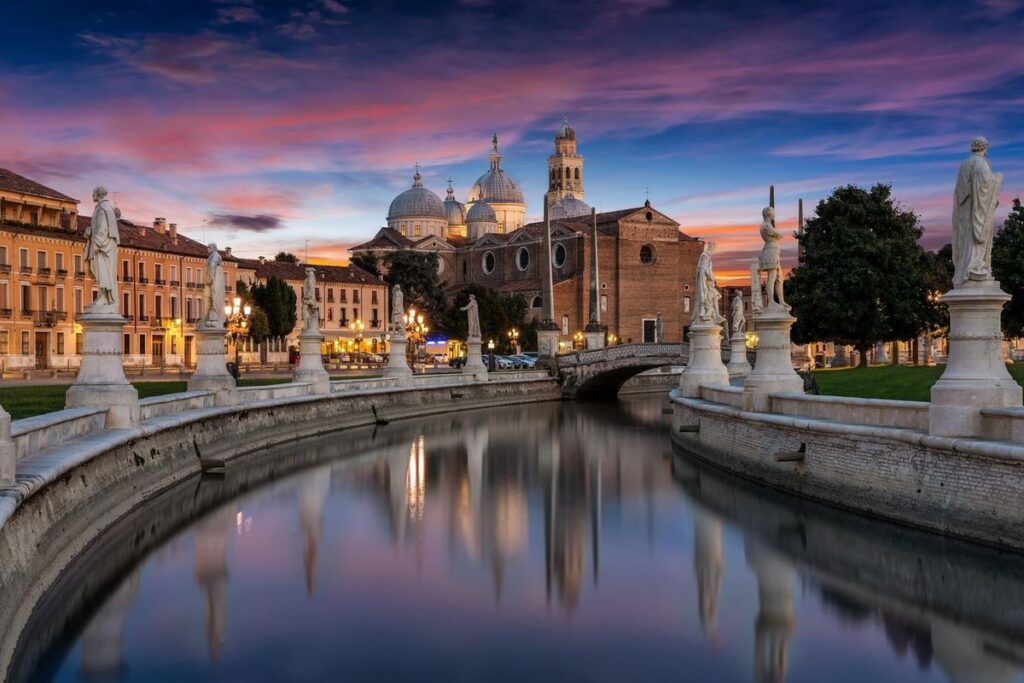
The city’s religious sites are equally impressive. The Basilica of Saint Anthony, known locally as Il Santo, is a must-visit, attracting pilgrims and tourists alike. Its striking architecture and intricate interior reflect Padova’s spiritual and artistic heritage. Alongside Il Santo, smaller churches and chapels, often adorned with centuries-old frescoes, provide a quieter glimpse into the city’s sacred spaces.
Padova’s museums and cultural centers showcase the city’s artistic and historical treasures. The Scrovegni Chapel, with Giotto’s famous frescoes, is considered a masterpiece of early Renaissance art. Other institutions highlight local history, science, and art, offering visitors a chance to explore Padova’s contributions to culture and knowledge. Together, these landmarks form a rich tapestry of experiences that reveal the city’s depth and diversity.
Nature and Scenic Spots in Padova
Beyond its historic buildings, Padova also offers green spaces and scenic spots that invite relaxation and exploration. The Botanical Garden of Padova, one of the oldest in the world, provides a peaceful retreat where visitors can enjoy rare plant species and beautifully arranged gardens. Parks and public squares also give residents and tourists alike a place to unwind, stroll, or enjoy outdoor activities.
The city is crisscrossed with small canals and rivers, adding to its picturesque charm. Walking along these waterways offers a serene perspective on Padova, allowing visitors to see the city from a different angle. Quiet corners tucked away from the main streets often provide perfect spots for photography or simply pausing to enjoy the atmosphere.
For those seeking a mix of nature and culture, Padova offers numerous walking paths that connect gardens, squares, and historical sites. These routes highlight the city’s balance between urban life and natural beauty, making it easy to enjoy a leisurely day while absorbing the local culture.
Art, Culture, and Local Traditions
Padova has long been a center for art and culture, attracting some of Italy’s most celebrated artists. The city’s artistic heritage is evident in its frescoes, sculptures, and architectural details that can be found throughout the historic center. Notable figures, such as the painter Giotto, left their mark on Padova, making it a destination for art enthusiasts.
Cultural events and traditions are an integral part of life in Padova. Annual festivals celebrate music, theater, and local customs, giving visitors a chance to experience the city’s lively spirit. Performances often take place in historic venues, combining entertainment with a sense of history. Local traditions, from artisan crafts to culinary rituals, provide insight into the rhythms and values of everyday life in Padova.
Exploring Padova’s culture also means engaging with its educational legacy. The University of Padova continues to influence the city, hosting lectures, exhibitions, and events that invite participation from both locals and travelers. This fusion of past and present makes Padova a vibrant and intellectually stimulating destination.
Food and Culinary Experiences
No visit to Padova is complete without savoring its culinary delights. The city offers a variety of traditional dishes that reflect Veneto’s rich gastronomic culture. Local specialties often feature fresh ingredients, including seasonal vegetables, cheeses, and regional meats. Dining in Padova is not only about taste—it’s an experience that connects visitors to the city’s history and daily life.
Markets and small eateries are ideal for discovering authentic flavors. From bustling food markets to family-run trattorias, Padova provides ample opportunities to try local dishes and interact with residents. For those interested in a deeper experience, food tours or cooking workshops offer hands-on ways to understand the city’s culinary traditions.
Whether enjoying a simple pasta dish, a freshly baked dessert, or a glass of regional wine, visitors quickly discover that Padova’s food culture is as rich and diverse as its history. Eating here is both a sensory pleasure and a way to connect with the city’s unique character.
Exploring the Surrounding Area
Padova’s location makes it a convenient base for exploring nearby towns and attractions. Short trips can lead visitors to the Veneto countryside, charming villages, and natural landscapes that complement the city’s urban experience. Popular destinations include Venice, Vicenza, and smaller towns that offer a mix of history, architecture, and outdoor activities.
Outdoor enthusiasts can enjoy hiking, cycling, or boating in the surrounding areas, while history lovers can visit ancient villas, castles, and cultural landmarks. These excursions provide a broader understanding of the region’s heritage and allow visitors to experience both city life and the tranquility of the Italian countryside.
Exploring the surrounding area also offers insight into local traditions, crafts, and seasonal events that differ from those in Padova itself. Together, these experiences make a visit to Padova and its region both comprehensive and rewarding.
Conclusion
Padova is a city where history, culture, and everyday life intertwine in a way that feels both authentic and inviting. From its centuries-old streets and remarkable landmarks to its green spaces and vibrant cultural scene, Padova offers a wealth of experiences for every traveler. Its culinary traditions, festivals, and local customs provide additional layers that make the city memorable long after leaving.
For anyone curious about Northern Italy, Padova is a destination that combines education, exploration, and relaxation. Whether wandering through historic squares, admiring art, or enjoying a quiet moment in a garden, visitors can experience the city’s unique charm firsthand. Padova is not just a place to see—it’s a place to feel, taste, and remember.
FAQs
What is Padova famous for?
Padova is famous for its rich history, art, stunning basilicas, the Scrovegni Chapel, and its lively cultural scene.
When is the best time to visit Padova?
Spring and autumn offer mild weather and fewer crowds, ideal for sightseeing and enjoying outdoor activities.
What are the must-see landmarks in Padova?
Key spots include the Basilica of Saint Anthony, Scrovegni Chapel, Piazza dei Signori, and the Botanical Garden.
Can I do a day trip from Padova?
Yes! Venice, Vicenza, and Verona are all easily reachable within 1–2 hours by train or car.
What traditional food should I try in Padova?
Don’t miss local specialties like risotto, fresh pasta, and desserts unique to the Veneto region.