
Introduction
The term Parson Russell Terrier Jack Russell often causes confusion, even among dog lovers. Many people assume these names refer to the same dog, while others believe they describe two completely different breeds. In reality, they are closely related but not identical. Both dogs share the same roots, similar looks, and lively personalities, which is why the names are so often mixed up in everyday conversation.
This confusion is made worse by how the names are used differently by kennel clubs, breeders, and owners around the world. Some people use “Jack Russell” as a general label, while others are referring to a specific, officially recognized breed known as the Parson Russell Terrier.
By the end of this article, you will clearly understand what the Parson Russell Terrier Jack Russell relationship really is, how these dogs developed, what makes them similar, what sets them apart, and how to decide which one might be right for your lifestyle.
Origins and Historical Background
The story of the Parson Russell Terrier Jack Russell begins in England during the early 19th century. Both dogs trace their origins to Reverend John Russell, often called “Jack” Russell, who was passionate about fox hunting. He wanted a small, energetic terrier that could keep up with horses, run alongside hounds, and still go into fox dens underground.
Reverend Russell bred terriers that were quick, brave, and athletic. His focus was always on working ability rather than looks. These early dogs varied in size and shape, but they all shared strong hunting instincts and high energy. Over time, people began referring to these dogs as Jack Russell Terriers in honor of their creator.
As dog shows and kennel clubs became more popular, there was pressure to create formal breed standards. Some breeders wanted a more consistent look, while others preferred to keep the dogs focused on work rather than appearance. This difference in goals eventually led to a split. The Parson Russell Terrier became the officially recognized show breed, while the Jack Russell Terrier remained more loosely defined, especially outside major kennel club systems.
Physical Characteristics and Appearance
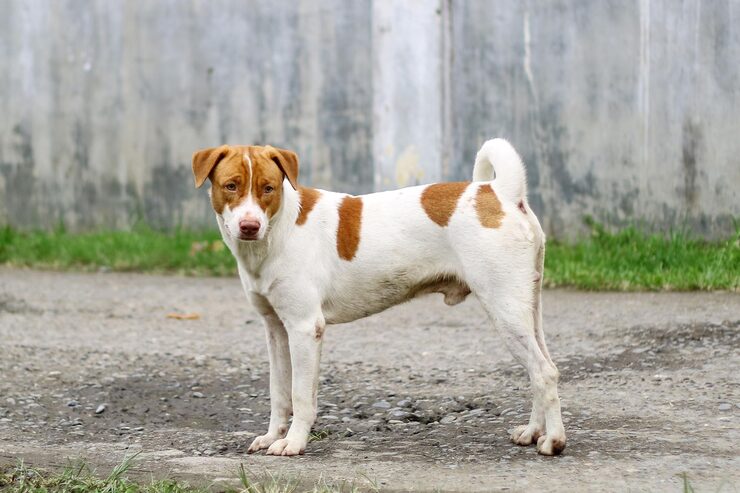
At first glance, a Parson Russell Terrier Jack Russell looks very similar regardless of the name used. Both are small, sturdy terriers with alert expressions and athletic bodies. However, there are some noticeable differences once you know what to look for.
The Parson Russell Terrier is generally taller and more balanced in shape. It has longer legs and a more square body, which reflects its original purpose of running alongside horses during hunts. Jack Russell Terriers are often shorter and more compact, with slightly shorter legs and a body that may appear longer in proportion.
Both types usually have white coats with black, tan, or brown markings. The coat can be smooth, rough, or broken, depending on the dog. These coat variations are common in both, though show standards for the Parson Russell Terrier tend to be more specific.
Appearance plays a big role in breed recognition. Kennel clubs use physical traits to decide whether a dog fits the Parson Russell Terrier standard. Jack Russells, on the other hand, may vary more in size and shape because they are often bred with working ability or personality in mind rather than strict appearance rules.
Temperament and Personality Traits
When it comes to personality, the Parson Russell Terrier Jack Russell combination is known for being lively, confident, and full of character. Both dogs are intelligent, curious, and often fearless despite their small size. They form strong bonds with their owners and enjoy being involved in daily activities.
That said, subtle differences can appear in daily life. Parson Russell Terriers are often described as slightly more focused and balanced, which may come from generations of selective breeding for show and structure. Jack Russell Terriers can be more intense and independent, especially those bred from strong working lines.
Both dogs can be stubborn at times and may try to take charge if not given clear guidance. They are best suited for owners who enjoy active dogs and are willing to spend time on training and engagement. These terriers are not usually content with a quiet, inactive lifestyle.
Energy Levels and Exercise Needs
Energy is one of the most defining traits of the Parson Russell Terrier Jack Russell types. These dogs were bred to work all day, and that drive still exists today. Daily exercise is not optional; it is essential for their physical and mental well-being.
Both dogs need regular walks, playtime, and opportunities to run safely. They also benefit greatly from mental stimulation, such as puzzle toys, training games, or dog sports. Without enough activity, they may develop unwanted behaviors like excessive barking or digging.
Structured routines work especially well for these breeds. Knowing when they will exercise, train, and rest helps them stay calm and balanced. Owners who enjoy hiking, jogging, or interactive play often find these terriers to be enthusiastic companions.
Training and Intelligence Comparison
The Parson Russell Terrier Jack Russell is highly intelligent, but that intelligence comes with a strong independent streak. These dogs learn quickly, but they may question commands if they do not see the point. Training should be consistent, positive, and engaging.
Both types respond best to short, fun training sessions that keep their attention. Repetition without variety can lead to boredom, so mixing training with play is often effective. Early socialization is also important to help them develop good manners around people and other animals.
Common challenges include stubbornness, chasing instincts, and selective listening. For first-time owners, patience is key. Choosing a training approach that rewards good behavior rather than punishing mistakes will lead to much better results with these clever terriers.
Living Environment and Family Compatibility
Despite their small size, Parson Russell Terrier Jack Russell dogs are not always ideal for apartment living unless their exercise needs are fully met. They can adapt to smaller spaces, but only if they receive plenty of outdoor activity and mental stimulation.
In a house with a yard, they are often happier, especially if the space is secure. These dogs are known escape artists and may dig or jump if given the chance. Supervised outdoor time is always recommended.
With families, both types can do very well. They are playful and often enjoy the company of respectful children. However, their high energy and bold nature mean they may not be the best fit for very young children without supervision. With other pets, early introductions and training help reduce chasing behaviors.
Health, Lifespan, and Care Considerations
Overall, the Parson Russell Terrier Jack Russell group is considered healthy and hardy. Their working background has contributed to strong bodies and good endurance. Most live long lives, often reaching 13 to 15 years or more with proper care.
Some health issues can appear, including joint problems, eye conditions, and hearing concerns. Responsible breeders test for common genetic conditions, which is important when choosing a puppy.
Grooming needs are generally low to moderate. Smooth coats require minimal brushing, while rough or broken coats may need occasional trimming. Regular nail care, dental hygiene, and routine vet visits are essential parts of long-term care for both types.
Breed Recognition and Naming Differences
One major reason for confusion around the Parson Russell Terrier Jack Russell name is how kennel clubs handle recognition. The Parson Russell Terrier is officially recognized by major organizations such as the American Kennel Club and the Kennel Club in the UK.
The Jack Russell Terrier, however, is often recognized by smaller or alternative registries, or not formally recognized at all by certain kennel clubs. In some countries, the name “Jack Russell” is used as a general description rather than a strict breed label.
This difference affects registration, breeding programs, and dog shows. Dogs that meet the Parson Russell Terrier standard can compete in official events, while Jack Russells may be registered through different organizations focused more on working ability or companion qualities.
Choosing Between a Parson Russell Terrier and Jack Russell
Choosing between a Parson Russell Terrier Jack Russell often comes down to lifestyle and personal preference rather than major differences in the dogs themselves. Both require time, energy, and commitment from their owners.
Potential owners should consider how active they are, how much time they can dedicate to training, and whether they prefer a dog bred more for appearance or for working traits. Meeting adult dogs of both types can help set realistic expectations.
Avoiding misconceptions is important. Neither dog is a “low-maintenance” pet simply because of its size. Understanding their needs before bringing one home leads to happier dogs and more satisfied owners.
Conclusion
The Parson Russell Terrier Jack Russell relationship is rooted in shared history, purpose, and personality. While they come from the same original vision created by Reverend John Russell, differences in breeding goals and recognition have led to distinct identities over time.
By understanding their origins, physical traits, temperament, and care needs, it becomes much easier to see how these dogs are connected and how they differ. Making an informed choice ensures that both the dog and owner can enjoy a fulfilling life together.
With the right environment, training, and commitment, either a Parson Russell Terrier or a Jack Russell Terrier can be a loyal, energetic, and rewarding companion.
FAQs
Are Parson Russell Terrier and Jack Russell the same dog?
No. They share the same origin but are considered different types due to size, structure, and official recognition.
Why are Parson Russell Terrier Jack Russell names so confusing?
Because “Jack Russell” is often used casually, while “Parson Russell Terrier” is the official kennel club name.
Which one is better for families?
Both can be great family dogs if properly trained, exercised, and socialized, especially with older children.
Do Parson Russell Terriers calm down with age?
They may become slightly calmer, but they remain active and energetic throughout their lives.
Is a Jack Russell harder to train than a Parson Russell Terrier?
Both are intelligent but stubborn. Jack Russells may be more independent, making training slightly more challenging.