
Introduction
Plum tomatoes are one of the most popular tomato varieties used in kitchens around the world. If you have ever made a rich pasta sauce or opened a can of whole peeled tomatoes, chances are you have already used plum tomatoes. These tomatoes are known for their oval shape, firm texture, and deep flavor. They are simple, reliable, and extremely useful in everyday cooking.
What makes plum tomatoes different from other tomato varieties is their structure. They contain less water and fewer seeds than round slicing tomatoes. Because of this, they cook down easily and create thick, smooth sauces without needing much reduction. Their flesh is dense and meaty, which gives dishes a fuller texture and stronger tomato taste.
Plum tomatoes are a favorite for sauces, cooking, and preserving because they save time and improve results. Whether you are simmering a homemade marinara, roasting vegetables, or canning tomatoes for winter, plum tomatoes offer consistency and flavor. In this guide, you will learn what plum tomatoes are, the most popular types, how they compare to regular tomatoes, how to choose and store them, and even how to grow them at home. By the end, you will understand why plum tomatoes deserve a regular place in your kitchen.
What Are Plum Tomatoes?
Plum tomatoes are a type of tomato that is specially valued for cooking. They are often called paste tomatoes because they are commonly used to make tomato paste and thick sauces. Unlike round tomatoes that are mainly used for slicing and salads, plum tomatoes are known for their dense flesh and low moisture content.
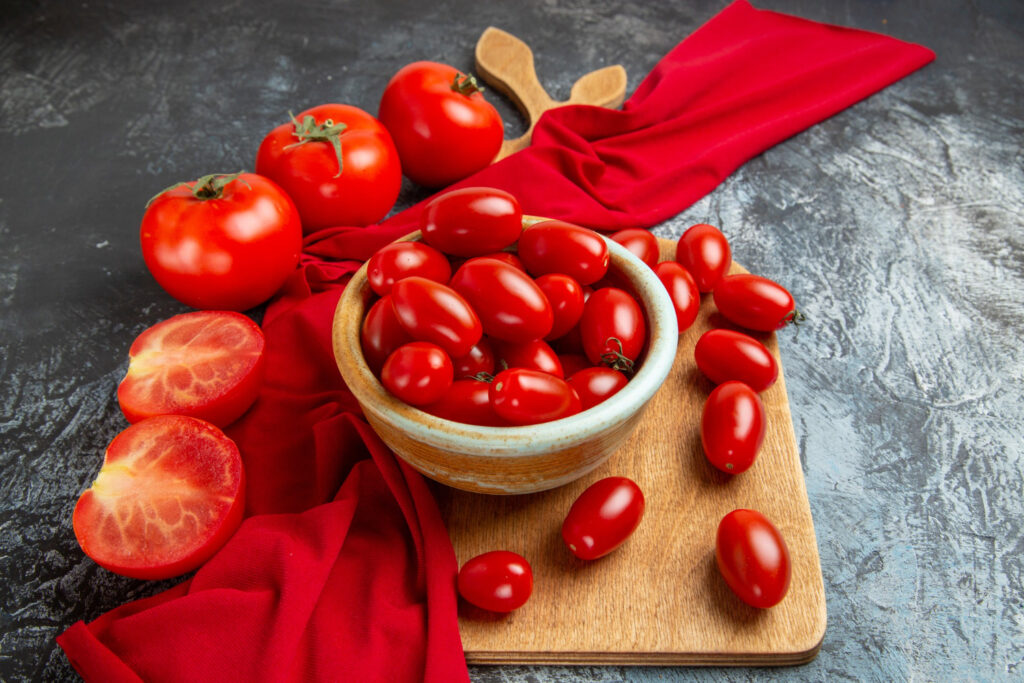
In appearance, plum tomatoes are usually oval or egg-shaped. They are smaller than large beefsteak tomatoes but slightly bigger than cherry tomatoes. Their skin is smooth and firm, and their color ranges from bright red to deep red when fully ripe. Inside, they have thick walls and fewer seed pockets compared to regular tomatoes.
The flavor of plum tomatoes is balanced and rich. They are naturally sweet but also have a mild acidity that gives dishes brightness. Because they contain less juice, their taste is more concentrated. When cooked, they break down into a smooth, thick consistency without becoming watery. This is why they are often called paste tomatoes. Their texture makes them ideal for recipes that require depth and body.
Popular Types of Plum Tomatoes
Roma
Roma is one of the most common types of plum tomatoes found in grocery stores. It is widely grown and known for its dependable performance in cooking. Roma tomatoes are medium-sized with a firm texture and mild, slightly sweet flavor. They are often used in sauces, salsas, and canning because they cook down evenly and create a smooth consistency.
San Marzano
San Marzano plum tomatoes are considered premium by many cooks. Originally grown in Italy, they are known for their elongated shape, thin skin, and deep, slightly sweet flavor. San Marzano tomatoes are often used in traditional Italian sauces because they offer low acidity and a rich taste. Their flesh is especially thick, which makes them ideal for slow-cooked dishes.
Amish Paste
Amish Paste tomatoes are larger than Roma and have a more irregular shape. They are popular among home gardeners. Their flavor is slightly sweeter and more complex, making them suitable for both sauces and fresh eating. Because of their size, they produce a good amount of thick pulp, which is excellent for canning.
Other commonly grown varieties include smaller heirloom plum tomatoes and hybrid types developed for disease resistance and higher yields. While sizes and flavors may vary slightly, most plum tomatoes share the same core qualities: dense flesh, fewer seeds, and a strong tomato taste.
The main differences between these varieties come down to sweetness, acidity, size, and how quickly they break down during cooking. Some are better for long simmering sauces, while others are good for roasting or even slicing fresh.
Flavor Profile and Texture Explained
The flavor of plum tomatoes is one of their greatest strengths. They offer a pleasant balance between sweetness and acidity. The sweetness becomes more noticeable when they are fully ripe or roasted, while the acidity helps brighten sauces and soups.
Compared to regular tomatoes, plum tomatoes contain less water and fewer seeds. This low moisture content is important. It means that when you cook them, they reduce quickly and thicken naturally. You do not need to cook them for a long time just to remove excess liquid.
Their firm and meaty texture is what makes them so valuable in cooking. When simmered, they break down into a smooth base that holds herbs and spices well. They create a sauce that feels rich without being heavy. This texture also helps when roasting, as they keep their shape longer before softening.
Best Culinary Uses for Plum Tomatoes
Plum tomatoes are most famous for sauces and pasta dishes. Their thick flesh makes them perfect for marinara, pizza sauce, and slow-cooked ragù. Because they are not watery, they create a full-bodied sauce with less effort.
They are also ideal for canning and preserving. Many canned whole tomatoes are made from plum tomatoes because they hold their structure well during processing. When preserved, their flavor remains strong and balanced, making them useful throughout the year.
Roasting plum tomatoes brings out their natural sweetness. When placed in the oven with olive oil and herbs, their edges caramelize slightly while the inside becomes soft and rich. They can also be oven-dried to create intense, concentrated tomato pieces that add depth to salads and sandwiches.
In soups and stews, plum tomatoes provide thickness and flavor without making the dish too liquid. They blend smoothly and enhance both vegetable and meat-based recipes.
Although they are mainly used for cooking, plum tomatoes can also be enjoyed fresh. When fully ripe, they can be sliced into salads or used in fresh salsa. Their firmer texture makes them less juicy than round tomatoes, but their flavor is still satisfying.
Plum Tomatoes vs. Regular Tomatoes
| Feature | Plum Tomatoes | Regular Round Tomatoes |
| Shape | Oval or egg-shaped | Round |
| Water Content | Low | Higher |
| Seeds | Fewer | More |
| Texture | Dense and meaty | Juicy and softer |
| Best Use | Sauces, cooking, canning | Slicing, salads, sandwiches |
The main structural difference between plum tomatoes and regular tomatoes lies in their moisture and seed content. Regular tomatoes are juicy and refreshing, which makes them ideal for fresh dishes. Plum tomatoes, on the other hand, are designed for cooking.
When it comes to cooking performance, plum tomatoes reduce faster and create thicker sauces. Regular tomatoes may require longer cooking to achieve the same thickness because of their higher water content.
You can substitute plum tomatoes for regular tomatoes in many cooked recipes, especially when making sauces. However, if a recipe depends on the juicy texture of fresh tomatoes, such as a caprese salad, regular tomatoes are usually the better choice.
How to Choose the Best Plum Tomatoes?
When shopping for plum tomatoes, look for ones that feel firm but not hard. The skin should be smooth and free from wrinkles or large bruises. A ripe plum tomato will have a deep red color and a slightly sweet smell near the stem.
Avoid tomatoes with soft spots, cracks, or mold. Overly soft tomatoes may be overripe and can spoil quickly. If you gently press the tomato and it feels slightly soft but still holds its shape, it is likely ready to use.
Color is also important. Pale or greenish tomatoes may not have developed their full flavor. Fully ripened plum tomatoes offer the best sweetness and texture for cooking.
How to Store Plum Tomatoes Properly?
Plum tomatoes should generally be stored at room temperature if they are not fully ripe. This allows them to continue developing flavor. Keep them out of direct sunlight and place them stem-side down on a flat surface.
Once they are fully ripe, you can store them in the refrigerator to extend their shelf life. However, refrigeration can slightly reduce flavor and change texture. For best taste, bring them back to room temperature before using them in cooking.
To prevent texture and flavor loss, avoid sealing fresh plum tomatoes in airtight plastic bags for long periods. Good air circulation helps maintain quality.
Preparing Plum Tomatoes for Cooking
Preparing plum tomatoes is simple. If you need to peel them for sauces, you can score a small cross at the bottom and place them in boiling water for about thirty seconds. Then transfer them to cold water. The skin will slide off easily.
To remove seeds, slice the tomato lengthwise and gently squeeze or scoop out the seed pockets. This step is optional, especially since plum tomatoes already contain fewer seeds than regular tomatoes.
For sauces, roughly chopping plum tomatoes is usually enough. They will break down as they cook. For roasting, cut them in halves or quarters and place them cut-side up to allow moisture to evaporate and flavor to concentrate.
Growing Plum Tomatoes at Home
Growing plum tomatoes at home can be rewarding and practical. They thrive in warm weather and need plenty of sunlight, ideally six to eight hours per day. Well-drained soil and regular watering help produce healthy plants.
You can grow plum tomatoes in a garden bed or in large containers. Container planting works well if space is limited, as long as the pot is deep enough to support root growth. Providing support, such as stakes or cages, keeps the plants upright as the fruit develops.
Harvest timing is important. Plum tomatoes are ready to pick when they are fully colored and slightly soft to the touch. Picking them at the right time ensures the best flavor.
Common growing challenges include pests, inconsistent watering, and diseases that affect tomato plants. Maintaining steady watering and proper spacing between plants can reduce many common issues.
Nutritional Benefits of Plum Tomatoes
Plum tomatoes are not only tasty but also nutritious. They are rich in vitamin C, which supports the immune system, and vitamin A, which helps maintain healthy skin and vision. They also contain antioxidants such as lycopene, which gives tomatoes their red color.
Lycopene has been studied for its potential health benefits. Interestingly, cooking plum tomatoes can increase the availability of lycopene, making tomato-based sauces a healthy addition to meals.
Plum tomatoes also provide hydration because they contain water, along with fiber that supports digestion. They are naturally low in calories and fat, making them suitable for balanced diets.
Common Mistakes When Using Plum Tomatoes
One common mistake when using plum tomatoes is adding too much water to sauces. Because these tomatoes already have enough moisture, extra liquid can dilute the flavor and slow down thickening.
Using underripe plum tomatoes is another issue. If the tomatoes are not fully ripe, the flavor may be flat or slightly bitter. Allowing them to ripen properly improves sweetness and overall taste.
Improper storage can also affect quality. Refrigerating unripe tomatoes too soon may stop them from developing full flavor. Storing them correctly helps maintain their texture and richness.
Conclusion
Plum tomatoes stand out because of their dense texture, balanced flavor, and dependable cooking performance. Their low moisture and fewer seeds make them perfect for sauces, roasting, preserving, and many other dishes. Compared to regular tomatoes, plum tomatoes offer a thicker, richer result with less effort.
From popular varieties like Roma and San Marzano to homegrown Amish Paste, there are many types of plum tomatoes to explore. Each brings slight differences in sweetness, size, and texture, giving you options based on your cooking needs.
Whether you are preparing a simple pasta sauce, canning tomatoes for later use, or growing them in your backyard, plum tomatoes are a versatile and valuable ingredient. With proper selection, storage, and preparation, they can become a reliable staple in everyday cooking.
FAQs
Are plum tomatoes the same as Roma tomatoes?
Roma tomatoes are a type of plum tomato. All Roma tomatoes are plum tomatoes, but not all plum tomatoes are Roma.
Can I use plum tomatoes instead of regular tomatoes?
Yes, especially in cooked dishes like sauces and soups. However, for fresh salads, regular juicy tomatoes may work better.
Why are plum tomatoes better for sauce?
Because they have less water and fewer seeds, they cook down faster and create a thick, rich sauce without extra simmering.
Do plum tomatoes need to be peeled before cooking?
Not always. For smooth sauces, peeling helps. For roasting or stews, you can leave the skin on.
Are canned plum tomatoes healthy?
Yes. They still contain important nutrients like lycopene and vitamins, especially when preserved without added sugars or heavy sodium.