
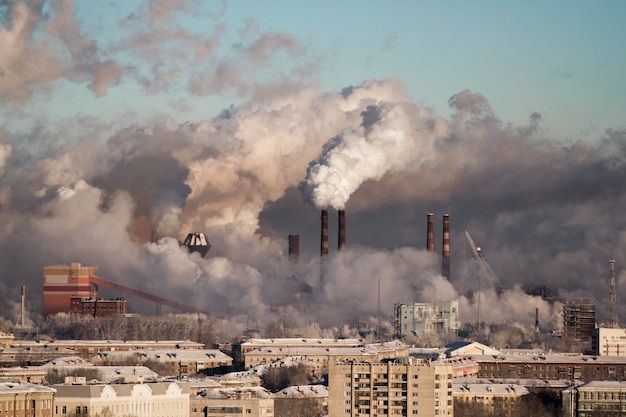
Pollution is one of the biggest challenges facing our world today because it affects the air we breathe, the water we drink, and the land we live on. It happens when harmful substances enter the environment, often due to human activities such as factories, transportation, waste disposal, and modern lifestyle habits. Over time, pollution damages nature, harms living organisms, and creates serious health risks for people everywhere.
Understanding pollution is important because it helps us see how our daily actions connect to the planet’s health. When we learn what causes pollution and how it spreads, we can make better choices and support solutions that protect the environment. Pollution is not only an environmental issue; it is also a social, economic, and health problem that requires everyone’s attention.
Today, governments, scientists, environmental organizations, and communities are working to reduce pollution through awareness, innovation, and responsible behavior. Even small changes, such as reducing waste, saving energy, and supporting cleaner technologies, can make a big difference. By understanding pollution clearly, we can take meaningful steps toward a cleaner, safer, and healthier future for the next generations.
Major Types Of Pollution
1. Air Pollution
Air pollution happens when harmful gases, particles, and chemicals mix with the air we breathe. It commonly comes from vehicles, factories, burning fossil fuels, and even household activities like cooking with smoke-producing fuels. When these pollutants fill the atmosphere, they reduce air quality and make the environment unsafe for humans, animals, and plants.
This type of pollution can cause serious health problems such as breathing difficulties, asthma, lung diseases, heart issues, and allergies. Children, elderly people, and those with weak immune systems are especially at risk. Air pollution also creates environmental problems like smog, acid rain, and climate change, which can damage forests, crops, and entire ecosystems over time.
Reducing air pollution requires smart choices and strong action. Governments introduce laws to control emissions, cities promote public transport, and industries invest in cleaner technology. At the same time, individuals can help by reducing car use, saving energy, planting trees, and supporting eco-friendly solutions. When everyone works together, cleaner air and a healthier planet become possible.
2. Water Pollution
Water pollution happens when harmful substances such as chemicals, plastics, sewage, oil, and industrial waste mix with rivers, lakes, oceans, and groundwater. This usually occurs because of careless waste disposal, agricultural runoff, factory discharges, and everyday human activities. When water becomes polluted, it loses its natural purity and can no longer support healthy life for humans, animals, or aquatic organisms.
Polluted water creates serious health risks. People who drink or use contaminated water may suffer from stomach infections, skin diseases, poisoning, and long-term health problems. Water pollution also destroys marine life by reducing oxygen levels, poisoning fish, and damaging coral reefs and aquatic habitats. In many parts of the world, polluted water leads to shortages of clean drinking water, making daily living difficult for millions of people.
Preventing water pollution requires responsibility from both communities and governments. Strong environmental laws, wastewater treatment systems, and proper waste management can reduce contamination. Individuals can also help by avoiding littering, reducing plastic use, disposing of chemicals safely, and conserving water. Protecting water sources is essential because clean water is not only important for health, but also for agriculture, industry, and the future of our planet.
3. Soil / Land Pollution
Soil or land pollution happens when the ground becomes contaminated with harmful substances such as chemicals, plastics, pesticides, industrial waste, and household garbage. This usually occurs due to poor waste management, excessive use of fertilizers, improper dumping, and mining activities. When pollutants mix with the soil, they reduce its natural fertility and damage the quality of land that plants, animals, and humans depend on.
Land pollution has serious environmental and health impacts. Polluted soil cannot grow healthy crops, which affects food quality and food security. Harmful chemicals can enter the food chain through plants and animals, eventually affecting human health. It can also destroy natural habitats, reduce biodiversity, and make land unsafe for living, farming, and construction. In some cases, toxic soil contamination can last for many years and become very difficult to clean.
Preventing soil and land pollution requires responsible behavior and strong environmental management. Proper disposal of waste, recycling, reducing plastic use, and controlling harmful chemicals in agriculture are essential steps. Governments can enforce strict regulations, while communities can promote cleaner practices and awareness. Protecting the land is important because healthy soil supports life, food production, and the balance of our natural environment.
4. Noise Pollution
Noise pollution happens when loud, unwanted, or disturbing sounds fill the environment and affect people’s comfort and health. It often comes from traffic, airplanes, construction work, factories, loudspeakers, and crowded urban activities. When noise levels stay high for a long time, they disturb daily life and create stress for both humans and animals.
This type of pollution does more harm than many people realize. Constant loud noise can lead to hearing loss, headaches, sleep problems, anxiety, and difficulty concentrating. For students, it can affect learning, and for workers, it can reduce productivity. Animals are also affected because noise can disturb their communication, movement, and natural behavior.
Reducing noise pollution requires planning and awareness. Governments can create noise-control laws, build sound barriers near highways, and promote quieter urban designs. Individuals can help by using horns responsibly, lowering music volume, maintaining vehicles, and respecting quiet zones. By keeping our environment quieter and calmer, we protect our health, improve our surroundings, and support a more peaceful quality of life.
5. Light Pollution
Light pollution happens when there is too much artificial light in the environment, especially at night. It usually comes from streetlights, brightly lit buildings, advertising boards, vehicles, and residential lighting that is used carelessly or without proper direction. Instead of lighting only what is needed, excess light spreads into the sky and surrounding areas, disturbing nature and wasting energy.
This type of pollution affects both humans and the natural world. Too much light at night can disturb sleep, damage eyesight, and affect mental health. It also confuses birds, insects, and animals that depend on natural darkness to hunt, migrate, and live normally. In many cities, the sky is so bright that stars are no longer visible, which shows how much the night environment has changed.
Reducing light pollution is possible with smart lighting habits. Using energy-efficient bulbs, covering lights so they point downward, turning off unnecessary lights, and following city lighting rules can make a big difference. When we control artificial lighting, we save energy, reduce costs, protect wildlife, and bring back the natural beauty of the night sky.
6. Thermal Pollution
Thermal pollution occurs when water bodies such as rivers, lakes, or oceans experience an unnatural increase in temperature, mainly due to human activities. It commonly happens when power plants, factories, and industrial facilities release hot water back into the environment after using it for cooling processes. This sudden rise in temperature changes the natural balance of aquatic ecosystems and makes it difficult for many species to survive.
Warm water holds less oxygen, which is essential for fish and other aquatic life. As a result, thermal pollution can lead to the death of fish, destruction of coral reefs, and disruption of breeding cycles. Many sensitive species may disappear, while harmful organisms may grow faster, creating an unhealthy environment. Over time, this damage affects not only nature but also fishing industries and communities that depend on water resources.
Controlling thermal pollution requires responsible industrial practices and strong environmental regulations. Industries can use cooling systems, recycle water safely, and release heat more gradually instead of dumping hot water directly into natural sources. Planting trees near water bodies and protecting natural vegetation can also help regulate temperature. By managing heat discharge carefully, we can protect aquatic life and maintain healthier, more balanced ecosystems.
7. Radioactive Pollution
Radioactive pollution happens when harmful radioactive substances are released into the environment. This can occur due to nuclear power plant accidents, improper disposal of nuclear waste, medical or research activities, and sometimes from natural sources like radon gas. When radiation spreads into air, water, or soil, it stays dangerous for a very long time because radioactive materials take years or even centuries to break down.
This type of pollution is extremely harmful to living beings. Exposure to high levels of radiation can cause severe health problems such as cancer, genetic disorders, birth defects, skin burns, and damage to internal organs. It can also contaminate food and water sources, making entire areas unsafe for humans, animals, and plants. In some cases, radioactive pollution forces people to leave their homes permanently because the land becomes too dangerous to live on.
Preventing radioactive pollution requires strict safety measures, advanced technology, and strong international regulations. Nuclear facilities must follow careful handling, storage, and waste disposal procedures. Governments, scientists, and environmental agencies work together to monitor radiation levels and respond quickly to any leaks or accidents. By managing radioactive materials responsibly, we can reduce risks and protect both people and the environment.
8. Plastic Pollution
Plastic pollution occurs when plastic waste accumulates in the environment, including land, rivers, and oceans, and does not break down naturally. It is caused by the excessive use and improper disposal of plastic products like bags, bottles, packaging, and microplastics from everyday items. Because plastics are durable and lightweight, they can travel long distances and remain in nature for hundreds of years.
This pollution is extremely harmful to both wildlife and humans. Animals often mistake plastic for food, which can lead to injury, starvation, or death. Microplastics can enter the food chain, eventually reaching humans through seafood and water, posing long-term health risks. Plastic pollution also clogs waterways, harms marine ecosystems, and reduces the natural beauty of landscapes, making it a major environmental concern worldwide.
Reducing plastic pollution requires effort from everyone. Using reusable products, recycling properly, avoiding single-use plastics, and supporting legislation that limits plastic waste can make a significant difference. Communities can also organize clean-up campaigns and educate people about the dangers of plastic pollution. By acting responsibly, we can protect wildlife, conserve natural habitats, and create a cleaner, healthier planet for future generations.
9. Marine / Ocean Pollution
Marine or ocean pollution happens when harmful substances such as plastics, chemicals, oil, sewage, and other waste enter the seas and oceans. This pollution is mainly caused by human activities like industrial discharge, ship operations, agricultural runoff, and improper disposal of trash. Once pollutants reach the water, they spread quickly and affect marine life, ecosystems, and even human communities that depend on the ocean.
This type of pollution has serious consequences for the environment and health. Fish, turtles, seabirds, and other marine animals often ingest or get entangled in waste, leading to injury or death. Toxic chemicals in the water can accumulate in seafood, affecting people who consume it. Coral reefs, which are vital habitats for marine biodiversity, are also highly sensitive to pollutants and can be destroyed by chemical and plastic contamination.
Preventing marine pollution requires both global and local action. Governments can enforce stricter laws on waste disposal, reduce plastic production, and regulate industrial discharge. Individuals can help by avoiding littering, reducing plastic use, participating in beach clean-ups, and supporting sustainable fishing practices. Protecting the oceans is essential because they not only provide food and livelihood for millions of people but also regulate the climate and maintain the health of the planet.
10. Visual Pollution
Visual pollution occurs when unattractive or excessive visual elements disturb the natural or built environment, making it unpleasant to look at. Common sources include billboards, poorly managed construction sites, overhead wires, litter, abandoned buildings, and overcrowded urban areas. Unlike other types of pollution, visual pollution mainly affects the aesthetics of a place, but it can also impact mental health and quality of life.
This type of pollution can create stress, reduce the sense of well-being, and even lower property values in affected areas. It distracts drivers, pedestrians, and workers, sometimes leading to accidents or decreased productivity. In natural landscapes, visual pollution spoils scenic beauty and reduces tourism potential, affecting local economies that rely on natural attractions.
Reducing visual pollution requires careful urban planning and community awareness. Governments can regulate billboards, improve waste management, and encourage green spaces. Citizens can contribute by keeping neighborhoods clean, planting trees, and maintaining properties properly. By minimizing visual clutter and protecting scenic areas, we can create more attractive, peaceful, and enjoyable surroundings for everyone.
11. Chemical Pollution
Chemical pollution occurs when harmful chemicals such as pesticides, fertilizers, heavy metals, industrial solvents, and cleaning agents enter the environment. These substances can contaminate air, water, and soil, disrupting natural processes and posing serious health risks to humans, animals, and plants. It often results from industrial activities, agricultural practices, improper waste disposal, and household chemical use.
The effects of chemical pollution are wide-ranging. In water, toxic chemicals can kill aquatic life and make water unsafe for consumption. In soil, chemicals reduce fertility, destroy beneficial microorganisms, and contaminate crops. Airborne chemicals can cause respiratory problems, allergies, and long-term diseases in humans. Over time, chemical pollution accumulates in the environment, sometimes remaining for decades and causing lasting damage.
Preventing chemical pollution requires careful handling and responsible use of chemicals. Industries must follow strict regulations for storage, usage, and disposal, while farmers can adopt safer alternatives to harmful pesticides and fertilizers. Individuals can reduce chemical pollution by avoiding unnecessary chemical products, recycling properly, and using eco-friendly cleaning solutions. By managing chemicals responsibly, we can protect the environment and promote a healthier, safer world.
12. Biological Pollution
Biological pollution happens when harmful living organisms, such as bacteria, viruses, invasive species, or fungi, enter an ecosystem where they do not naturally belong. These organisms can disrupt the balance of the environment, damage crops, harm native wildlife, and pose serious health risks to humans. Biological pollution often spreads through contaminated water, soil, or air, and sometimes through global trade and travel.
The impacts of biological pollution are significant. In ecosystems, invasive species can outcompete native plants and animals, reducing biodiversity and altering natural habitats. Pathogens such as bacteria and viruses can contaminate water or food, causing diseases in humans, livestock, and wildlife. In agriculture, pests and pathogens can destroy crops, reduce food supply, and cause economic losses for farmers.
Preventing biological pollution requires awareness and strict control measures. Governments and environmental agencies monitor invasive species, enforce quarantine rules, and promote safe agricultural practices. Individuals can help by avoiding the release of non-native species into the wild, properly treating waste, and practicing good hygiene. Protecting ecosystems from biological pollutants ensures biodiversity, food security, and overall environmental health.
13. Industrial Pollution
Industrial pollution occurs when factories, manufacturing plants, and other industrial activities release harmful substances into the environment. These pollutants include chemicals, smoke, heavy metals, wastewater, and solid waste, which can contaminate air, water, and soil. Industrial pollution is one of the major contributors to environmental degradation worldwide, especially in areas with heavy manufacturing and rapid urbanization.
The effects of industrial pollution are wide-ranging and serious. Air pollution from factories can cause respiratory problems and contribute to climate change, while wastewater and chemical runoff can poison rivers, lakes, and groundwater. Soil contamination reduces fertility and affects agriculture, and long-term exposure to industrial pollutants can cause chronic health problems, including cancers and organ damage in humans. Ecosystems are also harmed, as toxic substances disrupt plant and animal life.
Controlling industrial pollution requires strict environmental regulations, clean technology, and responsible waste management. Industries can reduce emissions by using filters, recycling waste, and adopting eco-friendly production methods. Governments can enforce laws, monitor pollution levels, and promote sustainable industrial practices. By managing industrial activities carefully, we can protect human health, preserve natural resources, and maintain a cleaner, safer environment.
How We Can Protect Ourselves from Pollution?
Protecting ourselves from pollution requires a combination of personal habits, community action, and support for environmental regulations. While pollution is a global problem, there are practical steps everyone can take to reduce exposure and limit its impact on health and the environment.
For air pollution, wearing masks in heavily polluted areas, keeping windows closed on high-smog days, and using indoor air purifiers can help reduce inhalation of harmful particles. Planting trees and supporting green spaces also improve air quality over time.
To reduce water pollution exposure, always drink clean, filtered water, avoid swimming in contaminated water bodies, and support local initiatives to clean rivers and lakes. Proper disposal of household chemicals prevents water contamination.
In the case of soil and food pollution, wash fruits and vegetables thoroughly, avoid using pesticides excessively in gardens, and support organic farming practices. Awareness about the sources of chemical and plastic contamination helps minimize intake of harmful substances.
Limiting noise, light, and visual pollution involves creating a calm home environment, reducing loud music or unnecessary lighting, and advocating for urban planning that considers health and aesthetics. These steps improve mental well-being and reduce stress caused by environmental clutter.
Finally, supporting government policies, recycling programs, and environmental awareness campaigns helps reduce pollution at a larger scale. By combining personal responsibility with community and governmental action, we can protect ourselves, preserve the environment, and create a safer, healthier world for current and future generations.