
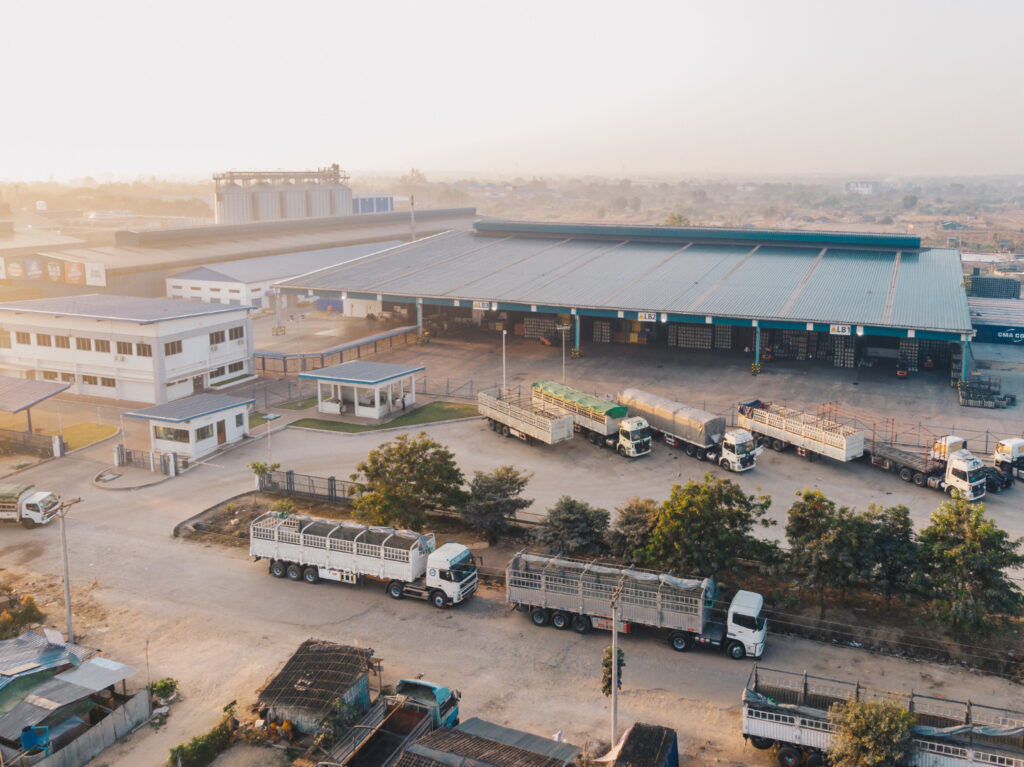
Introduction
A private freight terminal is a logistics facility that is developed, owned, and operated by a private company to handle the movement of cargo through railway networks. These terminals connect trains, trucks, and storage facilities, allowing goods to be transferred efficiently between different modes of transport. Instead of relying entirely on government-run freight yards, businesses can use or build private terminals that are designed specifically for their cargo handling needs.
In recent years, private freight terminals have become increasingly important in modern logistics and transportation. Global trade continues to grow, and companies are moving larger volumes of goods across long distances. This growth creates pressure on existing transport infrastructure, especially public rail terminals and busy ports. Private terminals help ease that pressure by providing additional capacity and more flexible cargo handling options.
Another reason for the rise of private freight terminals is the growing need for efficient cargo movement between rail, road, and storage facilities. When goods move smoothly from trains to trucks and into warehouses, companies can reduce delays and control costs. These terminals make it possible to manage cargo flow in a more organized and predictable way.
Private freight terminals are different from traditional public freight terminals in several ways. Public terminals are usually operated by government railway authorities and are designed to serve a wide range of industries. Private terminals, on the other hand, are often built to meet the specific requirements of a particular company or sector. This allows for specialized equipment, dedicated infrastructure, and customized operations that match the needs of the business.
In this article, readers will learn how a private freight terminal works, what infrastructure supports its operations, and why these facilities are becoming essential parts of modern supply chains. The article will also explore the benefits of private terminals, the industries that rely on them, the policies that guide their development, and how they help improve transportation efficiency around the world.
What a Private Freight Terminal Is and How It Works
A private freight terminal functions as a connection point between the railway system and other parts of the transportation network. Its main purpose is to allow cargo to move smoothly between trains, trucks, and storage facilities. These terminals often operate as logistics hubs where goods are received, handled, stored, and then dispatched to their next destination.
In many cases, a private company develops the terminal on land it owns or leases. The company then builds the necessary rail tracks that connect the facility to the main railway network. Once the connection is approved by the railway authority, trains can enter the terminal to load or unload cargo.
When a train arrives at a private freight terminal, cargo is transferred using specialized equipment or loading systems. Goods may move directly from train wagons to trucks, or they may be temporarily stored in warehouses before being distributed further. The process is designed to minimize delays and keep cargo moving efficiently.
Because these terminals are privately managed, companies often have greater control over scheduling and operations. They can plan train arrivals, cargo handling times, and truck movements according to their own logistics requirements. This flexibility is one of the reasons many industries prefer private freight terminals over relying solely on public facilities.
The Infrastructure That Powers a Private Freight Terminal
The effectiveness of a private freight terminal depends heavily on the infrastructure built within the facility. These terminals are designed to handle large volumes of cargo while ensuring smooth movement between rail and road transport.
One of the most important components is the railway track system within the terminal. This includes sidings where trains can stop for loading and unloading. The tracks must be carefully designed and built according to railway engineering standards so that they can safely connect with the national rail network.
Warehouses are another key element of a private freight terminal. These storage spaces allow goods to be temporarily held before they are transported further. Warehouses can also support sorting, packaging, and inventory management, depending on the needs of the business.
Loading and unloading equipment plays a major role as well. Different types of cargo require different handling systems. Bulk materials such as coal, minerals, or grain may be handled using mechanical unloading systems. Containerized goods often rely on cranes or forklifts to move cargo between rail wagons and trucks.
Many private freight terminals also include weighbridges, parking areas for trucks, and office facilities for logistics management. Together, these infrastructure elements create a complete environment for managing the flow of goods.
Key Functions of Private Freight Terminals in Modern Logistics
In modern logistics networks, private freight terminals perform several important functions that support efficient transportation and supply chain operations.
One of their primary roles is cargo transfer. These terminals allow goods to move easily between trains and trucks, making them essential points in intermodal transportation. By connecting different transport modes, private terminals help companies deliver goods over long distances more efficiently.
Another function is cargo consolidation and distribution. Goods arriving from different locations can be grouped together at the terminal before being sent to their next destination. This process helps companies optimize transportation routes and reduce shipping costs.
Private freight terminals also support storage and inventory management. Businesses can temporarily store goods within the terminal before distributing them to warehouses, factories, or retail locations. This provides flexibility in managing supply and demand.
In addition, these terminals often serve as operational hubs for companies that rely heavily on rail transport. By managing freight operations in one central location, businesses can monitor shipments more closely and respond quickly to logistical changes.
How Private Freight Terminals Improve Supply Chain Efficiency?
Supply chain efficiency depends on how smoothly goods move between different stages of transportation and storage. Private freight terminals play a major role in improving this process.
One of the most significant benefits is reduced transportation delays. When companies rely only on public terminals, they may face congestion or scheduling limitations. Private terminals allow businesses to handle cargo on their own schedules, which can speed up loading and unloading operations.
Another advantage is better coordination between rail and road transport. By bringing these two modes together in one location, private freight terminals reduce the time goods spend waiting for transfer. This leads to faster delivery times and more reliable logistics planning.
Private terminals can also lower overall transportation costs. When cargo is handled more efficiently and routes are optimized, companies can reduce fuel consumption, labor expenses, and storage costs. Over time, these savings can significantly improve supply chain performance.
Because operations are managed privately, companies also gain greater visibility over their logistics processes. This makes it easier to track shipments, manage inventory, and respond quickly to unexpected disruptions.
Private Freight Terminals vs Public Freight Terminals
Although both private and public freight terminals serve the same basic purpose of handling cargo, there are several differences between the two.
Public freight terminals are usually operated by national railway authorities or government organizations. They are designed to serve a wide variety of industries and customers. Because they handle many types of cargo and large volumes of traffic, operations at public terminals can sometimes become congested.
A private freight terminal, on the other hand, is developed and operated by a private company or logistics provider. These terminals are often built with a specific business or industry in mind. As a result, their infrastructure and operations are tailored to meet particular cargo handling needs.
Private terminals typically offer greater operational flexibility. Companies can control scheduling, equipment usage, and logistics planning without depending entirely on public infrastructure. This flexibility often leads to faster cargo handling and improved efficiency.
However, public terminals still play an important role in national transportation systems. They provide access to rail freight services for businesses that may not have the resources to develop their own private facilities.
Industries That Rely on Private Freight Terminals
Many industries depend on private freight terminals to manage large volumes of goods and maintain efficient transportation systems.
The mining and energy sectors are among the biggest users of these terminals. Commodities such as coal, minerals, and petroleum products are often transported in large quantities by rail. Private terminals help these industries move bulk materials efficiently from production sites to processing plants or export ports.
The manufacturing sector also benefits from private freight terminals. Factories that produce steel, cement, chemicals, or construction materials often rely on rail transport to move raw materials and finished products. Having a dedicated terminal allows these companies to manage shipments more effectively.
Agricultural industries frequently use private freight terminals as well. Grain, fertilizer, and other agricultural products can be transported in large volumes through rail networks. Terminals provide facilities for storage, loading, and distribution.
In addition, logistics companies and large retailers increasingly rely on private freight terminals to support container transport and distribution operations.
Development, Policies, and Regulatory Requirements
Building a private freight terminal involves careful planning and compliance with transportation regulations. Because these terminals connect to national railway systems, they must meet strict engineering and operational standards.
Before construction begins, companies usually need approval from railway authorities. This approval ensures that the terminal’s rail connections are safe and compatible with the existing network. Detailed plans for track construction, signaling systems, and cargo handling equipment are often reviewed during the approval process.
In some countries, governments encourage the development of private freight terminals as part of broader logistics and infrastructure policies. These policies aim to increase freight capacity, reduce congestion at public terminals, and promote private investment in transportation infrastructure.
Developers must also follow safety regulations and environmental guidelines during construction and operation. This may include managing noise levels, controlling emissions, and ensuring safe handling of cargo.
Although the approval process can be complex, it helps ensure that private freight terminals operate safely and efficiently within the national transportation system.
The Role of Private Freight Terminals in Reducing Port and Rail Congestion
One of the major advantages of private freight terminals is their ability to reduce congestion in busy transportation networks.
Large ports and railway yards often experience heavy traffic as cargo moves in and out of the area. When too many shipments pass through the same facilities, delays can occur and logistics operations may slow down.
Private freight terminals help solve this problem by acting as additional logistics hubs located away from crowded ports or rail yards. Cargo can be transferred to these terminals for processing and distribution before continuing its journey.
By spreading freight operations across multiple locations, transportation networks become more balanced and efficient. This reduces waiting times for trains and trucks and helps maintain smoother cargo movement.
As global trade continues to grow, the role of private freight terminals in reducing congestion is becoming increasingly important.
Technology and Modern Innovations in Private Freight Terminal Operations
Technology is playing an increasingly important role in the operation of private freight terminals. Modern logistics systems rely on digital tools to improve efficiency, accuracy, and coordination.
Many terminals now use computerized logistics management systems to track cargo movement. These systems allow operators to monitor shipments in real time and manage scheduling for trains, trucks, and warehouse operations.
Automation is also becoming more common in cargo handling. Advanced equipment can move containers or bulk materials more quickly and safely than traditional manual methods. This reduces labor demands and speeds up terminal operations.
Digital documentation and electronic communication systems also help simplify freight management. By reducing paperwork and improving information flow, these technologies make it easier for companies to coordinate complex logistics activities.
As technology continues to evolve, private freight terminals are likely to adopt even more advanced systems that improve productivity and reduce operational costs.
Challenges and Considerations When Developing a Private Freight Terminal
Despite their many benefits, developing a private freight terminal can present several challenges.
One of the main challenges is the high initial investment required for construction and infrastructure. Building rail connections, warehouses, and cargo handling systems can require significant financial resources.
Land availability can also be a concern. Terminals need enough space for rail tracks, storage areas, truck movement, and operational facilities. Finding suitable land near railway networks may not always be easy.
Regulatory approval is another factor that developers must consider. Because these terminals connect to national rail systems, they must meet strict safety and engineering requirements.
Operational planning is equally important. Companies must ensure that the terminal is designed to handle the expected cargo volumes and future growth in transportation demand.
Careful planning and collaboration with railway authorities can help overcome these challenges and ensure the successful development of a private freight terminal.
The Future of Private Freight Terminals in Global Transportation
The importance of private freight terminals is expected to grow as global trade and transportation networks continue to expand.
Many countries are investing in rail infrastructure to improve the efficiency of freight transport. Private terminals will likely play a key role in supporting these improvements by providing additional logistics capacity.
As supply chains become more complex, businesses are seeking greater control over their transportation operations. Private freight terminals allow companies to manage logistics more efficiently and adapt quickly to changes in demand.
Environmental considerations are also encouraging the use of rail freight, which is often more energy efficient than road transport for long-distance shipping. Private terminals can help facilitate this shift by making rail transport more accessible and convenient.
With continued investment and technological innovation, private freight terminals are likely to become even more important components of global transportation systems.
Conclusion
A private freight terminal is a privately developed logistics hub that connects railway networks with road transport and storage facilities. These terminals play a crucial role in moving cargo efficiently between different parts of the transportation system.
By offering specialized infrastructure, flexible operations, and improved cargo handling processes, private freight terminals help companies manage their supply chains more effectively. They support industries that depend on high-volume transportation and provide additional capacity to national logistics networks.
As trade continues to grow and transportation systems become more complex, private freight terminals are becoming essential infrastructure for modern supply chains. Their ability to reduce congestion, improve efficiency, and support advanced logistics operations makes them valuable assets in global freight transportation.
Looking ahead, the role of private freight terminals will likely continue to expand as businesses and governments work together to build faster, more efficient, and more sustainable logistics networks.
FAQs
What is a private freight terminal?
A private freight terminal is a logistics facility built and operated by a private company where cargo is loaded, unloaded, stored, and transferred between trains, trucks, and warehouses.
How is a private freight terminal different from a public freight terminal?
Public freight terminals are managed by government railway authorities, while private freight terminals are owned and operated by private companies for more flexible and specialized logistics operations.
Why are private freight terminals important in logistics?
They improve supply chain efficiency by reducing delays, allowing faster cargo transfer between transport modes, and easing congestion at busy rail yards and ports.
Which industries use private freight terminals the most?
Industries such as mining, manufacturing, agriculture, construction materials, and large logistics companies commonly use private freight terminals for transporting high-volume cargo.
Can companies build their own private freight terminal?
Yes, many companies can develop private freight terminals, but they must follow railway regulations, engineering standards, and obtain approval to connect the facility to the national rail network.