
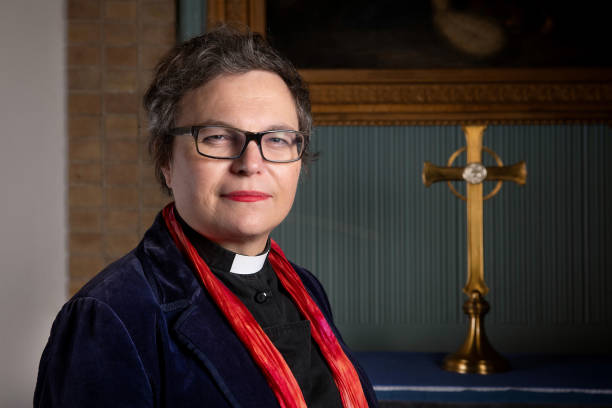
Rachel Mann is a British Anglican priest, poet, author, and broadcaster whose voice and work bridge the worlds of faith, literature, and inclusive community engagement. Best known for her leadership role in the Church of England and her compelling writings on spirituality, gender, and identity, Rachel Mann has become an influential figure in both religious and cultural conversations. In this article, you’ll learn about her early life, career path, personal philosophy, contributions, media presence, and the lessons her journey offers to readers today.
Early Life and Background
Rachel Mann was born on February 27, 1970, in Worcestershire, England, and grew up in the village of Hartlebury. From a young age, she showed a deep curiosity about the world, a quality that later shaped her academic and spiritual pursuits. She attended Stourport‑on‑Severn High School before moving on to study philosophy at Lancaster University in the late 1980s and early 1990s.
Mann’s educational path was marked by a blend of intellectual inquiry and personal exploration. After completing her initial degree, she stayed on at Lancaster for postgraduate studies, including an M.A. and work toward a PhD in philosophy. During these years, she also served as a teaching fellow, which gave her early experience in guiding others through complex ideas.
A defining period in Rachel’s life came with her transition, which she has discussed openly as part of her personal and spiritual journey. This experience helped shape both her sense of identity and her work, particularly in areas where faith and lived experience intersect.
Beyond philosophy, Mann pursued further academic interests, including theological study and creative writing. She trained for ordained ministry at Queen’s College, Birmingham, and later earned an M.A. in creative writing and completed a PhD exploring literature and theology. These diverse academic experiences laid the groundwork for her later work as both a priest and a writer.
Career Journey and Achievements
Rachel Mann’s professional journey is both rich and varied, encompassing ministry, writing, and public engagement. After completing her theological training, she was ordained as a deacon in the Church of England in 2005 and became a priest the following year. Over time, she took on roles that combined pastoral care with leadership responsibility.
In 2023, Rachel Mann made history when she was appointed Archdeacon of Bolton and Salford in the Diocese of Manchester. This role is a senior position within the Church of England and involves supporting clergy, overseeing church life, and helping guide the church’s mission in local communities. Her appointment has been widely noted as a meaningful step for inclusion and representation within the Church.
Alongside her ecclesiastical work, Mann has built a significant reputation as a writer. She is the author of more than a dozen books that span poetry, theology, and reflections on life and faith. Her poetry collections, such as A Kingdom of Love, have received critical praise, and her writing often brings together spiritual insight with personal experience.
Some of her works have been shortlisted for notable awards. For example, her poetry collection Eleanor Among the Saints was shortlisted for the T. S. Eliot Prize, one of the most respected awards in contemporary poetry. This recognition highlights her impact not only in religious writing but also in the wider literary world.
In addition to books, Rachel has written for major publications and contributed to newspapers and journals. Her voice as a commentator on modern faith and culture has made her a respected contributor in both religious and secular settings.
Personal Philosophy and Beliefs
At the heart of Rachel Mann’s work is a personal philosophy grounded in inclusion, compassion, and thoughtful reflection. As an Anglican priest, her understanding of faith is deeply rooted in tradition, yet she also embraces a modern, inclusive approach that speaks to diverse communities.
Mann’s own life experience — including her journey of gender identity and spiritual exploration — informs much of her perspective. She has spoken openly about the ways in which faith and identity intersect and how embracing authenticity can be a source of strength. Her reflections often emphasize empathy, dignity, and the importance of creating spaces where all people feel welcome.
In interviews and public talks, Rachel frequently touches on themes such as resilience in adversity, the beauty of vulnerability, and the power of community. Whether through her sermons, writings, or radio contributions, her voice encourages deeper thought about how spirituality and everyday life connect.
This philosophy also appears in her approach to ministry. For Mann, leadership is not about authority alone but about service and presence — listening, supporting, and walking alongside others through life’s challenges. This gentle yet steadfast grounding has helped shape her influence both within and beyond church walls.
Contributions and Impact
Rachel Mann’s contributions extend across several fields, from religious leadership to literature and public discourse. In her role as archdeacon, she supports parishes and clergy while also raising awareness of issues such as equality and inclusion within the church. Her presence in this senior position has been especially meaningful for LGBTQ+ individuals seeking representation in faith communities.
As a writer, Mann has produced works that resonate deeply with readers who face questions of identity, spirituality, and meaning. Her books often merge personal reflection with broader theological insight, inviting readers into a space of contemplation and wonder. The recognition her writing has received — including award nominations — underscores her influence in contemporary faith writing.
Beyond her own writing, Mann contributes to cultural and literary life through teaching and workshops. She has been a visiting teaching fellow at the Manchester Writing School and involved with Sarum College, where she helps nurture emerging writers and thinkers. Her work in literary education reinforces her belief in the transformative power of words and storytelling.
Her impact also reaches broader audiences through radio and media. Rachel regularly contributes reflections on BBC Radio, including Thought for the Day, and participates in discussions around faith and society. These appearances allow her voice to reach listeners across the UK and beyond.
Public Image and Media Presence
Rachel Mann’s media presence is marked by both depth and accessibility. Through regular appearances on BBC Radio programs, she shares short reflections that connect spirituality to everyday concerns. These moments bring her insights into millions of homes and deepen her engagement with audiences who might not otherwise encounter her work.
In addition to radio, Mann writes for national publications and speaks at events and festivals, where she explores themes of faith, identity, and culture. Her ability to communicate complex ideas in an approachable way has made her a respected voice in public discourse.
Online, her influence extends through articles, interviews, and discussions that showcase her perspectives on theology, poetry, and life. While she maintains a professional and thoughtful public image, her authenticity and openness also invite connection and conversation.
Lessons and Takeaways from Rachel Mann
Rachel Mann’s life and work offer several meaningful lessons for readers from all walks of life. One of the most powerful is the value of authenticity. Her journey shows how embracing one’s identity and experiences — even the challenging parts — can lead to greater clarity, purpose, and connection with others.
Another insight from her story is the importance of empathy. Whether in ministry, writing, or public speaking, Mann consistently emphasizes listening, compassion, and understanding. These qualities help her build bridges between diverse groups and foster spaces where people feel seen and valued.
Her career also illustrates the value of interdisciplinary engagement. By blending theology, literature, and cultural commentary, she invites readers to see how different fields can enrich one another. This integrative approach encourages curiosity and lifelong learning.
Ultimately, Rachel Mann’s journey is also a testament to perseverance. From academic study to spiritual leadership, her path reflects dedication, courage, and an openness to transformation. These themes resonate with anyone seeking to navigate their own questions of identity, purpose, and impact.
Conclusion
Rachel Mann’s journey from a small village in Worcestershire to becoming a senior leader in the Church of England and an acclaimed writer reflects both resilience and grace. Her work — in ministry, literature, and public engagement — has touched diverse audiences and sparked meaningful conversations about faith, identity, and belonging. By bringing her whole self to her roles, Mann has helped expand what it means to be a leader in faith and culture today.
Her story reminds us that personal authenticity, thoughtful reflection, and compassionate action can create lasting influence. Whether through her poetry, theological insight, or pastoral care, Rachel Mann continues to shape conversations about spirituality and human experience in ways that are both profound and accessible.
FAQs
Who is Rachel Mann?
Rachel Mann is a British Anglican priest, poet, and author known for her work on faith, identity, and literature.
What are Rachel Mann’s most famous works?
Her notable books include A Kingdom of Love and Eleanor Among the Saints, reflecting spirituality, poetry, and personal insight.
What is Rachel Mann’s role in the Church?
She serves as Archdeacon of Bolton and Salford in the Diocese of Manchester, a senior leadership position in the Church of England.
Has Rachel Mann received any awards?
Yes, her poetry has been recognized and shortlisted for awards like the T.S. Eliot Prize.
Where can I follow Rachel Mann’s work?
She contributes to BBC Radio, writes for publications, and maintains an official website showcasing her books and reflections.