
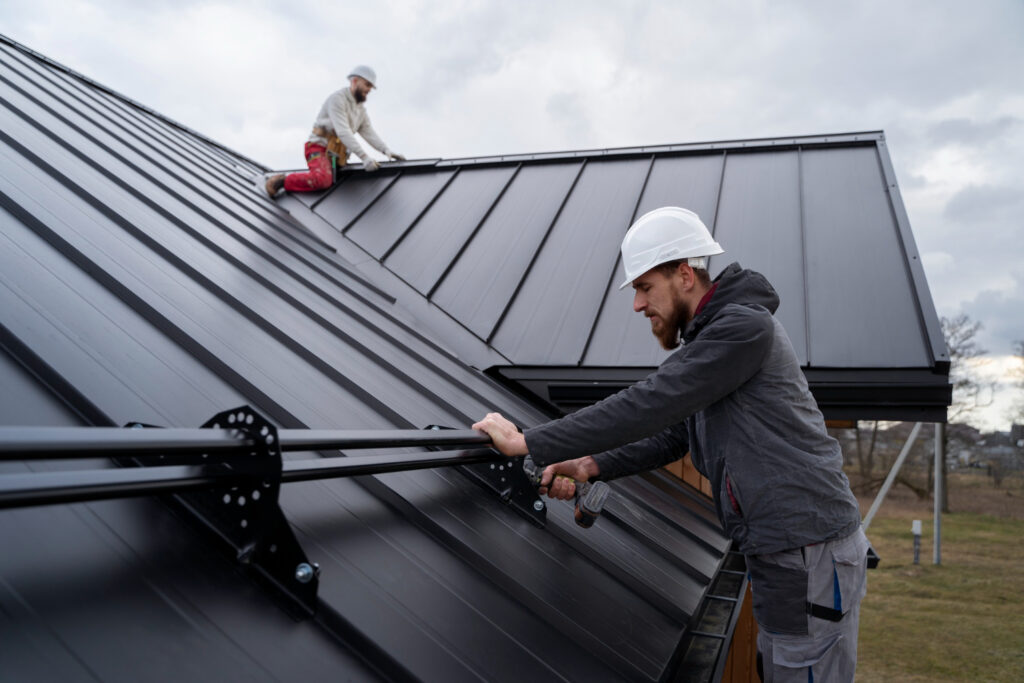
Home safety is not only about alarms and locks. The parts of your home that take the most abuse from weather and daily use can quietly become the biggest risk if they are ignored. Your roof protects everything underneath it, from your insulation to your electrical system. Your garage door is often the largest moving object in your home, and when it fails, it can create real hazards for people, pets, and vehicles.
The good news is that you do not need to be a contractor to make smart decisions here. With a little attention, you can spot early warning signs, plan repairs before they become emergencies, and keep your home safer year-round.
Roof Safety Starts With Early Repairs
NMSDC-certified roof repair support can be a smart starting point when you want reliable workmanship and clear communication, especially if you are trying to prevent small issues from turning into expensive structural problems. Roof issues rarely appear overnight. Most serious failures begin as small, easy-to-miss problems, then grow after repeated rain, wind, heat, and freezing temperatures. Addressing minor wear quickly helps prevent leaks, mold growth, damaged framing, and even electrical hazards when water finds its way into places it should never be.
Warning Signs Homeowners Often Miss
If you only look at your roof when something drips from the ceiling, you are already late. A few common clues can show up long before the leak becomes obvious.
- Shingles that look curled, cracked, or missing after a windy day
- Dark streaks or patches that suggest moisture is lingering
- Granules collecting in gutters, which can signal aging shingles
- Soft spots on the roofline, which may indicate trapped moisture underneath
- Water stains in the attic, especially around vents and chimneys
If you can safely view the roof from the ground, binoculars can help. If the pitch is steep or you are not comfortable with heights, keep the inspection visual and call a pro for anything that requires climbing.
Why Quick Fixes Sometimes Make Things Worse?
It is tempting to slap on roof cement or patch a spot with whatever sealant is in the garage. The problem is that many temporary fixes trap water or fail under UV exposure, causing the surrounding materials to degrade faster. Even a small patch can redirect water toward a seam or flashing area, which is where leaks love to hide.
A better approach is to focus on identifying the source of the issue and using the right repair method. In many cases, that means replacing damaged shingles, fixing flashing, and sealing penetrations correctly.
Roof Repair Priorities That Protect the Whole Home
Not all roof issues carry the same urgency, so it helps to know what to tackle first. These are the repairs that typically protect the structure and reduce safety risks fastest:
- Flashing Repairs Around Chimneys and Vents
Flashing failures are a top cause of leaks. If it is loose, rusted, or separated, water can enter with every storm. - Shingle Replacement in High-Wind Zones
Ridge caps, corners, and edges take more wind load. Damaged shingles there can turn into a larger tear-off quickly. - Attic Ventilation Checks
Poor ventilation can create moisture buildup in the attic, weakening wood and raising the risk of mold. - Gutter and Downspout Function
Overflowing gutters can cause water intrusion near the fascia and soffits, leading to rot and hidden structural damage.
If you handle these items proactively, you are not just preventing leaks. You are reducing slip hazards from hidden water damage and protecting electrical systems that do not mix well with moisture.
Reliable Roofing Habits That Reduce Risk Year-Round
Roof maintenance is not about constant work. It is about consistent habits that catch problems early and keep weather from creating unnecessary wear. A simple seasonal routine can save you money and prevent safety issues that show up when you least want them.
A Simple Seasonal Roof Checklist
Doing a few quick checks each season keeps you ahead of most major repairs.
- Spring: Look for winter damage, especially around valleys and flashing
- Summer: Watch for heat-related cracking and inspect attic ventilation
- Fall: Clear debris, check gutters, and prepare for heavy rain
- Winter: Monitor for ice dams and look for signs of attic condensation
Even if you only do a ground-level inspection, you will often spot missing shingles or sagging areas that need attention.
Why Tree and Debris Management Matters?
Overhanging branches scrape shingles, drop debris into valleys, and can puncture roofing during storms. Leaves and needles also trap moisture, encouraging moss and algae, which can shorten roof life and create slick surfaces for anyone who needs to access the roof later.
Trimming branches away from the roofline and keeping valleys clear helps the roof shed water as designed. It is a small step that can prevent a surprising amount of damage.
When to Call a Professional?
There is a point where DIY becomes a risk. If you notice widespread shingle loss, significant sagging, persistent leaks, or signs of structural moisture in the attic, it is time for a professional inspection. The goal is not only to fix the immediate issue, but to verify there is no hidden damage in the decking or framing.
Garage Door Maintenance That Keeps Your Home Safer
Garage doors are often overlooked because they still work. But a door can function while parts quietly wear down, and those worn parts can fail suddenly. A broken spring, misaligned track, or faulty safety sensor can create serious hazards.
A garage door also affects home security. If it does not close properly, it can create an easy entry point and leave your home vulnerable.
Garage Door Problems That Can Become Safety Hazards
Garage door issues tend to build over time. Here are the failures that most often lead to safety problems:
- Worn springs that can snap under tension
- Frayed cables that can whip or drop the door unevenly
- Misaligned tracks that cause jerky movement or door binding
- Old rollers that create loud grinding and unstable travel
- Sensor issues that prevent the door from reversing correctly
If the door slams shut, shakes during movement, or struggles to open, treat it as a warning sign rather than an annoyance.
Maintenance Steps You Can Do Without Special Tools
You do not need a full workshop to make your garage door safer. A few careful steps can improve reliability and reduce the odds of sudden failure.
- Test the Auto-Reverse Feature Monthly
Place a piece of wood on the floor and close the door. It should reverse when it touches the object. - Check the Photo-Eye Sensors
Wipe them clean and confirm both are aligned. If the lights blink, alignment may be off. - Listen for New Sounds
New squeaking, popping, or grinding usually means friction or loosening hardware. - Inspect Rollers and Hinges
Look for cracks, wobble, or excessive wear. Tighten loose bolts carefully. - Lubricate Moving Parts Properly
Use a garage-door-rated lubricant on rollers, hinges, and springs, avoiding heavy grease that attracts dirt.
Avoid adjusting torsion springs yourself. Springs are under heavy tension, and spring work is one of the most dangerous garage door tasks for a homeowner.
Choosing the Right Help for Repairs and Upgrades
If you need parts replaced or the system feels unsafe, professional service can prevent bigger issues and ensure the door is balanced and aligned. When you are ready to explore inspection or repair options, you can visit the http://dlouhygaragedoorrepair.com/ website to schedule a service, request a quote, or learn more about how to keep your garage door in top condition. Having a reliable reference point makes it easier to act quickly when a small issue turns into a real problem.
Build a Simple Safety Routine You Will Actually Follow
The safest homes are rarely the ones with the newest materials. They are the ones where the owner pays attention and fixes small problems before they turn into expensive, stressful surprises. A roof that sheds water properly and a garage door that operates smoothly reduce the risk of accidents, structural damage, and security gaps.
If you want a simple way to stay consistent, set reminders at the start of each season. Spend 15 minutes looking for signs of roof wear and garage door issues, and take notes when something changes. That small habit can save you from emergency repairs and give you more confidence that your home is protected in the moments that matter most.