
Introduction
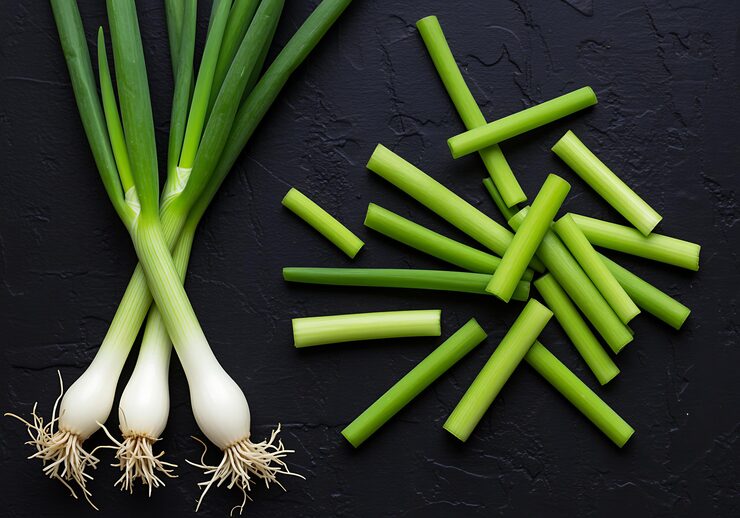
Scallions, also known as green onions, are a versatile and flavorful ingredient found in kitchens around the world. Recognizable by their long, slender white bases and hollow green tops, scallions have a mild onion flavor that works well in both raw and cooked dishes. Unlike regular onions, scallions do not form large bulbs, which gives them a unique texture and makes them easier to use in a variety of recipes.
From Asian stir-fries to Latin salsas, scallions are a staple in many cuisines. Their gentle flavor enhances dishes without overpowering other ingredients, making them a favorite for home cooks and professional chefs alike. Whether used as a garnish, in sauces, or cooked into a main dish, scallions bring freshness, color, and a subtle punch of onion flavor to meals.
What Are Scallions and How Do They Differ From Other Onions
Although scallions are often called green onions or spring onions, there are subtle differences worth noting. Scallions typically have a small white base and long green tops. In contrast, spring onions may develop a slightly larger bulb, and green onions are often used interchangeably with scallions in cooking, though some culinary sources distinguish them by size and flavor intensity.
The white base of the scallion has a more pronounced onion taste, while the green tops offer a milder, grassy flavor. Both parts are edible, but they are used differently in the kitchen. The base is ideal for sautés and cooking, while the greens are perfect for garnishes, salads, and adding a fresh touch to finished dishes. Understanding these differences helps you use scallions more effectively in recipes and ensures the right balance of flavor and texture.
Culinary Uses of Scallions
Scallions are incredibly versatile in the kitchen, working well both raw and cooked. When used raw, they add crispness and a fresh, oniony flavor to salads, salsas, soups, and noodle dishes. Thinly sliced green tops are perfect for garnishing, providing a pop of color and a mild taste that complements other ingredients without overwhelming them.
Cooking scallions brings out a sweeter, mellower flavor. They are commonly sautéed as a base for stir-fries, added to roasted vegetables, or grilled whole for a smoky touch. Scallions are essential in many signature dishes. For example, scallion pancakes rely on the fresh taste and texture of scallions as the main flavor component, while scallion oil noodles highlight the subtle, aromatic qualities of this onion variety. The versatility of scallions makes them a key ingredient in kitchens around the globe, suitable for simple everyday meals or more complex dishes.
Nutritional Benefits of Scallions
Beyond their flavor, scallions are packed with nutrients while being low in calories. They are a rich source of vitamin K, which is important for bone health and proper blood clotting. Vitamin C in scallions helps support the immune system and acts as a powerful antioxidant, while vitamin A contributes to healthy vision.
Scallions also provide essential minerals such as folate, iron, and manganese, which play roles in metabolism, red blood cell production, and overall health. Additionally, they contain antioxidants like quercetin, which may help reduce inflammation and support heart health. The fiber in scallions aids digestion and promotes a healthy gut microbiome. Including scallions in your diet not only enhances flavor but also contributes to overall nutrition.
How to Store and Keep Scallions Fresh?
Keeping scallions fresh is easy when you use the right storage methods. One effective approach is to place them root-end down in a jar or glass with an inch or two of water. This setup can be kept in the refrigerator or on a sunny windowsill, with the water changed every couple of days. Covering the green tops loosely with a plastic bag in the fridge helps maintain humidity and freshness.
Another option is to wrap scallions in a slightly damp paper towel and store them in a plastic bag or container in the crisper drawer. It is important that the paper towel is damp, not wet, to prevent rotting. For long-term storage, scallions can be frozen for up to six months. However, frozen scallions are best used in cooked dishes, as they lose their crisp texture when thawed. These storage techniques ensure that scallions remain flavorful and ready to use whenever you need them.
Growing and Harvesting Scallions at Home
Growing scallions at home is simple and rewarding. One easy method is to regrow scallions from kitchen scraps. Place the white roots in a small jar of water and watch them sprout new green tops in just a few days. For longer-term growth, plant scallions in soil with good drainage, provide adequate sunlight, and water regularly.
Scallions thrive in loose, nutrient-rich soil and prefer moderate sunlight. They grow quickly and can be harvested repeatedly by snipping the tops and allowing the base to regrow. Growing your own scallions ensures a fresh, steady supply for cooking while reducing waste and connecting you to the ingredients in your kitchen.
Cooking Tips and Flavor Pairings
To get the most out of scallions, consider how they pair with other ingredients and how they are prepared. Scallions complement a wide range of proteins, including chicken, beef, fish, and tofu, as well as vegetables and grains. Using the white base at the start of cooking helps build flavor, while adding the green tops at the end preserves their freshness and mild taste.
When cooking scallions, avoid overcooking them, as this can make them lose their delicate flavor and texture. Quick sautés, brief roasting, or light grilling enhance their natural sweetness while maintaining their crispness. Scallions can also be blended into sauces, incorporated into dips, or sprinkled over finished dishes to add a final burst of flavor. These simple techniques ensure scallions shine in every meal.
Conclusion
Scallions are more than just a garnish—they are a versatile, flavorful, and nutritious ingredient that can elevate everyday dishes. With their mild onion flavor, ease of use, and wide culinary applications, scallions are a staple for home cooks and professional chefs alike.
Whether used raw to brighten salads or cooked to add depth to stir-fries and sauces, scallions bring both taste and nutrition to your meals. Growing them at home, storing them properly, and experimenting with creative pairings can make scallions an essential part of your kitchen routine. By incorporating scallions into everyday cooking, you can enjoy their fresh flavor, health benefits, and effortless versatility.
FAQs
Are scallions and green onions the same?
Yes, most of the time they are used interchangeably, but scallions usually have smaller white bases and milder flavor.
Can I eat both the white and green parts of scallions?
Absolutely. The white part is more oniony and great for cooking, while the green tops are milder and perfect for garnishing.
How long do scallions stay fresh?
Stored properly in the fridge, scallions last 1–2 weeks. Freezing can extend their life up to 6 months, but only for cooked dishes.
Can scallions be regrown at home?
Yes! Place the root end in water, and green tops will regrow in a few days. Plant them in soil for longer growth.
What dishes are scallions best for?
Scallions work well in stir-fries, soups, salads, salsas, grilled dishes, and signature items like scallion pancakes.