Introduction
A silk hair wrap is a soft head covering made from silk fabric that protects your hair while you sleep. It gently covers your hair to reduce rubbing against pillows and sheets. Unlike cotton, which can pull moisture from your strands, silk creates a smooth surface that helps your hair stay hydrated and protected throughout the night.
In recent years, the silk hair wrap has become an essential part of modern hair care routines. As more people focus on healthy hair rather than quick styling fixes, overnight protection has gained attention. Many now understand that what happens while you sleep can affect how your hair looks and feels the next day. Friction, dryness, and tangling often happen overnight, and this is where a silk hair wrap makes a noticeable difference.
One of the biggest benefits of using a silk hair wrap is frizz control. By reducing friction, silk helps prevent the rough texture and flyaways that many people struggle with in the morning. It also supports moisture retention, keeping natural oils where they belong — inside your hair. Over time, this can help reduce breakage and split ends, which are often caused by dryness and constant rubbing.
Almost anyone can benefit from using a silk hair wrap. It is especially helpful for people with curly, textured, dry, or damaged hair, but straight and fine hair types can also see improvements. Whether you wear your hair loose, braided, or styled in a blowout, this simple overnight habit can support healthier hair in the long term.
What Is a Silk Hair Wrap and How Does It Work?
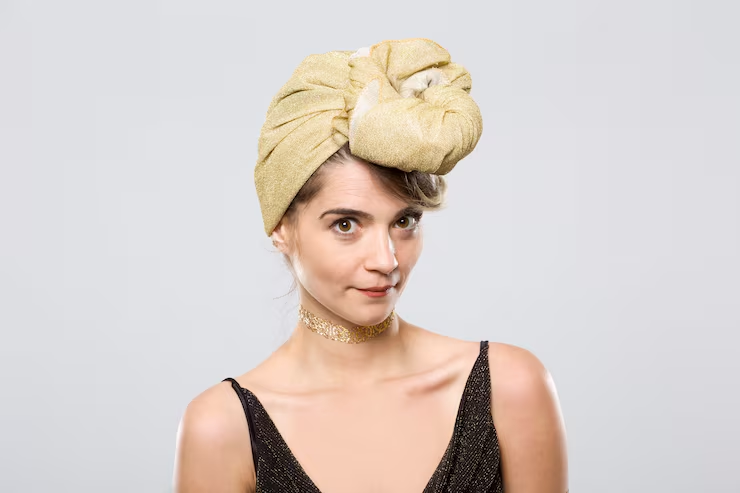
A silk hair wrap is usually designed as a bonnet, scarf, or turban-style cap made from silk fabric. It fits comfortably around the head and holds the hair in place while you sleep. Some designs are loose and roomy, while others are more fitted. The goal is the same: to create a protective layer between your hair and your pillow.
To understand how a silk hair wrap works, it helps to think about friction. When you move during sleep, your hair rubs against your pillowcase. If the pillowcase is made from cotton or another rough fabric, this rubbing creates friction. Friction can lift the outer layer of the hair strand, known as the cuticle. When the cuticle becomes rough or raised, hair looks frizzy and feels dry.
Silk has a naturally smooth surface. This smoothness reduces friction and allows hair to glide rather than snag. Because of this, the hair cuticle stays flatter and smoother. This is one of the main reasons why people notice less frizz after using a silk hair wrap regularly.
Another important factor is moisture. Cotton is highly absorbent. When your hair rests against a cotton pillowcase, the fabric can absorb natural oils and any products you applied before bed. Silk, on the other hand, is far less absorbent. It helps your hair retain its natural moisture, which is key to shine and strength.
This combination of reduced friction and better moisture balance explains why a silk hair wrap has become a trusted tool for protecting hair overnight.
Core Benefits of Using a Silk Hair Wrap Overnight
Using a silk hair wrap overnight offers several noticeable benefits. The first is frizz reduction. Since silk allows hair to glide smoothly, there is less static and fewer flyaways. Many people find that their hair looks smoother and more manageable in the morning.
Moisture preservation is another major advantage. Healthy hair needs moisture to stay flexible and strong. When hair becomes too dry, it is more likely to snap or split. A silk hair wrap helps keep hydration locked in, especially if you apply a leave-in conditioner or hair oil before bed. Over time, this can improve shine and softness.
Breakage prevention is closely linked to both friction and moisture. When hair rubs against rough surfaces and loses moisture, it becomes weaker. Repeated stress can lead to breakage and split ends. By reducing these stress factors, a silk hair wrap supports stronger strands.
There is also protection from mechanical damage during sleep. Many people toss and turn at night. Hair can become tangled, stretched, or caught under the body. A silk hair wrap keeps the hair gathered and secure, reducing unnecessary pulling. This is especially helpful for longer hair or textured styles that are more prone to tangling.
Over weeks and months, these small nightly improvements can add up. The hair may feel smoother, appear shinier, and require less daily repair.
Why Fabric Choice Matters?: Silk vs. Satin vs. Cotton
When choosing a silk hair wrap, it is important to understand the difference between silk, satin, and cotton. Although they may look similar, they are not the same.
Silk is a natural fiber produced by silkworms. It has a smooth texture and a soft feel. Because it is a natural material, it is breathable and gentle on the hair. Many high-quality wraps use 100% mulberry silk, which is known for its fine, smooth threads.
Satin is not a fiber but a type of weave. Satin can be made from silk, polyester, or other materials. While satin may feel smooth, it is often made from synthetic fibers. These synthetic materials can still reduce friction, but they may not offer the same breathability or moisture balance as pure silk.
Cotton is widely used in bedding because it is durable and easy to wash. However, cotton fibers are rougher compared to silk. Cotton is also very absorbent. This means it can pull moisture away from the hair, leaving it dry and more prone to frizz.
In terms of moisture absorption, silk absorbs far less than cotton. Satin made from synthetic fibers also absorbs less than cotton but may trap heat. For people with sensitive scalps or those who value natural materials, silk often feels more comfortable.
The best fabric depends on your needs and budget. If you want maximum smoothness and breathability, a silk hair wrap made from high-quality silk is usually the preferred option.
How Silk Hair Wraps Support Different Hair Types?
A silk hair wrap is not limited to one specific hair type. It can support a wide range of textures and styles.
For curly and coily hair, maintaining moisture is especially important. These hair types are naturally drier because oils from the scalp take longer to travel down the strands. A silk hair wrap helps reduce moisture loss and preserves curl definition. Many people with curls find that their styles last longer and require less refreshing in the morning.
Straight and fine hair can also benefit. Fine hair is often delicate and more likely to break. The smooth surface of silk reduces stress on these fragile strands. Straight hair may also appear shinier because the cuticle remains smooth overnight.
Chemically treated or color-treated hair needs extra care. Bleaching, dyeing, and other treatments can weaken the hair structure. A silk hair wrap provides gentle protection that supports recovery and reduces additional damage. It helps preserve the look of freshly colored hair by reducing dryness and dullness.
Protective styles such as braids, twists, and blowouts also benefit from overnight coverage. A silk hair wrap keeps styles in place and reduces frizz at the edges. This means less restyling and less daily heat use, which can further protect the hair.
Because it supports different needs, a silk hair wrap can fit into almost any hair care routine.
Choosing the Right Silk Hair Wrap in 2026
In 2026, there are more options than ever when it comes to selecting a silk hair wrap. Quality and design both matter.
One of the first things to look at is the material. Wraps made from 100% mulberry silk are often considered high quality because of their smooth texture and durability. Silk blends may be more affordable but might not provide the same level of softness or breathability.
The design also plays a role. Some wraps are single-layer, while others are double-lined. Double-lined designs can offer extra protection and durability. They may also feel more secure and structured.
Fit is another important factor. Adjustable bands help keep the wrap in place without feeling too tight. A secure fit ensures that the wrap stays on throughout the night, even if you move a lot.
Size matters as well. People with long, thick, or braided hair may need a larger wrap with more room. A snug but comfortable fit allows the hair to stay protected without being compressed.
Taking time to choose the right silk hair wrap ensures that you get the full benefit of overnight protection.
How to Wear a Silk Hair Wrap for Maximum Protection?
Wearing a silk hair wrap correctly makes a difference in how well it works. Before putting it on, make sure your hair is dry or slightly damp, not wet. Wet hair is more fragile and can stretch easily.
Gently gather your hair at the top or back of your head, depending on the style. Avoid pulling too tightly. Place the wrap over your hair and adjust it so that all strands are covered. The edges should sit comfortably around your hairline without pressing too hard on the scalp.
To keep it secure overnight, make sure the band fits snugly but not tightly. If the wrap is too loose, it may slip off. If it is too tight, it can cause discomfort or tension.
A common mistake is wrapping the hair too tightly or stuffing it into a small space. Hair should have room to rest naturally inside the wrap. Gentle placement helps maintain volume and reduces pressure on the strands.
With proper use, a silk hair wrap can become a simple and effective part of your nightly routine.
Caring for Your Silk Hair Wrap
To maintain the quality of your silk hair wrap, proper care is important. Silk is a delicate fabric and needs gentle handling.
It is best to wash your wrap with a mild detergent designed for delicate fabrics. Hand washing in cool water is often recommended. If you use a washing machine, choose a gentle cycle and place the wrap in a protective laundry bag.
After washing, avoid twisting or wringing the fabric. Gently press out excess water with a towel and let it air dry. Direct heat from a dryer can damage silk fibers and reduce softness.
Store your silk hair wrap in a clean, dry place. Avoid placing heavy objects on top of it, as this can cause creases.
Over time, even high-quality silk may show signs of wear. If the fabric becomes rough or thin, it may be time to replace it. Regular care helps extend its lifespan and maintain its smooth texture.
Common Myths About Silk Hair Wraps
There are several myths surrounding silk hair wraps. One common belief is that all smooth fabrics provide the same benefits. In reality, the type of fiber matters. True silk has natural qualities that synthetic fabrics may not fully match.
Another myth is that silk hair wraps are only for curly or textured hair. While they are very helpful for these hair types, they can benefit straight, fine, and treated hair as well.
Some people worry that silk wraps may feel too warm or uncomfortable. However, silk is breathable and lightweight. When properly fitted, it should feel soft and comfortable rather than heavy.
There is also a belief that silk is too delicate to last. While it does require gentle care, high-quality silk can be durable when maintained properly.
Understanding these facts can help you make a more informed decision about using a silk hair wrap.
Are Silk Hair Wraps Worth It? Understanding the Long-Term Value
When considering cost, some people hesitate to invest in a silk hair wrap. However, it is helpful to look at the long-term value rather than the initial price.
Healthier hair often means fewer split ends, less breakage, and less need for frequent trims. It can also reduce the need for daily styling tools. If your hair stays smoother overnight, you may spend less time using heat in the morning.
Over time, reducing friction and moisture loss can help maintain stronger strands. Preventing damage is usually easier and more affordable than repairing it later.
For many people, a silk hair wrap becomes a small but meaningful step in a larger healthy hair routine.
Conclusion
A silk hair wrap is more than just a nighttime accessory. It is a simple tool that supports healthier hair by reducing friction, preserving moisture, and protecting against breakage. By creating a smooth barrier between your hair and your pillow, it helps maintain shine, softness, and style.
Consistent overnight protection can make a visible difference over time. Whether your hair is curly, straight, treated, or styled, adding a silk hair wrap to your routine can support long-term hair health.
Choosing wisely and using it correctly allows you to make an informed decision based on your hair’s needs. With regular use and proper care, a silk hair wrap can become a reliable part of a balanced and thoughtful hair care routine.
FAQs
Is a silk hair wrap better than a satin bonnet?
Silk is a natural fiber and more breathable. Satin can also reduce friction, but silk usually offers better moisture balance and long-term comfort.
Can straight hair use a silk hair wrap?
Yes. A silk hair wrap benefits all hair types, including straight and fine hair, by reducing friction and preventing breakage.
How often should I wash my silk hair wrap?
It is recommended to wash it every 1–2 weeks, depending on product buildup and scalp oil levels.
Will a silk hair wrap stop frizz completely?
It significantly reduces frizz caused by friction, but overall hair health and humidity also play a role.
Can I wear a silk hair wrap with braids or curls?
Yes. Silk hair wraps help maintain braids, curls, and blowouts by protecting the style overnight.