Introduction
A silver crown tooth is a type of dental restoration used to protect and strengthen damaged teeth. Unlike fillings, which only repair part of a tooth, a crown covers the entire visible surface, offering complete protection. Silver crowns have been a trusted choice in dentistry for decades, particularly in situations where durability and cost-effectiveness are important.
Silver crowns are often chosen because they are strong, long-lasting, and able to withstand the pressure of chewing better than some other materials. They are commonly used for both children and adults, especially when a tooth has been severely decayed, cracked, or weakened after a root canal. While they are more noticeable than tooth-colored options, their reliability makes them a practical solution for many dental needs.
Whether you are considering a silver crown tooth for yourself or your child, understanding what it is, how it works, and what to expect can help you make an informed decision.
What a Silver Crown Tooth Is and How It Works
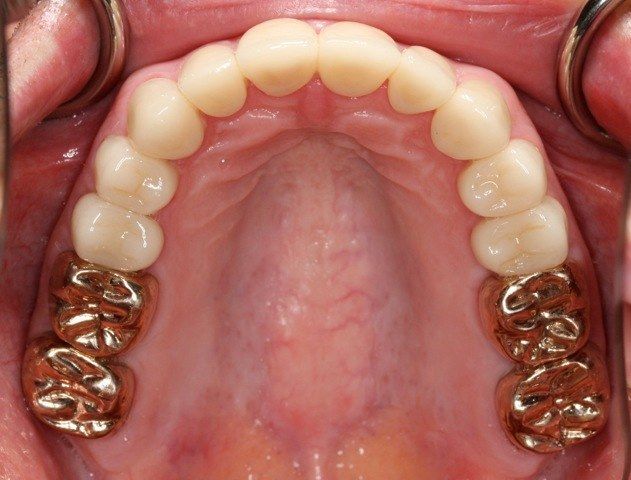
A silver crown tooth is a protective cap that a dentist places over a damaged tooth. Its main purpose is to restore the tooth’s shape, size, strength, and function. The crown fully covers the tooth above the gum line, preventing further decay and damage while allowing the tooth to continue functioning normally.
These crowns are typically made from a metal alloy that contains silver along with other metals like tin, copper, or palladium. Silver is chosen because it is highly durable, resistant to wear, and capable of withstanding the forces of chewing and grinding. Unlike crowns made entirely from porcelain or ceramic, silver crowns rarely chip or break.
When a silver crown is placed, it strengthens a tooth that might otherwise be too weak to handle daily use. It also helps maintain proper alignment in the mouth, preventing neighboring teeth from shifting. This protective function is especially important for molars, which bear the brunt of chewing pressure.
Benefits of Choosing a Silver Crown Tooth
One of the main advantages of a silver crown tooth is its durability. Silver crowns can last many years, often longer than porcelain or ceramic crowns, making them a reliable choice for teeth that require long-term protection. Their strength also makes them less likely to crack under pressure, which is particularly useful for people who grind their teeth or eat hard foods.
Another significant benefit is cost. Silver crowns are generally more affordable than other crown materials, making them a practical option for families or individuals on a budget. Their cost-effectiveness does not mean compromising on quality, as they still provide excellent protection and longevity.
Silver crowns are also versatile in terms of who can use them. Dentists often recommend them for children because they can withstand the wear and tear of chewing and help protect developing teeth. Adults with weakened or heavily filled teeth may also benefit from silver crowns. Overall, they offer a balance of strength, practicality, and accessibility.
The Procedure for Getting a Silver Crown Tooth
Getting a silver crown tooth usually involves two dental visits. During the first appointment, the dentist examines the tooth, removes any decay, and shapes it to make room for the crown. Then, an impression of the tooth is taken so the crown can be custom-made to fit perfectly. While the permanent crown is being created, a temporary crown may be placed to protect the tooth.
During the second visit, the temporary crown is removed, and the permanent silver crown is fitted. The dentist ensures the crown fits comfortably, aligns with the bite, and looks natural within the mouth. Once the fit is confirmed, the crown is cemented in place, providing full coverage and protection.
After the procedure, some mild sensitivity is normal, but most patients can return to normal activities immediately. Following the dentist’s aftercare advice, such as avoiding very sticky or hard foods for a short period, helps ensure the crown remains secure and lasts as long as possible.
Potential Risks and Considerations
While silver crowns are generally safe, there are a few potential considerations to keep in mind. Some people may have metal allergies or sensitivities, which could lead to irritation or discomfort. It’s important to discuss any known allergies with your dentist before choosing a silver crown.
Aesthetic concerns are another factor. Because silver crowns are metallic, they are more noticeable than tooth-colored options, which may be a concern for front teeth. However, they are often placed on molars or teeth that are less visible, minimizing cosmetic impact.
In cases where silver may not be suitable, alternatives like porcelain, ceramic, or gold crowns may be considered. These options offer different strengths, appearances, and price points, allowing patients to select the best fit for their needs and lifestyle.
How to Care for a Silver Crown Tooth?
Caring for a silver crown tooth is similar to caring for natural teeth. Brushing twice daily and flossing around the crown is essential to prevent decay at the edges and maintain gum health. Using a fluoride toothpaste can help strengthen the surrounding teeth and protect against cavities.
Certain foods should be consumed with caution. Very hard, sticky, or chewy foods can damage or loosen a crown if eaten excessively. Regular dental checkups are crucial, as dentists can monitor the crown, check for wear, and address any potential issues early. Proper care can help a silver crown tooth last many years, sometimes decades.
Comparing Silver Crowns to Other Types of Dental Crowns
Silver crowns offer several advantages over other crown types. They are stronger and more durable than porcelain or ceramic crowns, which can chip or break more easily. They are also more affordable than gold crowns, making them accessible for many patients.
However, silver crowns are less visually discreet than tooth-colored crowns, which may be important for front teeth. Porcelain and ceramic crowns offer a natural appearance but may not be as long-lasting under heavy chewing pressure. Gold crowns provide excellent durability but are more expensive.
Silver crowns are ideal for molars, teeth that endure significant chewing forces, and situations where cost or long-term reliability is a priority. They remain a practical and proven choice in many dental cases.
Conclusion
A silver crown tooth is a reliable and practical solution for protecting damaged or weakened teeth. Its durability, cost-effectiveness, and strength make it a popular choice for both children and adults. While there are some aesthetic and allergy considerations, proper care and regular dental visits ensure the crown provides long-lasting protection.
When considering a silver crown tooth, it’s important to weigh the benefits, understand the procedure, and maintain good oral hygiene. By making informed decisions, patients can enjoy the full advantages of this classic dental solution without compromising on comfort or function.
FAQs
How long does a silver crown tooth last?
With proper care, silver crowns can last 10–20 years or even longer, making them one of the most durable crown options.
Are silver crowns safe for children?
Yes, they are often recommended for children’s molars because of their strength and durability.
Do silver crowns look natural?
They are metallic and noticeable, so they are usually placed on back teeth rather than visible front teeth.
Can I have allergies to a silver crown?
Some people may be sensitive to metals. Discuss any allergies with your dentist before getting a silver crown.
How should I care for a silver crown tooth?
Brush and floss daily, avoid very hard or sticky foods, and visit the dentist regularly to maintain the crown