
Introduction
The term sport windsurf refers to a dynamic surface water sport that combines elements of both surfing and sailing. In windsurfing, participants stand on a specially designed board and control a sail attached to a rotating mast. By using the power of the wind, riders glide across the water with speed, balance, and precision. The sport offers a unique blend of excitement and skill, making it appealing to beginners and experienced athletes alike.
Windsurfing remains relevant today because it continues to evolve while staying accessible to a wide range of people. Unlike many extreme sports, it can be enjoyed at different skill levels, from relaxed cruising on calm water to high-speed racing and advanced wave riding. It also fits well into modern lifestyles that emphasize outdoor activity, fitness, and adventure.
Over the years, the sport windsurf has changed significantly. Improvements in equipment design have made boards lighter and more stable, sails more efficient, and learning much easier for beginners. Training methods have also become more structured, allowing new participants to build confidence quickly.
In this article, you will learn what defines sport windsurf today, how it developed over time, the main disciplines involved, and what equipment and skills are required. You will also discover how wind and water conditions shape the experience, along with the physical, mental, and social benefits that make windsurfing so rewarding.
What Defines Sport Windsurf Today?
Today, sport windsurf is defined by its combination of balance, movement, and wind control. At its core, the sport involves standing on a board while holding a sail that captures the wind. The rider adjusts the sail angle and body position to control speed and direction. While the concept sounds simple, mastering the coordination between body, board, and wind requires practice and patience.
The main components of sport windsurf include the board, the sail, the wind, and the rider’s coordination. The board provides flotation and stability, the sail generates forward motion, and the wind supplies the power. The rider’s role is to balance and guide the equipment smoothly across the water. These elements work together to create a fluid and engaging experience that feels both challenging and rewarding.
What makes sport windsurf especially unique is how it blends surfing and sailing into one activity. Like surfing, riders respond to water movement and body balance. Like sailing, they rely on wind direction and sail control. This combination gives the sport its distinctive character and wide appeal across different water environments.
A Quick Look at the Evolution of Sport Windsurf
The origins of sport windsurf can be traced back to the late twentieth century when innovators began experimenting with boards and sails designed for personal water travel. Early equipment was heavier and less stable, making the sport more difficult to learn. Despite these challenges, windsurfing quickly gained popularity because of its thrilling yet accessible nature.
Over time, designers introduced lighter materials and improved shapes for boards and sails. These developments made windsurfing easier to control and more enjoyable for beginners. Training programs also became more organized, helping learners develop skills in a structured way rather than relying solely on trial and error.
Modern technology has reshaped sport windsurf even further. Today’s equipment uses advanced materials that reduce weight while improving strength and performance. Innovations such as hydrofoil boards have opened new possibilities, allowing riders to glide above the water with less wind resistance. These changes have helped keep windsurfing fresh and relevant in today’s world of evolving water sports.
Core Disciplines in Sport Windsurf
Sport windsurf includes several disciplines, each offering a different style of riding. Freeride is the most popular and relaxed form, focusing on smooth cruising and enjoyment rather than competition. Many beginners start here because it allows them to build confidence in calm conditions.
Wave sailing is more advanced and involves riding ocean waves while performing jumps and turns. This discipline requires stronger winds and greater skill, making it attractive to experienced riders seeking excitement and challenge.
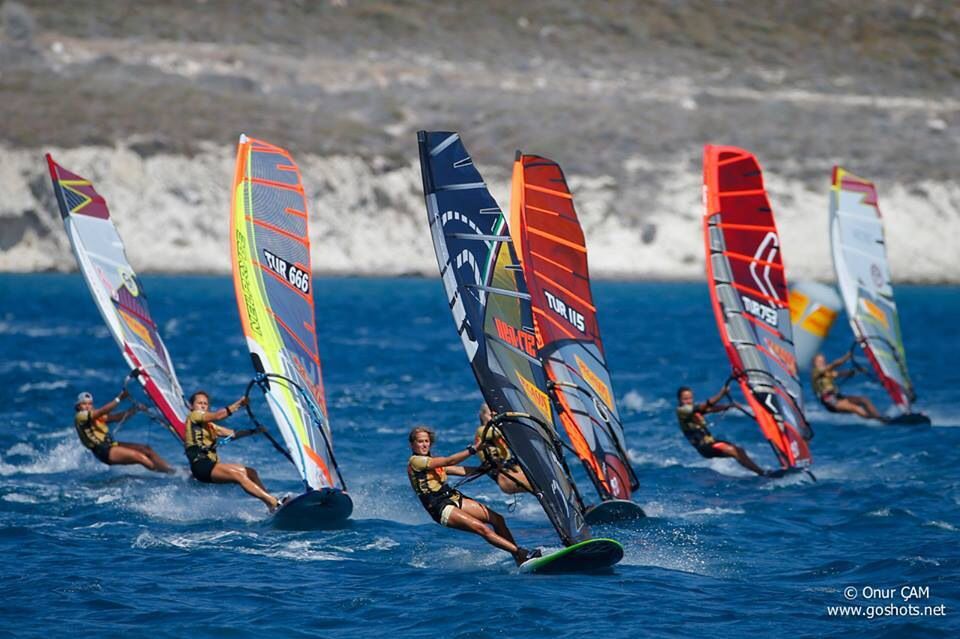
Slalom and racing formats highlight speed and strategy. Competitors navigate courses marked by buoys, pushing their skills to the limit in fast-paced environments. These events often showcase the technical precision and athletic ability that define high-level sport windsurf.
Freestyle windsurfing emphasizes creativity and performance. Riders perform spins, jumps, and other tricks, often in flat water where they can focus on technique. In recent years, foil windsurfing has gained attention for its innovative design, allowing boards to lift above the water and reach impressive speeds even in lighter winds.
Essential Equipment for Sport Windsurf
The equipment used in sport windsurf has evolved to support both beginners and advanced riders. Boards vary in size and shape depending on skill level and purpose. Beginners usually prefer wider boards with more volume because they offer better stability and easier balance. As skills improve, riders often choose smaller boards for greater speed and maneuverability.
The rig is another essential part of the setup. It includes the mast, boom, and sail. The mast supports the sail, while the boom acts as the control bar that riders hold onto while steering. The sail captures the wind and determines how much power is generated. Each part must work together smoothly to create an efficient riding experience.
Accessories also play an important role. Harnesses help distribute weight and reduce strain on the arms, making longer sessions more comfortable. Wetsuits provide warmth and protection in cooler water. Helmets and buoyancy aids are often recommended for safety, especially in challenging conditions.
Modern equipment has significantly improved the learning process in sport windsurf. Lighter materials and smarter designs make it easier to control movement and maintain balance, allowing beginners to progress more quickly while enjoying the experience.
Learning Sport Windsurf as a Beginner
For beginners, learning sport windsurf starts with choosing the right environment. Calm, shallow water with steady, light winds is ideal for building confidence. These conditions allow learners to focus on balance and sail control without feeling overwhelmed.
The first skills beginners learn usually include standing on the board, pulling the sail out of the water, and steering gently. Turning techniques such as tacking and jibing are introduced gradually as balance improves. These foundational skills help riders develop confidence before moving on to more advanced techniques.
Many beginners struggle with balance, sail control, or reading the wind during early sessions. These challenges are normal and can be overcome with patience and practice. Taking lessons from qualified instructors often speeds up progress because professional guidance helps learners avoid common mistakes.
With consistent practice and proper instruction, beginners can quickly discover why sport windsurf is both enjoyable and rewarding. The learning journey itself becomes part of the appeal, offering a steady sense of improvement and accomplishment.
Wind Conditions and Water Types That Shape the Sport
Wind plays a central role in sport windsurf, and understanding it is essential for success. Riders must learn how wind strength and direction affect movement and speed. Light winds are ideal for beginners, while stronger winds provide more excitement for experienced participants.
Water conditions also shape the riding experience. Flat water allows riders to focus on technique and speed, making it ideal for freestyle and beginner practice. Waves introduce new challenges and opportunities, requiring advanced balance and timing.
Seasonal and location-based differences also influence the sport. Coastal areas often offer consistent winds and waves, while lakes may provide calmer conditions suited for learning. These variations keep sport windsurf interesting and adaptable across different environments.
Physical and Mental Benefits of Sport Windsurf
Sport windsurf offers several physical benefits. It strengthens core muscles, improves balance, and enhances overall endurance. Because it involves continuous movement and coordination, it provides a full-body workout without feeling repetitive.
The mental benefits are equally important. Many participants describe windsurfing as calming and refreshing because it encourages focus and connection with nature. Being on the water can reduce stress and improve mood, making it both an exercise and a form of relaxation.
Beyond fitness, sport windsurf supports a lifestyle centered on outdoor exploration and adventure. Many enthusiasts travel to different locations in search of new experiences, creating lasting memories and friendships along the way.
Safety Awareness in Modern Sport Windsurf
Safety remains an essential part of sport windsurf. Riders of all levels should understand basic safety practices, including wearing protective gear and staying aware of surroundings. Knowing personal limits is also important for avoiding unnecessary risks.
Weather awareness plays a major role in safe windsurfing. Checking forecasts and understanding changing conditions help riders make informed decisions before entering the water. Strong winds, storms, or rough waves can quickly create dangerous situations.
Responsible riding also includes respecting other water users and following local guidelines. Practicing good etiquette ensures a positive experience for everyone while supporting the continued growth of sport windsurf.
Why Sport Windsurf Continues to Grow Worldwide?
The global growth of sport windsurf is driven by improved accessibility and innovation. Modern equipment has lowered the barrier to entry, allowing more people to try the sport without extensive experience. Training programs and rental centers have also expanded opportunities for beginners.
Sport windsurf appeals to people across different age groups because it offers flexible levels of intensity. Some enjoy relaxed cruising, while others pursue competitive racing or freestyle performance. This adaptability helps the sport remain inclusive and widely appealing.
Community also plays a strong role in its growth. Windsurfers often connect through clubs, events, and travel experiences. International competitions and gatherings continue to inspire new participants and showcase the excitement of the sport on a global stage.
Conclusion
Sport windsurf remains one of the most versatile and exciting water sports available today. It combines balance, movement, and wind control in a way that feels both challenging and enjoyable. From its early beginnings to modern innovations, the sport has continued to evolve while staying accessible to beginners and rewarding for experienced riders.
Its wide range of disciplines, supportive community, and physical and mental benefits make sport windsurf appealing to people from many backgrounds. Whether practiced casually or competitively, it offers a unique connection with nature and a strong sense of personal achievement.
For anyone interested in outdoor adventure and water-based activity, sport windsurf is worth exploring. With the right equipment, guidance, and patience, it can become a lifelong passion that brings both excitement and balance to everyday life.