
Introduction
Stracciatella is one of those Italian foods that immediately sparks curiosity, not just because of its taste but also because of its name. The word stracciatella literally means “little shred” in Italian, which hints at the unique texture shared by all its forms. While it might sound unfamiliar at first, most people recognize it in some way, whether as a creamy cheese, a comforting soup, or a chocolate-speckled gelato.
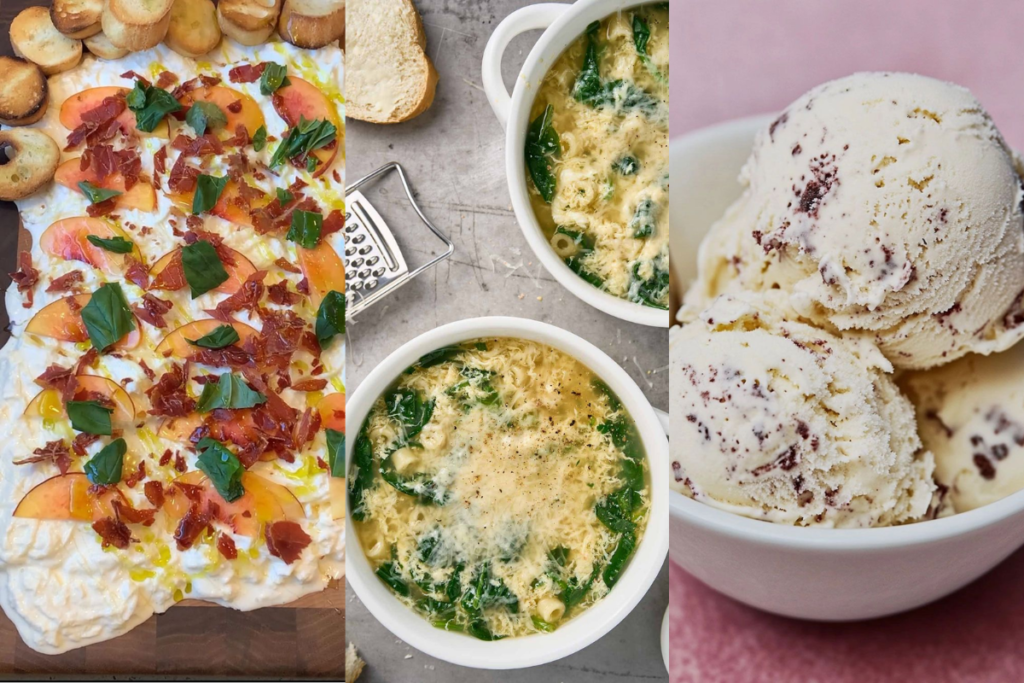
This delightful term refers to three distinct Italian treats. Stracciatella cheese is a soft, rich filling made from shredded mozzarella mixed with cream. Stracciatella soup, a classic Roman dish, features delicate ribbons of egg floating in hot broth. And stracciatella gelato offers a sweet, creamy ice cream speckled with fine chocolate shreds. Despite their differences, these dishes all share a connection to texture, tradition, and the joy of simple, quality ingredients. This article explores each variety, its origins, and how to enjoy stracciatella in everyday life.
What Makes Stracciatella Unique in Italian Cuisine?
The defining characteristic of stracciatella is its “shredded” or torn texture. Whether it appears as delicate threads of mozzarella in cheese, soft ribbons of egg in soup, or tiny flakes of chocolate in gelato, this texture creates a sensory experience that sets it apart from other foods. In each case, the shredded element contributes to the overall enjoyment, adding both visual appeal and a pleasing mouthfeel.
Beyond texture, stracciatella represents versatility. It can be served as a simple snack, a comforting meal, or a decadent dessert. Its unique consistency and subtle flavors make it a beloved choice in Italian kitchens, and it’s easy to see why. Stracciatella isn’t just about taste; it’s about the artistry of transforming simple ingredients into something visually striking and memorable.
Stracciatella Cheese: Creamy, Spoonable Burrata Filling
Stracciatella cheese is perhaps the most indulgent of the three varieties. It is made by shredding fresh mozzarella and mixing it with thick cream, resulting in a rich, creamy, and spoonable texture. This cheese is most famously used as the filling of burrata, where the outer shell of mozzarella encases the soft, buttery interior. The flavor is mild yet luxurious, with a slightly sweet, milky taste that melts in the mouth.
Enjoying stracciatella cheese is simple. It can be served on fresh bread or crostini, paired with ripe tomatoes and olive oil, or used to enrich pasta dishes. When buying fresh stracciatella, it’s best to choose cheese that is kept chilled and free from excess liquid. Because it’s highly perishable, consume it within a day or two of purchase to experience its full flavor and creamy texture. Proper storage involves keeping it in a sealed container in the refrigerator, ideally in its own whey or cream to maintain moisture.
Stracciatella Soup: The Classic Roman Egg-Drop Dish
Stracciatella soup, also known as stracciatella alla romana, has a long history in Rome. It’s a simple yet comforting dish made by whisking eggs with Parmesan cheese and herbs and slowly drizzling the mixture into hot broth. The result is delicate, feathery ribbons of egg that float gracefully in the clear soup, offering both a visual treat and a gentle, savory flavor.
The key to perfect stracciatella soup is careful preparation. The broth should be hot but not boiling, and the egg mixture must be added slowly while stirring, ensuring it forms tender strands rather than clumps. This soup is often served as a starter at family dinners or during colder months for a warming, homey meal. Pairing it with a slice of rustic bread enhances the experience, making it a dish that feels both nourishing and elegant.
Stracciatella Gelato: Chocolate Shreds in Creamy Ice Cream
Stracciatella gelato is perhaps the most widely recognized form of this Italian specialty, particularly among dessert lovers. Invented in the 1960s in Bergamo, Italy, it was inspired by the egg-drop soup. The technique involves drizzling melted chocolate into nearly frozen, creamy gelato, which solidifies instantly and breaks into fine, delicate flakes. This creates a texture reminiscent of the original meaning of stracciatella: little shreds dispersed throughout the smooth ice cream.
The flavor of stracciatella gelato is simple but indulgent. The milk-based ice cream is subtly sweet, providing a perfect backdrop for the slightly bitter crunch of high-quality chocolate. This gelato is versatile—it can be enjoyed on its own or paired with fruit, nuts, or even coffee desserts. For those making it at home, using chocolate with real cocoa butter ensures the flakes remain crisp and don’t melt into the cream too quickly.
How to Enjoy Stracciatella in Everyday Life?
Stracciatella can easily be incorporated into daily meals, offering a touch of Italian flair without requiring complicated preparation. The cheese can enrich pasta dishes, salads, or sandwiches. The soup makes a comforting starter or light dinner, especially on chilly days. Gelato is, of course, a sweet treat perfect for any time, whether as dessert after a family meal or a refreshing snack on a warm afternoon.
There are also regional and seasonal variations. Some southern Italian chefs may add herbs or truffles to stracciatella cheese, while others might flavor the gelato with a hint of vanilla or orange zest. Pairing stracciatella dishes with wine, fresh bread, or simple sides can elevate the experience, making it a versatile addition to both casual and special meals.
Common Mistakes to Avoid with Stracciatella
Despite its simplicity, stracciatella can be tricky if mishandled. Fresh cheese should never be left out for too long, as it loses its delicate texture quickly. When making stracciatella soup, overcooking the eggs can result in clumps rather than ribbons, ruining the signature look. For gelato, choosing low-quality chocolate may create a waxy texture instead of crisp, delicate flakes. Paying attention to these small details ensures the full flavor and experience of stracciatella is preserved.
Conclusion
Stracciatella is more than just a food; it’s a celebration of texture, tradition, and Italian craftsmanship. Whether you’re spooning creamy cheese onto fresh bread, savoring delicate ribbons of egg in a warm soup, or enjoying chocolate-speckled gelato on a summer day, each form offers a unique and satisfying experience. By exploring stracciatella in all its varieties, you gain an appreciation for the artistry behind even the simplest ingredients. Give it a try and discover why this “little shred” continues to delight taste buds across the world.
FAQs
What does stracciatella mean?
It means “little shred” in Italian, referring to the shredded or torn texture found in cheese, soup, and gelato.
How is stracciatella cheese different from mozzarella?
Stracciatella is the soft, creamy filling inside burrata, made from shredded mozzarella mixed with cream, giving it a rich, spoonable texture.
Can I make stracciatella soup at home?
Yes! Simply whisk eggs with Parmesan and slowly pour into hot broth, stirring to form delicate egg ribbons.
What makes stracciatella gelato special?
Melted chocolate is drizzled into nearly frozen milk-based gelato, instantly forming fine, crunchy chocolate flakes throughout.
How should I store stracciatella?
Cheese: keep chilled, ideally in its whey or cream. Soup: best eaten fresh. Gelato: keep frozen and serve cold.