Introduction
Stress rings around the eyes are a common concern for many people, yet they often go unnoticed until they become more pronounced. These rings can appear as subtle shadows, faint lines, or slight discoloration around the eye area. While they are sometimes mistaken for dark circles or early wrinkles, stress rings have a unique connection to both lifestyle habits and overall health.
Stress rings develop due to the body’s response to prolonged tension, lack of rest, and other daily pressures. They can signal that the body and mind are under strain, and while they are not usually harmful, they can affect how tired or worn out we look. Understanding why stress rings appear, what influences their intensity, and how to manage them can help you take practical steps to improve your eye health and overall well-being. In this article, we’ll explore what stress rings are, why they form, and simple, approachable ways to prevent and reduce their appearance.
Understanding Stress Rings Around the Eyes
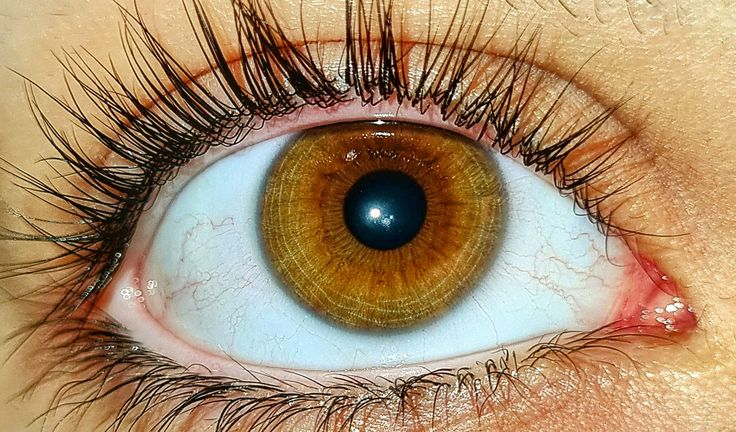
Stress rings around the eyes are distinct from dark circles or wrinkles, although they may sometimes overlap with these conditions. While dark circles are often caused by pigmentation or thin skin revealing underlying veins, stress rings are usually linked to tension and fatigue that affect the delicate tissues around the eyes. They can appear as faint shadows, subtle grooves, or slightly reddish or bluish discoloration that intensifies when the body is under stress.
One of the easiest ways to identify stress rings is to observe how they change with your lifestyle. They may become more noticeable after long periods of work, poor sleep, or heightened stress, and tend to fade when rest and self-care are prioritized. Common visual cues include mild puffiness, a dull or tired appearance around the eyes, and a faint ring-like shadow that circles the eyelids or the area just beneath them. Recognizing these early signs can help you respond before the rings become more persistent.
Causes of Stress Rings Around the Eyes
Stress rings develop because the body responds to tension in ways that are visible on the skin. Stress triggers the release of hormones such as cortisol, which can affect circulation, inflammation, and the health of skin cells. Over time, this can make the skin around the eyes appear thinner, darker, or slightly swollen.
Lifestyle factors play a major role. Irregular sleep patterns, excessive work hours, and inadequate relaxation can all intensify stress rings. Poor nutrition or dehydration can weaken the skin, making the rings more visible, while extended exposure to screens and digital devices can strain the eyes and contribute to shadowing or puffiness.
Certain health conditions can also make stress rings more pronounced. Allergies, chronic fatigue, or circulatory issues can accentuate the discoloration and puffiness around the eyes. While stress rings themselves are rarely a sign of a serious medical problem, they may reflect underlying factors that deserve attention, especially if they appear suddenly or worsen over time.
Daily Habits That Intensify Stress Rings
Sleep has a direct impact on the appearance of stress rings. Consistently getting fewer than the recommended hours of rest can lead to fluid retention, dark shadows, and a tired look that emphasizes the rings. Even short-term sleep deprivation can make them more visible.
Diet and hydration are equally important. A lack of essential nutrients, excessive salt intake, or dehydration can cause puffiness and discoloration, highlighting the stress rings. Staying hydrated and eating a balanced diet rich in vitamins and minerals helps the skin maintain its elasticity and resilience.
Screen time and eye strain are modern contributors to stress rings. Long hours in front of computers, smartphones, or other digital devices can cause fatigue in the eye muscles and reduce circulation around the eye area. This can deepen the appearance of stress rings and create a cycle of strain and visibility. Simple breaks and eye exercises can make a noticeable difference.
Simple Home Remedies and Lifestyle Adjustments
Managing stress rings starts with reducing overall stress and supporting eye health. Mindfulness practices, deep breathing exercises, or short meditation sessions can calm the nervous system and reduce cortisol levels, helping the skin recover naturally. Even a few minutes a day of focused relaxation can improve the appearance of stress rings over time.
Skincare routines can also play a helpful role. Using gentle moisturizers, eye creams with antioxidants, or cold compresses can soothe the delicate skin around the eyes and improve circulation. Applying creams in upward motions and being careful not to rub or pull the skin can prevent further irritation.
Eye care habits, like limiting prolonged screen exposure, using blue-light filters, and practicing regular eye stretches, can reduce strain and puffiness. Adequate lighting when reading or working, along with occasional breaks, supports both comfort and the reduction of stress-related eye changes.
When to Seek Professional Advice?
While stress rings are usually a cosmetic or lifestyle concern, there are instances where consulting a professional is advisable. If the rings appear suddenly, worsen rapidly, or are accompanied by other symptoms such as swelling, pain, or changes in vision, it may indicate an underlying health condition.
Healthcare professionals, such as dermatologists or general practitioners, can evaluate whether allergies, circulatory issues, or nutritional deficiencies are contributing factors. Eye specialists may also provide guidance on strain-related concerns. Seeking advice early can prevent complications and help tailor a treatment plan that addresses the root causes rather than just the appearance of the rings.
Prevention Strategies for Healthier Eyes
Long-term prevention of stress rings involves cultivating habits that support both mental and physical health. Prioritizing regular sleep, balanced nutrition, and consistent hydration is fundamental. Maintaining an active lifestyle and engaging in stress-relieving activities, such as walking, yoga, or creative hobbies, can reduce cortisol levels and help the skin recover.
Incorporating wellness practices into daily routines can make a significant difference. Even small changes, like taking short breaks during work, practicing deep breathing, or using supportive skincare, contribute to healthier eyes and a brighter appearance. Over time, these strategies reduce the recurrence of stress rings and support overall well-being.
Conclusion
Stress rings around the eyes are a natural response to the pressures of daily life. They differ from dark circles or wrinkles, signaling fatigue, tension, and lifestyle factors rather than just aging. By understanding their causes, recognizing contributing habits, and adopting practical lifestyle adjustments, it is possible to reduce their appearance and support eye health.
Focusing on consistent sleep, proper nutrition, stress management, and gentle eye care can make a noticeable difference. While professional guidance may be needed in some cases, most stress rings can be improved through mindful, everyday practices. With attention and care, it’s possible to manage stress rings effectively, promoting healthier eyes and a more refreshed appearance.
FAQs
Are stress rings around the eyes harmful?
Usually, stress rings are cosmetic and not harmful. They indicate fatigue or stress rather than a serious health issue.
How quickly can stress rings improve?
With proper rest, hydration, and stress management, noticeable improvement can occur within a few days to a couple of weeks.
Can poor diet make stress rings worse?
Yes, lack of nutrients, dehydration, and excess salt can intensify their appearance. A balanced diet helps reduce them.
Are stress rings permanent?
No, stress rings are usually temporary and fade with improved sleep, reduced stress, and eye care.
When should I see a doctor about stress rings?
If they appear suddenly, worsen rapidly, or are accompanied by swelling, pain, or vision changes, consult a healthcare professional.