Getting a tattoo is an exciting experience, but it’s only the first step in a longer journey. Proper tattoo aftercare is essential to ensure that your new artwork heals well, retains its color, and stays healthy over time. Neglecting aftercare can lead to infections, fading, or scarring, which can affect both the appearance and safety of your tattoo.
In this article, we will guide you through the entire aftercare process in clear, easy-to-understand steps. From understanding the healing stages to daily routines and long-term maintenance, you’ll get practical advice that keeps your tattoo looking its best for years to come.
Understanding the Tattoo Healing Process
After getting a tattoo, your skin begins a natural healing process that happens in several stages. The first stage, often called the initial stage, involves redness, swelling, and tenderness. This is your body’s response to the tiny needles that deposited the ink under your skin. Proper care during this phase is crucial to prevent infection and support healing.
Next comes the peeling stage. Your tattoo may start to flake or peel like a sunburn. This is completely normal and part of the skin regenerating itself. During this stage, gentle care is essential. Avoid picking or scratching the peeling skin, as this can damage your tattoo and slow healing.
Finally, the settling stage occurs as the skin fully recovers. The tattoo may appear slightly dull at first, but over a few weeks, the colors will settle and show their true vibrancy. Even at this point, continued attention to care, such as moisturizing and protecting the skin, helps maintain the quality of your tattoo for years to come.
Immediate Aftercare Steps (First 24–48 Hours)
The first day or two after getting a tattoo are critical. Right after your session, your tattoo artist will usually cover your tattoo with a protective bandage. This initial covering helps keep bacteria away and allows the skin to start healing. Removing the bandage at the right time, usually after a few hours, is important to prevent excessive moisture and irritation.
Cleaning your new tattoo gently is the next key step. Use lukewarm water and a mild, fragrance-free soap to wash the area. Pat the tattoo dry with a clean towel or paper towel; avoid rubbing, as this can irritate the skin.
During these first 48 hours, it’s important to avoid activities that might expose your tattoo to dirt, sweat, or friction. Refrain from swimming, hot tubs, or heavy exercise that causes excessive sweating. This period sets the foundation for proper healing and ensures your tattoo looks its best once fully healed.
Daily Tattoo Care Routine
After the first two days, a consistent daily routine becomes essential. Start by cleaning your tattoo once or twice a day with gentle soap and water. Keep the area clean but avoid over-washing, which can strip natural oils from your skin.
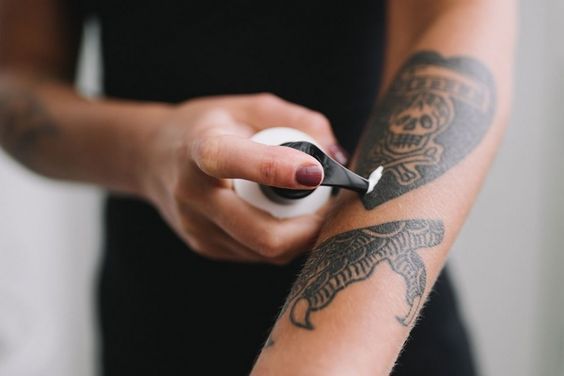
Moisturizing is equally important. Use a fragrance-free, hypoallergenic lotion or ointment recommended for tattoos. Applying a thin layer helps keep the skin hydrated and reduces itching or flaking. Avoid products that contain alcohol, dyes, or harsh chemicals, as they can irritate the tattoo.
During this stage, a hands-off approach is crucial. Refrain from picking, scratching, or rubbing your tattoo. Wear loose clothing over the area and avoid scratching even if it becomes itchy. Proper daily care helps your tattoo heal smoothly and ensures the colors remain vibrant.
Managing Common Tattoo Issues
Some redness, swelling, or minor scabbing is normal during the healing process. Itching is also common as your skin recovers. These reactions usually subside within a few days. However, it’s important to recognize warning signs that require attention. Persistent redness, unusual pain, pus, or swelling that worsens may indicate an infection and should be addressed by a medical professional immediately.
Preventing complications is mostly about following good hygiene and care routines. Keep your tattoo clean and moisturized, avoid tight clothing that rubs the area, and steer clear of sun exposure until the skin is fully healed. If you notice any unusual changes, contact your tattoo artist or a healthcare professional for guidance.
Long-Term Tattoo Maintenance
Even after your tattoo has healed, proper care is essential for maintaining its appearance. Sun exposure is one of the biggest threats to tattoo longevity. Ultraviolet (UV) rays can fade colors and damage the skin, so applying sunscreen with high SPF whenever your tattoo is exposed is highly recommended.
Lifestyle factors, such as hydration, diet, and skincare routines, can also affect how well your tattoo ages. Keeping your skin healthy with proper moisturization and avoiding smoking can help your tattoo remain vibrant over the years.
Periodic touch-ups may be needed for older tattoos, especially for larger pieces or those with intricate details. Consulting a professional tattoo artist ensures your artwork stays sharp and well-defined.
Myths and Misconceptions About Tattoo Aftercare
There are many myths surrounding tattoo aftercare that can lead to mistakes. For example, some people believe that using petroleum jelly or covering the tattoo excessively speeds up healing. In reality, over-applying ointment or keeping the tattoo wrapped too long can trap bacteria and slow the process.
Another common misconception is that scabbing should be scraped off. This can remove ink and cause scarring. Evidence-based aftercare practices, like gentle cleaning, light moisturization, and keeping the tattoo exposed to air after the first few hours, are far more effective for safe healing.
Understanding the difference between fact and myth helps protect your tattoo and ensures it heals beautifully.
Conclusion
Proper tattoo aftercare is more than just a routine—it’s an essential step in protecting your investment in your skin. Consistently following cleaning, moisturizing, and protective steps during the healing process ensures your tattoo heals safely, retains its color, and looks vibrant for years to come.
Patience and attentiveness are key. Every tattoo heals differently, so paying attention to your skin’s needs and avoiding common mistakes will make a noticeable difference in the final result. By investing a little care every day, you can enjoy a healthy, stunning tattoo that continues to be a source of pride and personal expression.
FAQs
How long does tattoo healing take?
Most tattoos heal in 2–4 weeks, but deeper or larger tattoos can take longer. Peeling and mild itching are normal during this time.
Can I shower with a new tattoo?
Yes, but avoid soaking. Use lukewarm water, gentle soap, and pat dry—don’t rub.
Should I apply ointment or lotion?
Yes, a thin layer of fragrance-free, tattoo-safe moisturizer helps prevent dryness and promotes healing. Avoid petroleum jelly long-term.
When should I see a doctor about my tattoo?
If you notice unusual redness, swelling, pus, or persistent pain, consult a medical professional immediately.
How do I prevent my tattoo from fading?
Keep it moisturized, avoid excessive sun, and use sunscreen after it has fully healed. Occasional touch-ups may be needed over the years.