
Introduction
A teen facial is a specialized skincare treatment designed for the unique needs of adolescent skin. Unlike adult facials, which often focus on anti-aging or deep exfoliation, teen facials prioritize gentle cleansing, acne prevention, and balancing oil production. During the teenage years, skin undergoes significant changes due to hormonal shifts, which can lead to breakouts, excess oil, and sensitivity. This makes it the perfect time to establish a proper skincare routine and incorporate professional treatments like teen facials.
Starting skincare early offers multiple benefits. It helps prevent severe acne, reduces the chances of long-term skin issues, and encourages healthy habits that can last a lifetime. A teen facial is not just a luxury; it’s a practical approach to keeping young skin clean, clear, and confident.
Understanding Teen Skin
Teen skin is different from adult skin in several ways. One of the most noticeable characteristics is increased oiliness. Sebaceous glands become more active during adolescence, producing more oil than adult skin. This can make the skin prone to acne, blackheads, and occasional breakouts. At the same time, teenage skin can be sensitive, reacting easily to harsh products or environmental factors.
Hormones play a crucial role in skin health during these years. Androgens, the hormones responsible for stimulating oil production, often rise during puberty, leading to clogged pores and blemishes. While these changes are natural, they can be frustrating for teens who want clear, smooth skin. Common skin concerns at this age include pimples, blackheads, whiteheads, and occasional irritation from products or sun exposure. Understanding these characteristics is the first step in choosing a suitable teen facial.
What Happens During a Teen Facial?
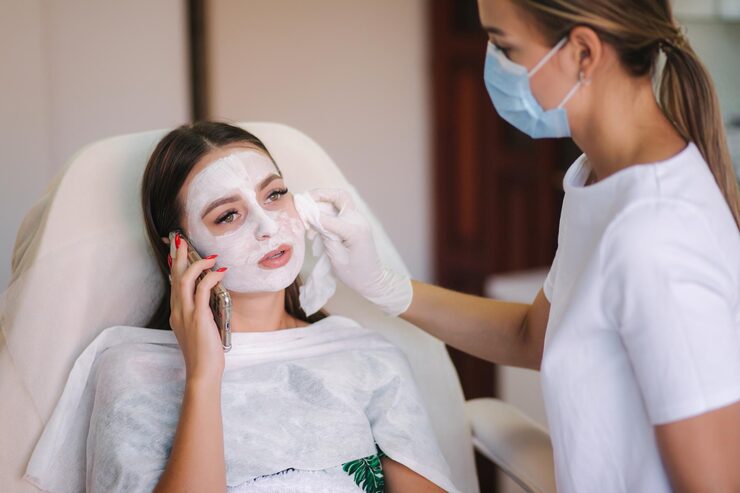
A teen facial is designed to be gentle yet effective, targeting the most common adolescent skin issues. Typically, a professional teen facial begins with a thorough cleansing to remove dirt, makeup, and excess oil. This is followed by a gentle exfoliation that removes dead skin cells without causing irritation. Steam may be used to open pores, making extractions easier and safer.
Professional techniques during a teen facial are tailored for young skin. Light massage can improve circulation, while calming masks help reduce redness and inflammation. Skincare products used in teen facials are chosen for their mild formulas, often containing soothing ingredients like aloe vera, chamomile, or salicylic acid in low concentrations. Unlike adult facials, harsh chemical peels or strong anti-aging treatments are avoided to protect delicate teenage skin.
By the end of the session, skin feels refreshed, clean, and balanced, with a noticeable improvement in texture and clarity.
Benefits of Teen Facials
Teen facials offer more than just immediate skin refreshment. One of the primary benefits is acne prevention and treatment. Regular professional care can reduce the frequency of breakouts and help keep pores clear. Teen facials also control excess oil production, which can minimize blackheads and whiteheads.
In addition to physical benefits, teen facials contribute to overall confidence. Clear, healthy skin can make teens feel more comfortable in their appearance, which is particularly important during a stage of life when self-image matters. Over time, consistent teen facials can improve skin texture, leaving it smoother and more balanced.
Choosing the Right Teen Facial
Selecting the right teen facial requires consideration of individual needs. Factors such as skin type, age, and specific skin concerns should guide the choice of treatment. For instance, a teen with sensitive skin may benefit from calming facials that focus on hydration, while a teen dealing with acne may require a facial designed to reduce oil and unclog pores.
It is essential to identify safe and gentle treatments. Parents and teens should look for licensed professionals experienced in working with adolescent skin. Harsh treatments, deep chemical peels, or strong exfoliants should be avoided, as they can damage young skin.
Frequency is another important factor. Most teens benefit from a facial every four to six weeks, allowing enough time for skin recovery while maintaining healthy results. However, this may vary based on individual skin conditions and professional recommendations.
At-Home Skincare Tips for Teens
Professional teen facials are most effective when paired with a consistent at-home skincare routine. Daily cleansing and moisturizing are fundamental. Using a gentle cleanser twice a day helps remove oil and impurities without stripping the skin. A lightweight, non-comedogenic moisturizer ensures the skin remains hydrated and balanced.
Safe ingredients for teenage skin include mild acids like salicylic acid for acne control, calming agents like aloe vera, and sunscreen for daily protection. Avoiding harsh scrubs, strong chemical products, or adult anti-aging treatments is crucial to prevent irritation.
Other habits that complement teen facials include avoiding touching the face unnecessarily, keeping hair clean and away from the skin, and maintaining a balanced diet. These simple practices help maintain the results of professional treatments and support long-term skin health.
Signs You Should Consult a Dermatologist
While teen facials are beneficial, some skin issues require professional medical attention. Persistent or severe acne, painful cysts, or sudden changes in skin appearance should prompt a consultation with a dermatologist. Certain skin conditions, such as eczema, severe rosacea, or allergic reactions, also need targeted medical care rather than cosmetic treatments.
Dermatologists can provide specialized guidance, prescribe appropriate treatments, and recommend facial types that are safe and effective for specific conditions. Combining professional dermatological advice with gentle teen facials ensures the best possible outcomes for young skin.
Conclusion
Teen facials are an effective way to maintain healthy, clear skin during adolescence. By addressing common concerns like acne, excess oil, and sensitivity, these treatments help teens feel confident while establishing lifelong skincare habits. Choosing the right facial, pairing it with a consistent at-home routine, and understanding the needs of teen skin are essential for achieving lasting results.
Ultimately, teen facials are more than just a beauty treatment—they are a practical, safe, and beneficial approach to caring for young skin. By combining professional care with daily skincare habits, teens can enjoy clear, balanced, and healthy skin that supports both their appearance and confidence.
FAQs
Are teen facials safe for all teens?
Yes, when done by a licensed professional using gentle products designed for adolescent skin. Avoid harsh peels or adult treatments.
How often should a teen get a facial?
Typically every 4–6 weeks, depending on skin type and concerns. A professional can recommend a personalized schedule.
Can teen facials help with acne?
Absolutely. They help reduce oil, unclog pores, and prevent breakouts when combined with a consistent home skincare routine.
Can I do a teen facial at home?
Yes, using gentle cleansers, mild exfoliation, calming masks, and moisturizers, but professional facials offer deeper cleansing and better results.
Do teen facials hurt or cause skin damage?
No, when performed correctly. They are gentle, soothing, and designed specifically for sensitive teen skin.