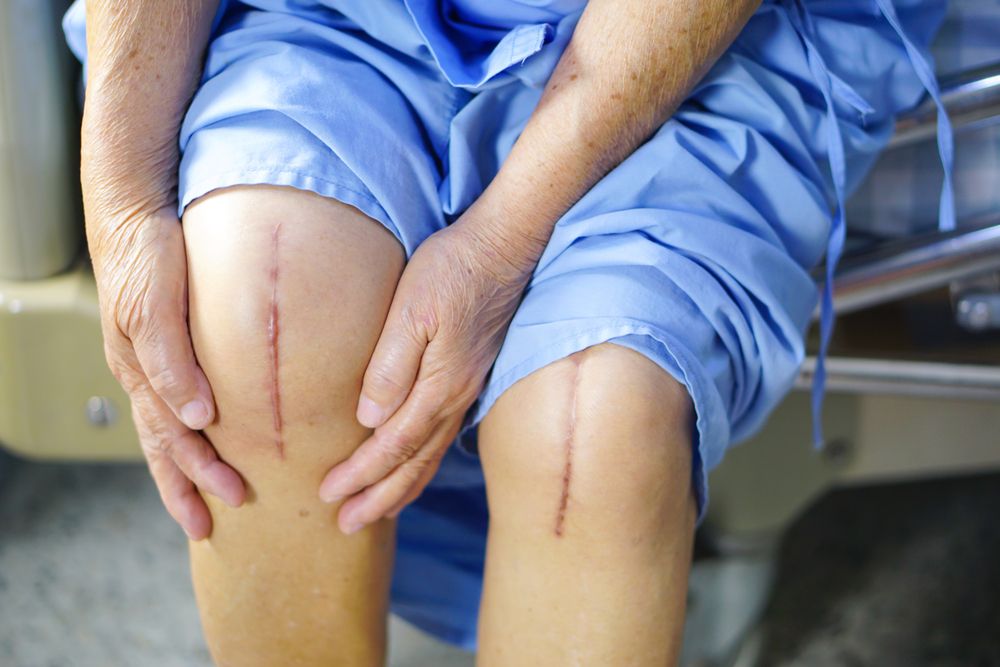
Recovering from knee replacement surgery is a journey that requires patience, care, and attention to detail. While modern surgical techniques and implants are highly effective, the success of your recovery depends largely on how you care for your knee afterward. Many patients unintentionally make errors that can slow healing, cause discomfort, or even limit long-term mobility. Understanding these common mistakes is crucial for anyone who wants to regain strength, flexibility, and confidence in their knee.
In this article, we will explore the top 5 mistakes after knee replacement and provide practical advice for avoiding them. By following these tips, you can improve your recovery, protect your new joint, and maintain your quality of life for years to come.
Mistake 1: Skipping Physical Therapy: The Most Common Recovery Pitfall
One of the biggest mistakes after knee replacement is skipping physical therapy. Many patients underestimate the importance of structured exercise or feel tempted to avoid it due to discomfort. However, physical therapy is not optional — it’s essential for restoring mobility and strengthening the muscles that support your knee.
Neglecting prescribed exercises, whether in a clinic or at home, can quickly lead to stiffness and a limited range of motion. Scar tissue may form, making it difficult to fully straighten or bend the knee in the future. This can have lasting effects on your ability to walk, climb stairs, or perform daily activities comfortably.
To stay consistent, it helps to set small daily goals and track your progress. Ask your therapist to demonstrate exercises clearly, and practice them at the recommended times. Even short sessions done correctly can make a big difference. Remember, every movement is an investment in your long-term recovery.
Mistake 2: Overdoing Activity Too Soon: Why Patience Matters
After surgery, it’s natural to feel excited about regaining mobility. Sometimes, patients experience a false sense of recovery when early pain fades, but pushing your knee too hard too soon can be harmful. Overexertion may lead to inflammation, swelling, or even damage to the implant.
Signs that you might be overdoing it include increased pain, redness, swelling, or difficulty walking the day after activity. High-impact exercises such as running or jumping should be avoided until your surgeon gives explicit clearance.
The best approach is gradual progression. Start with gentle walking or simple stretches, and slowly increase intensity as your knee strengthens. Listening to your body is key — it will help you build endurance safely without setbacks.
Mistake 3: Mismanaging Pain: Finding the Right Balance
Pain management plays a surprisingly central role in recovery. Taking too little pain medication can make it difficult to participate in physical therapy, leaving the knee stiff and slow to heal. On the other hand, stopping prescribed medication too early — including blood thinners — can increase the risk of blood clots or other complications.
Effective pain control allows you to move, exercise, and perform daily activities without causing damage to your healing knee. Always follow your doctor’s instructions for medications and communicate openly if pain is not adequately controlled. Simple strategies, such as timing medication before therapy sessions, can make exercises more manageable and improve your overall progress.
Mistake 4: Incorrect Leg Positioning: Avoid the “Pillow Mistake”
Many patients unknowingly adopt positions during rest that are harmful to a recovering knee. A common error is placing a pillow directly under the knee while lying down. This keeps the knee slightly bent, which can lead to a condition called flexion contracture — when the knee heals in a bent position and cannot fully straighten.
A simple adjustment can prevent this. Place pillows under the ankle instead of under the knee. This keeps the leg elevated, reduces swelling, and allows the knee to remain straight during rest or sleep. Even small changes in how you sit or lie down can have a lasting impact on your ability to regain full mobility.
Mistake 5: Overlooking Home Safety and Daily Support
Your home environment plays a huge role in recovery. Many accidents occur simply because patients attempt daily tasks without proper support or preparation. Loose rugs, poor lighting, low seating, and cluttered walkways all increase the risk of falls, which can be catastrophic for a healing knee.
Preparing your home for safety includes clearing walkways, using sturdy chairs with armrests, and installing night lights. Additionally, having support for tasks like cooking, bathing, or carrying groceries reduces strain on your knee. Don’t hesitate to ask family members or caregivers for help — it’s a temporary adjustment that protects your long-term mobility.
Conclusion: Recover Smarter, Not Harder
Avoiding the top 5 mistakes after knee replacement is key to a successful recovery. Skipping physical therapy, overdoing activity, mismanaging pain, incorrect leg positioning, and neglecting home safety can all slow progress or cause complications. By staying patient, following professional guidance, and making small but meaningful adjustments to your daily routine, you give your new knee the best chance to heal properly.
Recovery takes time, but with careful attention to these common pitfalls, you can regain strength, flexibility, and confidence. Stay informed, stay consistent, and focus on safe, gradual progress — your knee will thank you for it.
FAQs
How long does it take to recover from knee replacement?
Recovery varies, but most people regain basic mobility in 6–8 weeks, with full recovery often taking 3–6 months.
Can skipping physical therapy affect my knee permanently?
Yes. Missing PT can cause stiffness, weak muscles, and limited range of motion that may become permanent if not corrected.
When can I start walking or exercising after surgery?
Light walking usually starts the day after surgery, but more intense activity should be guided by your doctor or physical therapist.
Is it dangerous to place a pillow under the knee while resting?
Yes. This can lead to flexion contracture, where the knee heals bent and cannot fully straighten. Always elevate the ankle instead.
How can I make my home safer during recovery?
Clear clutter, remove loose rugs, improve lighting, use supportive chairs, and get help for tasks like cooking or carrying items.