
Introduction
Tunisian food is a rich reflection of the country’s long history, diverse landscapes, and everyday traditions. Located in North Africa along the Mediterranean Sea, Tunisia has been influenced by many civilizations, including Amazigh, Arab, Ottoman, Italian, and French cultures. These influences come together in a cuisine that feels both familiar and unique. Tunisian food is known for its bold flavors, balanced use of spices, and deep connection to home cooking and shared meals. While it shares similarities with other Mediterranean and North African cuisines, it stands out for its confident use of heat, its love of olive oil, and its strong sense of identity. Food in Tunisia is not only about nourishment but also about family, hospitality, and cultural pride.
The Foundations of Tunisian Food Culture
The foundations of Tunisian food culture are closely tied to the country’s history, geography, and daily life. Tunisia’s position between Africa, Europe, and the Middle East made it a crossroads for trade and migration over centuries. Each group that settled or ruled left traces in local cooking, from spice usage to cooking techniques. Geography also plays a major role. Coastal regions rely heavily on seafood and fresh vegetables, while inland areas focus more on grains, legumes, and preserved foods. Daily life in Tunisia revolves around meals shared at home, often prepared with care and passed down through generations. Tunisian food culture values simplicity, patience, and respect for ingredients, with recipes shaped by what is available locally and seasonally.
Essential Ingredients in Tunisian Food
Certain ingredients form the backbone of Tunisian food and appear in countless dishes. Olive oil is central and used generously in cooking, sauces, and even as a finishing touch. Tomatoes, both fresh and cooked, are another key element and often serve as the base for stews and sauces. Grains such as semolina, which is used to make couscous, are deeply rooted in Tunisian cuisine. Legumes like chickpeas and lentils are common and provide both flavor and nutrition. Garlic, onions, and peppers are used daily and help build the strong, warm taste that defines many meals. These ingredients are simple, affordable, and widely available, making them essential to everyday Tunisian cooking.
Spices and Seasonings That Define Tunisian Flavor
Spices play an important role in shaping the identity of Tunisian food, but they are used with balance rather than excess. The most famous seasoning is harissa, a chili paste made from dried red peppers, garlic, and spices. It adds heat and depth and is often served on the side so each person can adjust the spice level. Other commonly used spices include cumin, coriander, caraway, and paprika. Unlike some cuisines where spices are layered in large amounts, Tunisian cooking focuses on letting each spice enhance the dish without overpowering it. Heat is present but controlled, creating food that is flavorful and comforting rather than overwhelming.
Iconic Tunisian Dishes You Should Know
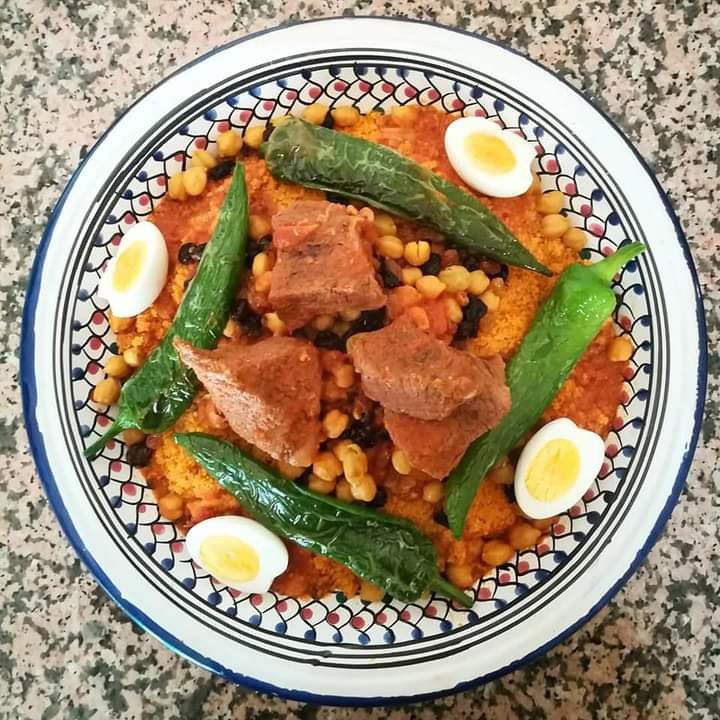
Several dishes are widely recognized as symbols of Tunisian food. Couscous is perhaps the most well-known and is traditionally served on Fridays or special occasions. It is topped with vegetables, meat, or fish, and flavored with a rich sauce. Brik is another popular dish, made with thin pastry filled with egg, tuna, or minced meat and lightly fried until crisp. Lablabi, a warm chickpea soup flavored with garlic and spices, is a favorite comfort food, especially during colder months. These dishes represent the heart of Tunisian cuisine and show how simple ingredients can be turned into deeply satisfying meals.
Regional Variations Across Tunisia
Tunisian food changes noticeably from one region to another. Along the coast, meals often include fresh fish, seafood stews, and lighter flavors influenced by the Mediterranean. In the north, where the land is greener, dishes may feature more vegetables and grains. Central and southern regions, which are drier, rely more on preserved foods, spicy sauces, and hearty meals designed to provide energy. Some regions are known for specific specialties, such as spicy sausages, unique couscous variations, or distinct bread styles. These regional differences add depth to Tunisian food and reflect how people adapt their cooking to their environment.
Tunisian Street Food and Casual Eats
Street food plays an important role in everyday life and offers a quick and affordable way to enjoy Tunisian food. Markets and small shops serve sandwiches filled with tuna, eggs, olives, and vegetables, often finished with a touch of harissa. Grilled items, fried pastries, and warm soups are common sights, especially in busy city areas. Street food is not seen as low-quality or informal in a negative way. Instead, it is appreciated for its freshness, flavor, and connection to daily routines. Many Tunisians grow up with these foods, making them an important part of food culture.
Home Cooking and Family Meals in Tunisia
Home cooking sits at the center of Tunisian food traditions. Family meals are often shared, with dishes placed in the middle of the table for everyone to enjoy together. Recipes are passed down orally, with measurements based on experience rather than strict rules. Cooking at home is seen as an expression of care, especially when preparing food for guests. Even simple meals are made with attention and pride. Tunisian food prepared at home often tastes different from restaurant versions, as it reflects personal preferences and family traditions.
Vegetarian and Seafood Options in Tunisian Food
While meat is present in many dishes, Tunisian food offers a wide range of vegetarian and seafood options. Vegetable-based stews, salads, and legume dishes are common and satisfying. Chickpeas, beans, potatoes, and peppers are often cooked with spices and olive oil to create filling meals without meat. Along the coast, seafood plays a major role, with fish grilled, baked, or cooked in sauce. These options show the flexibility of Tunisian cuisine and its ability to adapt to different diets while maintaining strong flavors.
Traditional Breads and Side Dishes
Bread is a daily essential in Tunisian food and is often used to scoop up sauces and salads. Different types of bread exist, ranging from crusty loaves to flatter varieties baked in traditional ovens. Side dishes such as salads made with tomatoes, cucumbers, and peppers are commonly served alongside main meals. Cooked vegetable dishes and simple spreads also help complete the table. These elements support the main dishes and add balance and variety to meals.
Tunisian Desserts and Sweet Traditions
Desserts in Tunisian food are often linked to celebrations, religious events, and special occasions. Many sweets are made with nuts, honey, and dates, reflecting ingredients that have been used for centuries. Pastries soaked in syrup or filled with almond paste are especially popular during holidays. Everyday desserts tend to be simpler, such as fruit or lightly sweetened treats. Tunisian sweets are rich but usually enjoyed in small portions, emphasizing quality over quantity.
Traditional Drinks Served With Tunisian Food
Drinks are an important part of the dining experience. Tea, often flavored with mint or herbs, is widely consumed and served throughout the day. Coffee is also popular and usually strong and aromatic. During meals, water is the most common drink, though fresh juices are enjoyed when available. These drinks complement Tunisian food without overpowering its flavors and are often part of social moments, such as conversations after a meal.
How Tunisian Food Is Served and Shared?
Tunisian food is deeply connected to hospitality and sharing. Meals are often served family-style, encouraging interaction and togetherness. Guests are treated with generosity, and offering food is seen as a sign of respect. Portions are designed to be shared rather than individualized, reinforcing the social nature of eating. This approach reflects broader cultural values, where food brings people together and strengthens relationships.
Conclusion
Tunisian food is a vibrant and meaningful expression of the country’s history, environment, and daily life. Its bold yet balanced flavors, reliance on simple ingredients, and strong connection to family and tradition make it both comforting and exciting. From home-cooked meals to street food and regional specialties, Tunisian food offers a wide range of experiences that feel authentic and welcoming. Whether enjoyed in Tunisia or explored from afar, this cuisine continues to stand out for its depth, diversity, and everyday appeal.
FAQs
Is Tunisian food very spicy?
Tunisian food can be spicy, but it’s adjustable. Harissa is usually served on the side, so you control the heat level.
What is the most famous Tunisian dish?
Couscous is the most famous dish, traditionally served with vegetables, meat, or fish and a rich sauce.
Is Tunisian food similar to Moroccan food?
They share some similarities, but Tunisian food is generally spicier and uses more chili-based flavors.
Can vegetarians eat Tunisian food?
Yes. Many Tunisian dishes are made with vegetables, legumes, and grains, making vegetarian options common.
What makes Tunisian food unique?
Its confident use of spices, olive oil, and strong cultural traditions sets it apart from other Mediterranean cuisines.