
Personal injury law can be overwhelming at the start. It can be more difficult when an injury affects you directly or impacts someone close to you. Your pain can increase fast and interfere with normal routines. Medical visits often become frequent and time-consuming. Missed work may start affecting your income sooner than expected. At the same time, questions about responsibility and compensation often remain unclear.
Knowing the different types of injuries seen in personal injury cases will help you understand when action may be necessary. It will also help you avoid mistakes early – when facts and records matter most. This guide will explain common injury types and walk you through how personal injury claims work – so you know what to expect.
What Is a Personal Injury Claim?
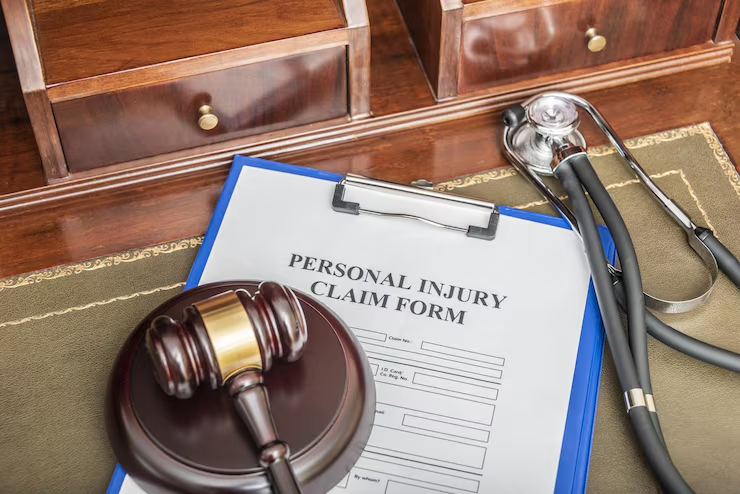
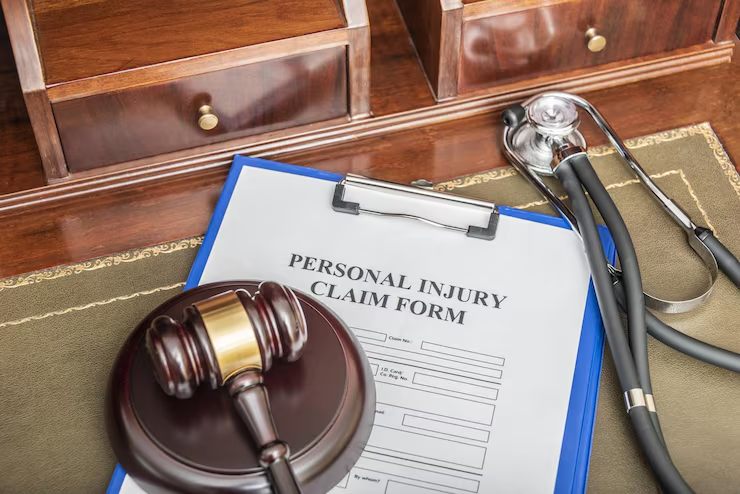
A personal injury claim is a legal step taken after someone else causes harm. You start this process when negligence or intentional conduct leads to injury. The purpose is to recover financial losses connected to the incident.
This recovery may include medical costs, missed income and long-term impact on daily life. The process does not need criminal intent. Carelessness alone can be enough.
How the Injury Claim Process Works?
Starting the claim
You start by identifying the person or party responsible for the injury. This may include:
- Another individual
- A business or employer
- A property owner
- A public or government agency
The claim will formally place responsibility on the party whose actions caused harm.
Proving responsibility
You must show that the other party failed to act responsibly. This normally involves three connected points:
- They had a duty to act safely
- They failed to meet that duty
- Their failure caused your injury
Medical records, witness statements and incident reports can support this step.
Reaching a result
The goal of a personal injury claim is financial compensation. Outcomes can vary depending on your evidence and injury severity.
- Some claims resolve through settlement.
- Others require a court decision after trial.
Understanding these basics will help you recognize when a claim exists. It will also help you decide when legal guidance may be necessary.
Types of Personal Injury Cases
Soft Tissue Injuries
Soft tissue injuries can affect your muscles, ligaments and tendons. They are among the most common injuries after accidents.
Whiplash can happen from sudden vehicle impacts. Your neck moves forward and backward in seconds. Pain may take days to appear. This can cause problems with early diagnosis.
Other soft tissue injuries include:
- Sprains in ankles, wrists or knees
- Strains in the back or shoulders
- Deep bruising from blunt impact
These injuries can limit movement and make routine your tasks difficult. Even when imaging tests appear normal – your pain can persist for months.
Broken Bones and Fractures
Fractures take place when force overwhelms the structure of your body. Some breaks heal with casts and rest. Others may require surgery and hardware placement.
Common fracture locations include:
- Arms and wrists
- Legs and ankles
- Ribs and collarbones
Complex fractures have multiple breaks in one bone. Your recovery can include physical therapy and strength rebuilding.
Broken bones can also affect your work ability. This limitation can be a key part of an injury claim.
Head and Brain Injuries
Head injuries need serious attention after any accident. Even mild concussions can disrupt your daily function.
Symptoms are:
- Headaches and dizziness
- Memory issues
- Balance problems
- Mood changes
Traumatic brain injuries can happen when the head absorbs sudden force. Some symptoms may appear immediately. Others may develop weeks later.
Facial injuries can occur alongside head trauma. These may involve:
- Jaw fractures
- Dental damage
- Eye injuries
Your treatment may require surgery and monitoring.
Back and Spinal Injuries
Back injuries can affect your sleep, movement and independence. Your pain may increase over time instead of improving.
Common spinal injuries are:
- Herniated or bulging discs
- Nerve compression
- Spinal fractures
Spinal cord injuries are more severe. They can restrict your movement or can cause paralysis. These injuries mostly need:
- Long-term care
- Adaptive equipment
- Ongoing medical support
Internal Injuries
Internal injuries are dangerous because they are difficult to detect early. Your pain can be mild at first.
Examples include:
- Internal bleeding
- Organ damage to the liver or kidneys
- Lung injuries or collapsed lungs
These injuries can happen after big crashes or falls. Emergency treatment is sometimes necessary to save your life.
Delayed diagnosis can increase your medical risk and complicate recovery.
Burn Injuries
Burn injuries happen through:
- Heat
- Chemicals
- Electricity
- Friction
Road accidents can cause friction burns.
Burns may involve:
- Surface skin damage
- Deep tissue injury
- Nerve involvement
Severe burns may need:
- Surgery
- Grafting
- Extended wound care
Scarring can restrict your movement or cause sensitivity.
Emotional recovery from burn injuries can take as long as physical healing.
Limb Injuries and Amputations
Severe accidents can crush your limbs. In extreme cases – amputation is your only option.
Loss of a limb affects many areas of life:
- Employment options
- Mobility and independence
- Daily routines and self-care
Prosthetics, therapy and long-term rehabilitation may also be a part of recovery. Emotional adjustment is common and deserves attention.
Psychological and Emotional Injuries
Not every injury is visible. You can also suffer from emotional trauma after serious accidents.
Common effects include:
- Anxiety during daily activities
- Sleep disruption
- Fear related to travel or movement
Some people develop post-traumatic stress symptoms. Counseling and mental health care play a critical role in your recovery.
Psychological injuries are also a part of personal injury cases. They affect quality of life and long-term stability.
Why Injury Types Matter in Albany Claims?
In Albany, injury claims are dependent heavily on documentation. Medical records, diagnostic tests and expert opinions can shape the outcome of your case.
Different injuries have different recovery timelines. Some injuries heal quickly. Others can affect your life permanently.
A claim involving an injury lawyer Albany can include multiple injury categories at once. Understanding how these injuries interact can strengthen your overall claim.
How Injuries Affect Compensation?
Compensation can reflect more than your hospital bills alone. It also reflects how injuries change daily life.
Considerations can include:
- Missed income during recovery
- Reduced ability to work in the future
- Ongoing medical treatment
- Daily limitations and pain
The type and severity of injury guide these evaluations. Long-term impact carries significant weight.
Final Thoughts
Injuries from accidents do not happen in a bubble. One injury can lead to another. Recovery becomes physical, emotional and financial all at once.
Understanding injury types can help you make better decisions early. It will also help you protect your rights under New York law.
Clear knowledge gives you control during a time that often feels unpredictable.