Introduction
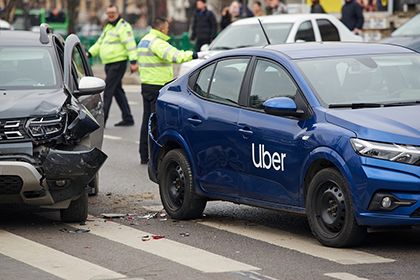
The phrase uber self driving backup driver causes accident liability insurance may sound complex, but it simply refers to a real and growing legal issue. It describes a situation where an Uber vehicle operating with self-driving technology is involved in a crash, and a human backup driver is present behind the wheel. The key questions then become: who is legally responsible, and whose insurance pays for the damage?
Uber and other companies have tested and deployed autonomous vehicle technology in recent years. In many of these vehicles, a backup driver sits in the driver’s seat to monitor the road and take control if the system fails. Even though the car may be driving itself, a human is still there as a safety measure.
In 2026, liability and insurance questions around self-driving accidents are more complex than ever. Laws were originally designed for human drivers, not vehicles powered by software and sensors. When a crash happens, investigators must determine whether the human backup driver made a mistake, whether the company failed in its safety duties, or whether a software or hardware defect caused the accident.
In this guide, we will explain how Uber’s self-driving system works, what happens when a backup driver causes an accident, how liability is shared, and how insurance coverage applies. The goal is to give you a clear and simple understanding of this important topic.
How Uber’s Self-Driving System and Backup Drivers Operate Today?
Uber has invested heavily in autonomous vehicle technology over the past decade. Although its self-driving division was sold to another company in 2020, Uber continues to partner with autonomous vehicle developers to offer driverless or semi-autonomous rides in selected cities.
In many test or hybrid vehicles, the system uses cameras, radar, and sensors to detect traffic signals, pedestrians, and other vehicles. The car can steer, accelerate, and brake without direct human control. However, during testing phases or limited deployments, a backup driver may still be required by law or company policy.
A backup driver’s legal duty is not passive. Even when the vehicle is in autonomous mode, the driver must remain alert, monitor road conditions, and be ready to take control immediately. This responsibility is similar to a pilot overseeing autopilot mode in an airplane. If something unexpected happens, the human must step in.
Control can shift between the system and the human operator within seconds. For example, the software may detect a situation it cannot handle and alert the driver. In other cases, the driver may notice a hazard before the system does and manually intervene. After a crash, determining who had control at that exact moment becomes critical. This distinction often shapes how liability and insurance are handled.
When a Backup Driver Causes an Accident?
The issue of uber self driving backup driver causes accident liability insurance becomes especially serious when evidence shows that the human backup driver failed to act properly.
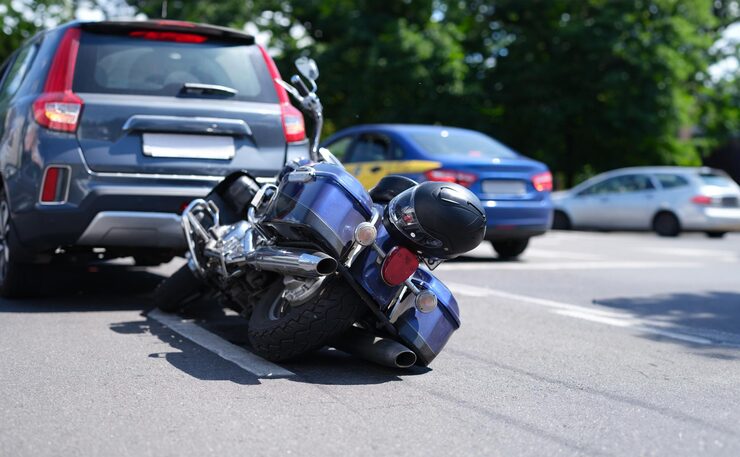
Accidents may occur if a backup driver is distracted, tired, or not paying attention to the road. If the autonomous system misjudges a situation and the driver does not step in to prevent a collision, investigators may find that the driver was negligent. In past cases, distracted use of a phone or failure to monitor traffic conditions has led to criminal charges.
Courts usually apply standard negligence rules to backup drivers. This means they ask whether a reasonable and careful person in the same position would have acted differently. If the answer is yes, the driver may be held personally responsible for the crash.
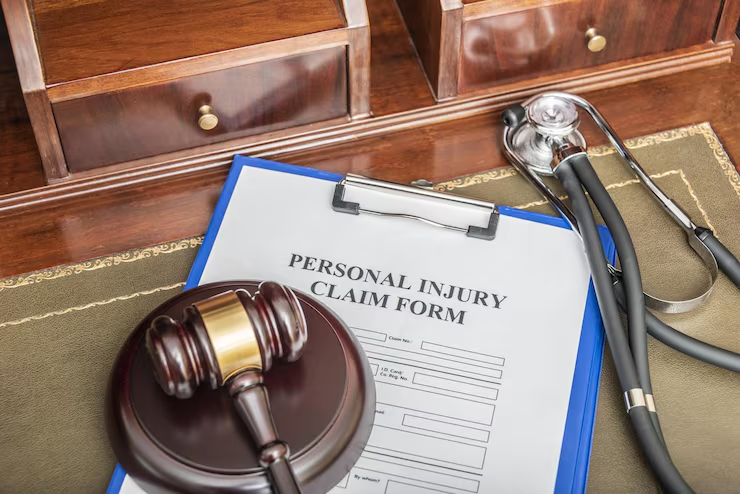
There is also a difference between criminal and civil responsibility. Criminal charges may arise if the conduct is considered reckless or grossly negligent. Civil responsibility, on the other hand, focuses on compensation for victims. Even if no criminal charges are filed, the driver may still face a lawsuit for damages such as medical bills, lost income, and pain and suffering.
Uber’s Corporate Liability in Self-Driving Accidents
When an Uber self-driving backup driver causes an accident, the company itself may also be legally responsible. This is because of a legal concept known as vicarious liability. If the backup driver was working within the scope of their job, Uber can be held liable for the driver’s actions.
In addition, victims may argue that Uber was negligent in hiring, training, or supervising the backup driver. If the company failed to provide proper training on how to monitor the system or respond to emergencies, this could strengthen a claim against Uber.
Corporate responsibility may also extend to safety protocols. For example, if Uber allowed testing to continue despite known system weaknesses, or if it failed to enforce strict monitoring rules, the company could face direct liability. Courts may examine internal policies, safety audits, and prior incidents to determine whether the company met its duty of care.
In many cases involving an Uber self-driving backup driver causing an accident, the company’s deeper financial resources make it a primary target in civil lawsuits.
How Liability Is Shared Under Comparative Fault Laws?
One of the most important legal principles in these cases is comparative fault. Many states in the United States use a system where responsibility can be divided among multiple parties.
If a crash involves both human error and a software failure, a court may assign a percentage of fault to each party. For example, a backup driver might be found 40 percent responsible for failing to react, while the manufacturer’s technology is considered 60 percent responsible for a system error.
This shared approach affects compensation. If a victim is also partially at fault, their compensation may be reduced based on their share of responsibility. State laws differ, and some states bar recovery entirely if a person is more than 50 percent at fault.
Comparative negligence rules make these cases complex. Lawyers often rely on expert testimony, vehicle data logs, and accident reconstruction specialists to determine how fault should be divided.
Insurance Coverage in an Uber Self-Driving Accident
Insurance is a central part of the uber self driving backup driver causes accident liability insurance discussion. Uber uses a tiered insurance structure that depends on the driver’s status at the time of the crash.
When the vehicle is on an active trip or on the way to pick up a passenger, Uber typically provides up to one million dollars in third-party liability coverage. This policy can cover injuries and property damage caused to others.
If the app is on but no trip has been accepted, lower coverage limits usually apply. In this period, coverage may include set amounts for bodily injury per person and per accident, along with property damage limits.
If the app is completely offline, Uber’s insurance generally does not apply. In that situation, the driver’s personal auto insurance becomes the primary source of coverage.
For autonomous testing programs, additional commercial policies may exist. These policies may cover product-related risks or higher liability limits due to the experimental nature of the technology. The exact coverage often depends on agreements between Uber and its technology partners.
Determining which insurance policy applies depends heavily on the vehicle’s operational status at the time of the crash.
Civil Lawsuits vs. Criminal Charges After a Self-Driving Crash
After a serious self-driving accident, there may be both criminal and civil proceedings. Criminal prosecution focuses on whether a law was broken and whether punishment is appropriate. This could include charges such as negligent homicide in extreme cases.
Civil lawsuits, on the other hand, are about financial compensation. Victims or their families can sue the backup driver, Uber, or other responsible parties to recover damages.
Civil liability is often easier to establish than criminal guilt. Criminal cases require proof beyond a reasonable doubt, which is a high standard. Civil cases use a lower standard known as the preponderance of the evidence, meaning it is more likely than not that the defendant was responsible.
In recent years, many high-profile self-driving cases have ended in confidential settlements. Companies may choose to settle to avoid long court battles and public scrutiny. Settlements can cover medical expenses, lost income, and emotional suffering.
What Victims Should Know After an Uber Autonomous Vehicle Accident?
If you are involved in an accident with a self-driving Uber vehicle, your first priority should always be safety and medical care. Call emergency services and document the scene if possible.
It is important to determine whether the vehicle was in autonomous mode or manual control at the time of the crash. This detail can shape the entire legal case. Lawyers often request vehicle data records, which show speed, braking, steering input, and system alerts.
These digital logs are crucial evidence. They can reveal whether the backup driver ignored warnings or whether the system failed to detect an obstacle. Because this data can be technical, experts are often brought in to interpret it.
Victims should also be aware of time limits for filing claims, known as statutes of limitations. Consulting a qualified attorney with experience in autonomous vehicle cases can help protect legal rights.
Conclusion
The issue of uber self driving backup driver causes accident liability insurance highlights how modern technology has changed the legal landscape. When a self-driving Uber vehicle is involved in a crash and a backup driver is present, liability is rarely simple.
Responsibility may fall on the human backup driver, Uber as a company, or even the technology manufacturer. In many cases, fault is shared under comparative negligence laws. Insurance coverage depends on whether the vehicle was on an active trip, waiting for a ride request, or offline at the time of the accident.
As autonomous vehicles continue to evolve in 2026 and beyond, legal standards will likely continue to develop. For now, each case depends on the specific facts, including who had control of the vehicle, how fault is allocated, and which insurance tier applies. Understanding these factors is essential for anyone seeking clarity about liability and insurance in an Uber self-driving accident.
FAQs
Who is responsible if a backup driver fails to intervene?
If the backup driver was distracted or failed to act reasonably, they can be personally liable. Uber may also share responsibility under employment laws.
Does Uber always pay after a self-driving accident?
Not always. It depends on whether the app was active and what tier of insurance was in effect at the time of the crash.
Can the vehicle manufacturer be sued?
Yes. If a software defect, sensor failure, or system malfunction caused the accident, the manufacturer may be liable under product liability laws.
What insurance applies during an active Uber ride?
During an active trip or while en route to pick up a passenger, Uber generally provides up to $1 million in third-party liability coverage.
Can a backup driver face criminal charges?
Yes. If their conduct is considered reckless or grossly negligent, criminal charges may be filed in addition to civil lawsuits.