Introduction
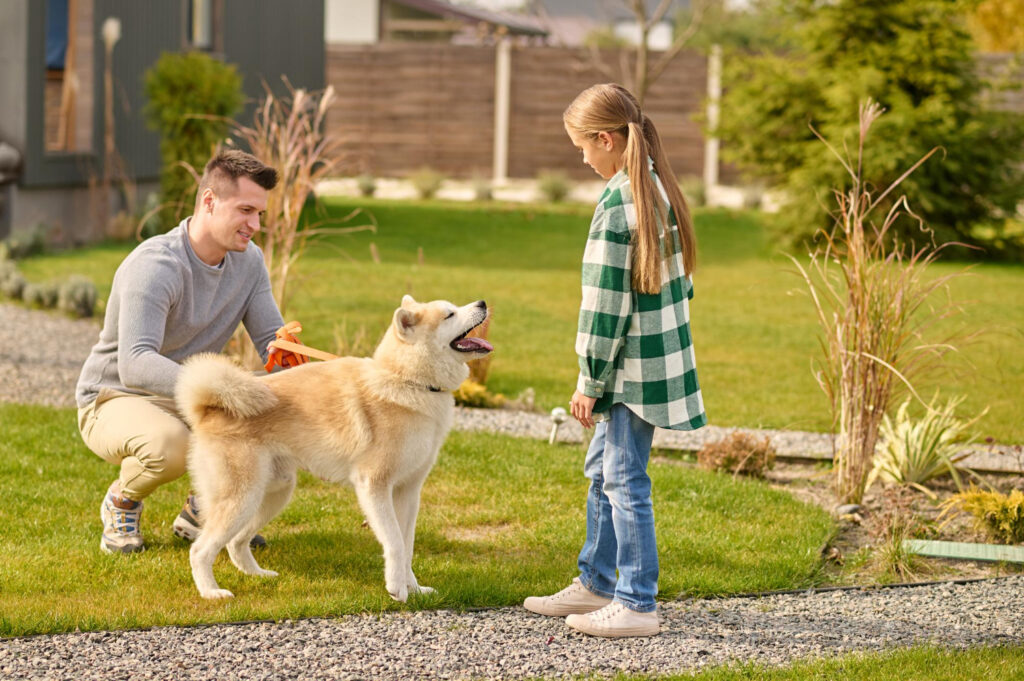
“Valplekar” is a Swedish term that literally translates to “puppy play.” It refers to the structured games, activities, and social interactions designed to stimulate a puppy’s physical, mental, and social development. While play may seem like simple fun, it is actually one of the most critical components of a puppy’s growth. Puppies that engage in regular, guided play develop better coordination, confidence, and social skills.
Structured play through valplekar allows puppies to explore their world safely while learning valuable life skills. Social interaction with other dogs or humans teaches them how to communicate, respond to cues, and regulate their energy. Mental stimulation from games like scent work and trick training keeps their minds sharp and helps prevent behavioral problems later in life.
In this guide, we will explore the role of valplekar in puppy development, the most popular types of games, tips to make play safe and enjoyable, and practical ways to incorporate it into daily life. By understanding and practicing valplekar, every puppy owner can create a foundation for a happy, confident, and well-adjusted dog.
Understanding the Role of Valplekar in Puppy Development
Play is more than just fun for a puppy. It is an essential tool for growth and learning. Physically, valplekar encourages puppies to strengthen their muscles, improve coordination, and develop balance. Activities such as running, jumping, and gentle wrestling mimic natural behaviors and help prepare the puppy’s body for a lifetime of activity.
Mentally, play offers countless benefits. Problem-solving games like scent work or interactive toys challenge a puppy’s mind, building confidence and mental agility. Puppies learn to assess situations, make decisions, and even manage their emotions during playful interactions. This mental stimulation is especially important in the early months when their brains are rapidly developing.
Valplekar also teaches puppies critical social skills. During play with other dogs, they learn bite inhibition, how to read body language, and the importance of taking turns. Interactions with humans help puppies understand boundaries, cues, and positive reinforcement. All of these experiences combine to create a well-rounded, socially competent adult dog.
Popular Types of Valplekar Every Puppy Loves
Tug-of-War (Dragkamp)
Tug-of-war is a classic valplekar game that builds confidence and strength. Using a sturdy rope or toy, owners can gently engage their puppy in a friendly tug. It’s important to let the puppy win sometimes, which encourages self-esteem and keeps the game fun. Always ensure the puppy’s teeth and jaw are safe by using appropriate toys and avoiding excessive force.
Fetch (Apport)
Fetch is a timeless way to keep puppies active while reinforcing their natural retrieving instincts. Throwing a toy or ball encourages chasing, running, and returning objects. It not only burns off excess energy but also teaches focus, patience, and the basics of obedience. Fetch can be modified for indoor spaces using soft toys to ensure safety.
Nose Work (Sökövningar)
Scent-based games are a favorite for mentally stimulating puppies. By hiding treats or toys around the house or in activity mats, owners can encourage their puppies to use their noses to search and solve problems. Nose work improves concentration, builds confidence, and provides a satisfying mental challenge that can tire a puppy just as much as physical activity.
Trick Training
Teaching simple commands like “sit,” “stay,” or “paw” is a form of structured play that doubles as training. Trick training encourages learning, strengthens the human-puppy bond, and rewards puppies for focus and effort. Even short sessions of five to ten minutes can provide significant benefits without overwhelming the puppy.
Social Play
Social play involves gentle wrestling or play-fighting, usually with other puppies or well-behaved adult dogs. This form of valplekar is essential for learning social cues, bite inhibition, and boundaries. Owners should supervise closely, making sure interactions remain positive and safe. Puppies also learn emotional regulation during social play, such as calming down when play becomes too intense.
Tips for Making Valplekar Safe and Enjoyable
Choosing the right toys and play spaces is crucial for safe valplekar. Avoid items that can break or be swallowed, and create a play area free from sharp objects or hazards. Outdoor play should be supervised to prevent accidents or escapes.
Puppies can become overstimulated quickly, so it’s important to recognize signs of fatigue or stress. A tired puppy may become irritable or overexcited, which can lead to accidental bites or unsafe behavior. Short, frequent play sessions are often better than long, exhausting ones.
Setting boundaries ensures that play remains positive. Puppies need to learn when a game is over or when certain behaviors are not acceptable. Consistency in rules and gentle guidance helps puppies understand limits while still enjoying the fun.
How to Incorporate Valplekar into Daily Life?
Integrating valplekar into your puppy’s routine doesn’t have to be complicated. Simple daily or weekly play sessions can make a big difference in your puppy’s development. Even five minutes of structured play several times a day can provide physical and mental benefits.
Balance is key. Puppies benefit from both structured play, such as fetch or trick training, and free exploration, like running in the yard or sniffing around during a walk. Combining both types helps develop well-rounded skills while keeping play enjoyable.
Valplekar can also be used to reinforce training. Incorporating commands into play encourages learning in a stress-free, positive environment. Over time, these games strengthen the bond between owner and puppy, creating trust and understanding that lasts a lifetime.
Common Mistakes to Avoid During Puppy Play
Even with the best intentions, some mistakes can hinder a puppy’s development during play. Overdoing certain games can overwhelm a puppy, and ignoring signals of stress may lead to fear or behavioral issues. Puppies communicate through body language, and it’s important to pay attention to signs of fatigue or discomfort.
Inconsistent rules can confuse a puppy. If a behavior is acceptable during one session but punished in another, the puppy may struggle to understand boundaries. Maintaining consistency in play rules ensures clarity and security.
Using unsafe toys or overly aggressive play techniques can also be harmful. Avoid hard toys that could damage teeth or rough play that might frighten the puppy. Safe, age-appropriate toys and gentle guidance are key to positive valplekar experiences.
Conclusion
Valplekar is more than just fun for puppies; it is an essential part of healthy growth, learning, and socialization. Through structured games, mental challenges, and social interactions, puppies develop confidence, coordination, and emotional regulation.
Owners who explore different types of valplekar and pay attention to what their puppy enjoys most will see the benefits in behavior, training, and overall happiness. By incorporating safe, enjoyable play into daily life, you lay the foundation for a well-adjusted, confident adult dog. Playful learning today leads to a lifetime of companionship and joy.
FAQs
What is the main purpose of valplekar?
Valplekar helps puppies grow physically, learn social skills, and develop mental focus through fun and interactive play.
Can valplekar prevent behavioral problems in dogs?
Yes. Structured play and mental stimulation reduce boredom, anxiety, and destructive behavior in puppies.
How often should I play valplekar with my puppy?
Short sessions 2–4 times a day work best, balancing energy release and mental stimulation without overstressing your puppy.
Are there any toys that should be avoided for valplekar?
Avoid small, fragile, or sharp-edged toys that can break, choke, or injure your puppy. Always choose age-appropriate, safe options.
Can valplekar be done indoors?
Absolutely. Many games like tug-of-war, trick training, and nose work can be done indoors safely with proper space and supervision.