There’s a quiet shift happening in the way people think about keeping a home clean. It’s no longer just about vacuum lines, lemony scents, or a quick wipe-down before guests arrive. Today, cleaning is being judged by a higher standard: how it feels to live in the space afterward, how long that feeling lasts, and how much effort it takes to maintain. That’s why more homeowners are moving beyond a basic checklist and choosing a professional room-by-room refresh that targets the areas that actually make a home feel calmer, healthier, and more put together. The modern expectation is simple: cleaning should create a noticeable upgrade, not just a temporary reset.
Why “Clean” Means Something Different Now?
The definition of clean has expanded, and that’s a good thing. We still want sparkle, of course, but we also care about comfort, hygiene, and the invisible stuff that affects our day-to-day life.
Lifestyle Has Changed, So Homes Have Too
Many homes function like multipurpose hubs now. A kitchen is a cooking space, a workspace, and sometimes a homework station. A guest room doubles as a gym or a storage zone. When rooms are used more intensively, surfaces collect more grime, and clutter builds faster. A modern cleaning approach recognizes this and adapts, rather than treating every home like it has the same routine.
“Good Enough” Doesn’t Feel Good Anymore
A quick clean can make things look fine, but it often leaves behind the things that quietly annoy you. The fingerprints on light switches. The dusty baseboards you keep noticing. The bathroom corners that never seem fully fresh. Raising the standard means addressing the details that impact how a home feels, not just how it photographs.
Health, Air Quality, and Peace of Mind Matter
People pay attention to allergens, indoor air quality, and the general sense of hygiene in a way they didn’t a decade ago. That doesn’t mean chasing perfection. It means cleaning with intention, especially in high-touch and high-traffic areas where buildup happens fast.
What High-Standard Cleaning Actually Looks Like?
A higher standard isn’t about doing everything all the time. It’s about doing the right things consistently, and making sure the results hold up past the first 24 hours.
A Smarter Focus on High-Impact Areas
When cleaning is done well, it prioritizes what changes the home the most. That usually includes:
- Floors and corners where dust settles
- Bathrooms where buildup happens in cycles
- Kitchens where grease, crumbs, and fingerprints stack up quickly
- Entry points where outside dirt gets introduced
This kind of prioritization is what separates surface-level cleaning from real, lived-in freshness.
Consistency Over Random Deep-Clean Bursts
Many homeowners fall into a pattern of letting things go until it feels urgent. Then they scramble, do an exhausting deep clean, and promise themselves it won’t happen again. High-standard cleaning flips that. Instead of occasional major overhauls, you create a rhythm that keeps the home in a better baseline state.
Details That Signal “Professionally Done”
You can usually tell when cleaning was done with care. It shows up in places like:
- Evenly wiped, streak-free surfaces
- Edges and corners that aren’t ignored
- Fixtures and handles that feel clean to the touch
- Clear, uncluttered “finish” to the room, not just “less messy”
When the finishing touches are handled, the whole space feels upgraded.
Room-by-Room Standards That Make the Biggest Difference
Each room has its own “tells.” If you want to raise the standard, you don’t need to obsess over everything. You just need to hit the factors that make that room feel truly clean.
Kitchen: The Room That Needs Both Looks and Hygiene
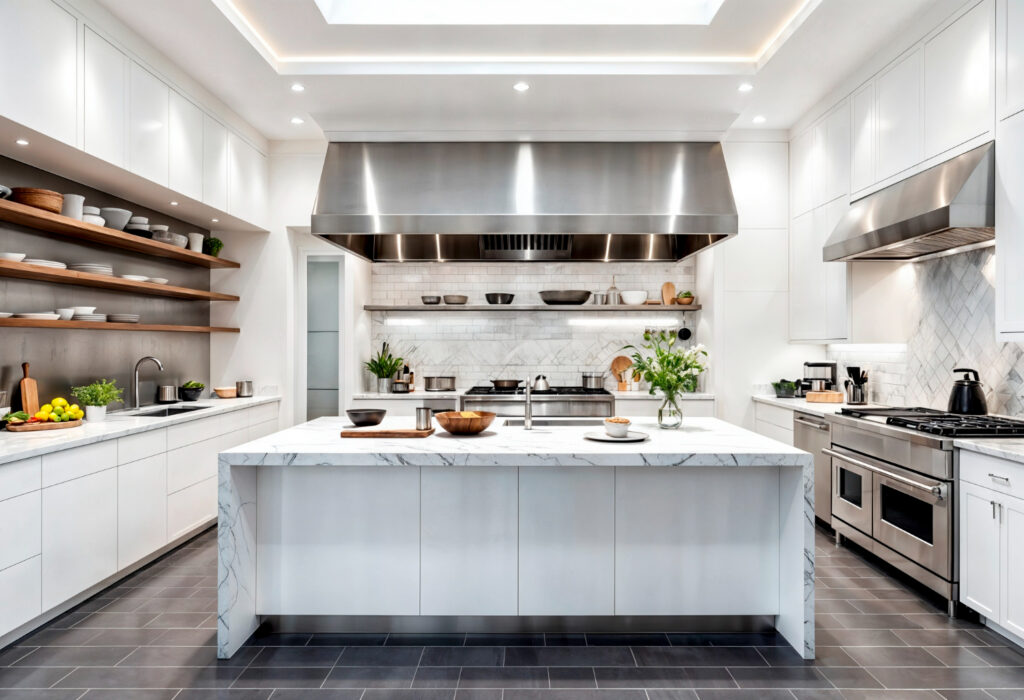
Kitchens are where a home can look clean but still feel off. The best standard is one that tackles both visible and invisible buildup.
Key upgrades that change the whole kitchen experience:
- Degreased stovetop and backsplash
- Sink fully scrubbed and polished
- Cabinet fronts wiped where hands touch most
- Countertops cleaned with a residue-free finish
- Floors swept and mopped with attention to edges
A kitchen that’s cleaned to a higher standard doesn’t just look tidy. It feels safe, fresh, and easy to maintain.
Bathroom: Where “Almost Clean” Is Still Not Clean?
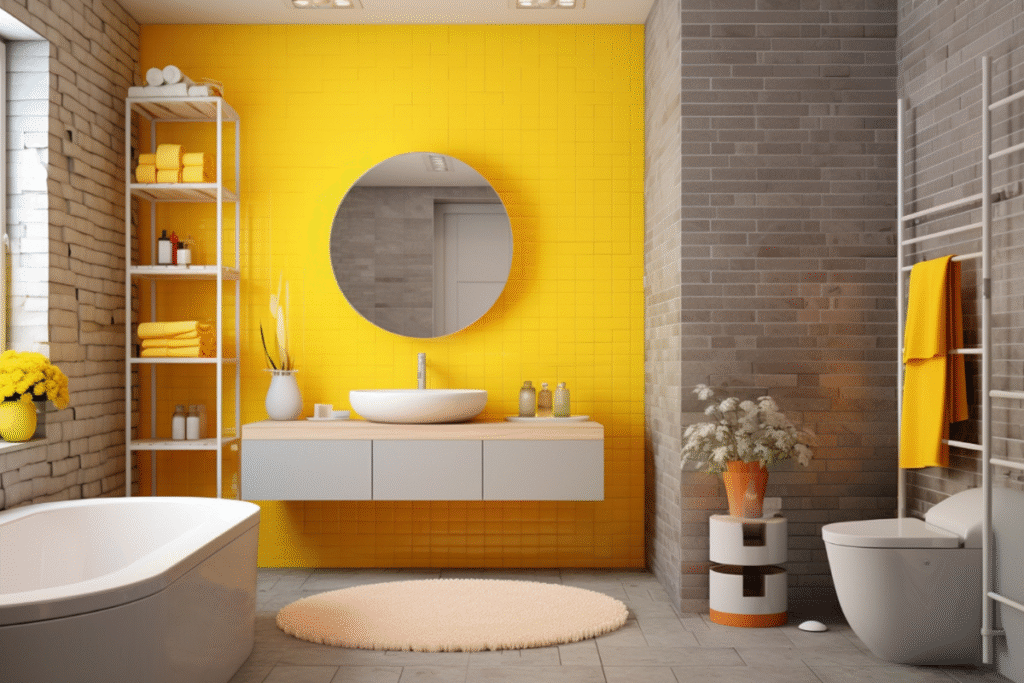
Bathrooms don’t forgive shortcuts. This is the space where high-standard cleaning is most obvious, because buildup patterns are predictable.
High-standard bathroom cleaning typically includes:
- Descaled fixtures and shower surfaces where water spots collect
- Toilets cleaned thoroughly, including the base and behind the seat
- Mirrors and chrome polished without streaks
- Floors cleaned carefully around the toilet and corners
- Touchpoints sanitized (handles, switches, faucet knobs)
When bathrooms are done right, they stay fresher longer, which is the real win.
Bedrooms and Living Areas: Comfort Is the Goal
These rooms are all about how it feels to exist in them. The standard here is less about disinfecting everything and more about creating a calm, clean atmosphere.
What makes the biggest difference is usually dust management, floors, and making sure surfaces don’t feel sticky or stale. A well-cleaned living space feels lighter, not just “less cluttered.”
Entryways and Hallways: The First Impression Zone
Entry areas get overlooked because they’re transitional, but they impact the whole home. Dirt gets tracked in, bags get dropped, and dust builds in corners.
Raising the standard here often comes down to floors, baseboards, and the little touchpoints that collect grime fast. When entry spaces stay clean, the entire home feels cleaner by association.
The Role of Professional Support in a Higher Standard Home
The goal isn’t to outsource your life. It’s to create a system that makes your home easier to live in.
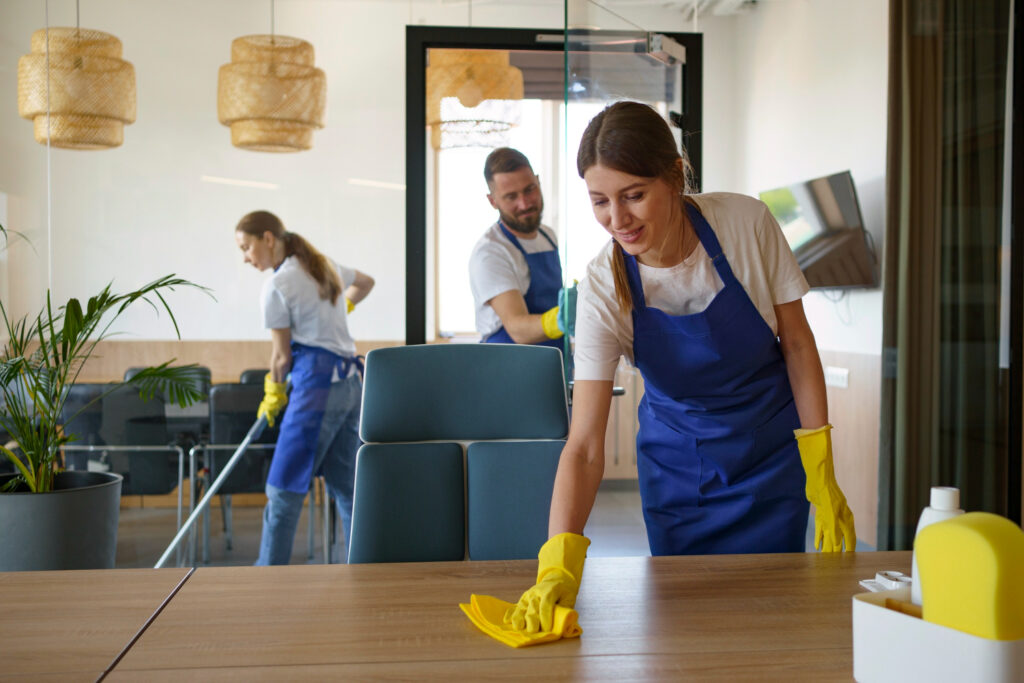
Some households use professional cleaning as a consistent baseline, then handle day-to-day touchups in between. Others use it as a periodic reset. Either way, the value is in how it reduces stress and prevents buildup from becoming a constant background problem.
If you’re exploring what that looks like in practical terms, it can help to compare real-world service options and approaches, and you can start by exploring www.swipenclean.com/ as a reference point for modern cleaning expectations and service structure.
How to Maintain the Standard Without Feeling Like a Full-Time Cleaner?
Raising the standard doesn’t mean adding more chores to your life. It means setting up habits that prevent the “everything is falling apart” moment.
Use a Simple Rotation Mentality
Instead of trying to do everything weekly, rotate focus areas. One week you prioritize floors. Another week you focus on bathrooms. A small rotation prevents overwhelm and keeps the home feeling consistently good.
Keep a Few Tools That Make Quick Wins Easy
You don’t need a closet full of supplies. A small set of reliable tools makes maintaining your standard way easier:
- A microfiber cloth that actually grabs dust
- A non-streak glass cleaner
- A gentle multi-surface cleaner for daily wipe-downs
- A vacuum or broom you’ll actually use regularly
When tools are easy to reach and easy to use, you naturally clean more often without thinking about it.
Aim for “Reset Moments,” Not Marathon Sessions
Modern cleaning works best when it’s built into life. Ten minutes after dinner. A quick bathroom wipe while the shower warms up. A fast vacuum pass before the weekend starts.
Those small resets keep your home at a higher baseline, so you’re not constantly playing catch-up.
At the end of the day, modern house cleaning isn’t about chasing perfection. It’s about creating a home that supports you. A space that feels good to walk into. A bathroom that doesn’t irritate you. A kitchen that feels clean enough to cook in without second-guessing the counters.
When you raise the standard, you’re not just cleaning more. You’re cleaning smarter, prioritizing the details that matter, and building a home environment that feels calm, cared for, and genuinely refreshed. That’s the modern goal. And once you experience it, it’s hard to go back.