
Introduction
If you have ever seen a thick, square slice of pizza with a soft interior and a crisp bottom, you may have wondered what is Sicilian pizza and how it is different from other types of pizza. Sicilian pizza is a traditional style that comes from the Italian island of Sicily. It is known for its fluffy dough, rich tomato sauce, and hearty toppings. Unlike thin-crust pizzas that are folded or eaten quickly, Sicilian pizza feels more filling and comforting.
One of the main reasons Sicilian pizza stands out is its texture. The crust is thick and airy, almost like bread, yet it has a lightly crunchy base. The sauce is often bold and tomato-forward, sometimes placed on top of the cheese rather than underneath. These small details give Sicilian pizza a very different taste and eating experience compared to popular styles like Neapolitan or New York pizza.
Sicilian pizza started as a local food enjoyed by everyday people, but over time it traveled far beyond Italy. As Italian immigrants moved to other countries, especially the United States, they brought their food traditions with them. Today, Sicilian pizza is enjoyed around the world and continues to evolve while still holding on to its roots.
Origins of Sicilian Pizza
To fully understand what Sicilian pizza is, it helps to look at where it comes from. Sicily has a long and complex history influenced by many cultures, including Greek, Arab, and Spanish. These influences shaped the island’s food, especially its use of wheat, olive oil, tomatoes, and herbs. Sicilian pizza grew out of this rich food culture and was originally a simple, homemade dish.
In Sicily, this pizza is often called “sfincione,” which loosely means “thick sponge.” This name fits well because of the soft and airy dough. Sfincione was traditionally made at home or sold by street vendors, especially during holidays and special gatherings. It was not meant to be fancy. Instead, it focused on filling ingredients and strong flavors that could feed families affordably.
Different areas of Sicily developed their own versions. In Palermo, for example, sfincione is usually topped with tomato sauce, onions, anchovies, and breadcrumbs instead of cheese. In other regions, cheese is more common, but it may not always be mozzarella. These regional differences show how flexible and local Sicilian pizza has always been.
Sicilian pizza reached international popularity mainly through immigration. In the late 1800s and early 1900s, many Sicilians moved to the United States. They adapted their recipes using local ingredients and ovens, which slowly changed the style. Over time, Sicilian pizza became a staple in Italian-American bakeries and pizzerias, especially in cities like New York.
Distinctive Features of Sicilian Pizza
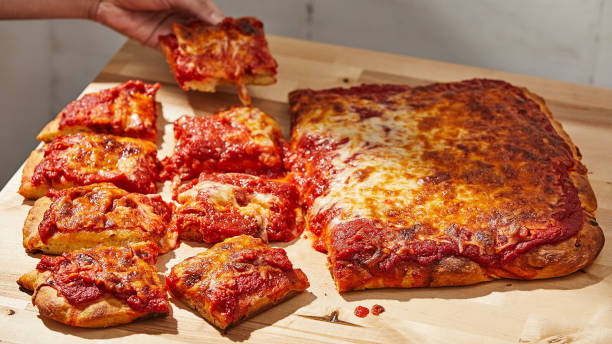
One of the clearest answers to what is Sicilian pizza lies in its crust. The dough is thick, airy, and soft on the inside, with a lightly crisp bottom. This texture comes from using a well-hydrated dough and allowing it to rise for a long time. The dough is usually pressed into a rectangular pan, which gives Sicilian pizza its well-known square or rectangular shape.
The toppings also help define this pizza style. A classic Sicilian pizza uses a rich tomato sauce made from simple ingredients like tomatoes, olive oil, garlic, and herbs. In many traditional versions, the sauce is spread generously and may even go on top of the cheese. This keeps the dough from becoming soggy and allows the sauce to shine.
Cheese choices can vary. Mozzarella is common, but some authentic Sicilian recipes use local cheeses that have a stronger flavor. Anchovies, onions, olives, and breadcrumbs are also traditional toppings, especially in older recipes. These ingredients add depth without overpowering the dough.
When compared to Neapolitan pizza, Sicilian pizza feels heavier and more filling. Neapolitan pizza has a thin, soft crust and is baked very quickly at high heat. New York-style pizza is thinner than Sicilian and designed to be folded. Sicilian pizza, on the other hand, is baked longer, eaten slowly, and often shared.
How Sicilian Pizza Is Made?
The process of making Sicilian pizza starts with the dough. Flour, water, yeast, salt, and olive oil are mixed to form a soft and sticky dough. Because the dough contains more water than many other pizza styles, it needs time to rest and rise. This slow rise helps create the light, airy texture that Sicilian pizza is known for.
After the dough rises, it is gently pressed into an oiled rectangular pan. The oil plays an important role because it helps create a crispy bottom during baking. The dough is then allowed to rise again in the pan, which gives it extra height and softness.
Baking methods can vary. Traditional Sicilian pizza was often baked in home ovens or bakery ovens rather than wood-fired ovens. The pizza is baked at a moderate temperature for a longer time than thin-crust pizzas. This allows the inside to cook fully while the bottom becomes golden and crisp.
For those trying to make Sicilian pizza at home, patience is key. Letting the dough rise properly makes a big difference. Using good-quality olive oil and a simple tomato sauce also helps keep the flavor authentic. Even without special equipment, a home oven and a sturdy baking pan can produce excellent results.
Variations Around the World
As Sicilian pizza spread beyond Italy, it began to change. In the United States, especially in New York, Sicilian pizza became more cheese-heavy. Mozzarella is usually placed directly on the dough, with sauce spooned on top or spread underneath. This version is often richer and heavier than the traditional Sicilian sfincione.
American-style Sicilian pizza is usually served in large square slices and sold by the piece. It is popular in casual settings and is often associated with Italian-American bakeries. While it is inspired by Sicilian traditions, it reflects local tastes and ingredients.
Other countries have also created their own versions. In some places, local cheeses, vegetables, or meats are added to suit regional preferences. These adaptations show how flexible Sicilian pizza can be while still keeping its core identity.
Local ingredients play a big role in how these variations taste. The type of flour, cheese, and even tomatoes can change the final flavor. Despite these differences, the thick crust and square shape usually remain, keeping the connection to the original style.
Pairing and Serving Suggestions
Sicilian pizza is hearty, so it pairs well with simple sides and drinks. Light salads with fresh greens can balance the richness of the pizza. Roasted vegetables or marinated olives also work well without stealing attention from the main dish.
When it comes to drinks, non-alcoholic options like sparkling water or lightly flavored sodas help cleanse the palate. For those who enjoy wine, a mild red or a dry white often complements the tomato sauce and cheese without overpowering them.
Sicilian pizza is perfect for sharing, which makes it a good choice for family meals, casual gatherings, or parties. Serving it on a large wooden board or cutting it into even squares makes it easy for guests to enjoy.
Leftovers can be stored in the refrigerator and reheated later. To keep the crust from becoming too soft, reheating in an oven or pan works better than a microwave. This helps restore some of the crisp texture.
Common Myths and Misconceptions
There are several misunderstandings about what Sicilian pizza is. One common myth is that all square pizzas are Sicilian. In reality, many square or thick pizzas exist, but not all of them follow the Sicilian method or tradition.
Another misconception is that Sicilian pizza is simply thick-crust pizza. While thickness is important, the dough texture, baking method, and topping style are just as important. A true Sicilian pizza has a light, airy interior, not a dense or heavy one.
Some people also believe that Sicilian pizza is always covered in cheese. Traditional versions from Sicily often use less cheese or even none at all, focusing instead on sauce, onions, and other simple toppings. The cheese-heavy version is more common outside Italy.
In restaurants, the name “Sicilian pizza” is sometimes used loosely. This can lead to confusion when the pizza served does not match the traditional style. Understanding these differences helps set clearer expectations.
Conclusion
So, what is Sicilian pizza? It is a thick, flavorful pizza style that comes from the island of Sicily and reflects generations of local food traditions. With its airy crust, rich sauce, and simple yet bold toppings, Sicilian pizza offers a very different experience from thin-crust styles.
Its journey from local bakeries in Sicily to pizzerias around the world shows how food can travel and adapt while still honoring its roots. Whether enjoyed in its traditional form or through modern variations, Sicilian pizza continues to stand out for its comfort and character.
For anyone curious about pizza beyond the familiar styles, Sicilian pizza is worth exploring. Trying it at a local pizzeria or making it at home can offer a deeper appreciation for this classic and enduring dish.
FAQs
What makes Sicilian pizza different from regular pizza?
Sicilian pizza has a thicker, bread-like crust, is usually square-shaped, and is baked in a pan, unlike thin-crust round pizzas.
Is Sicilian pizza always square?
Yes, traditionally Sicilian pizza is baked in rectangular pans, which gives it a square or rectangular shape.
Is Sicilian pizza Italian or American?
It originated in Sicily, Italy, but the American version evolved later with more cheese and different toppings.
Does Sicilian pizza have cheese?
Traditional Sicilian pizza may use little or no cheese, while modern versions often use mozzarella generously.
Is Sicilian pizza soft or crispy?
It is both—soft and airy inside with a lightly crispy bottom crust.