Most Pilates studios do not decide to upgrade their equipment overnight. The idea usually sits in the background for a while. Maybe classes are getting busier. Maybe instructors are adjusting springs more often than they should. Maybe clients start asking questions that hint they have been trained elsewhere.
At some point, the equipment stops feeling invisible. When that happens, it becomes part of the conversation.
Upgrading Pilates training systems is less about chasing something new and more about responding to how a studio has actually evolved.
Equipment Reveals How a Studio Has Grown
Early on, most studios focus on getting classes off the ground. Equipment just needs to work. Over time, expectations change.
Clients become stronger. Programming becomes more varied. Instructors move faster between exercises. Small limitations that once felt manageable start to slow things down.
When equipment begins shaping class flow instead of supporting it, studio owners usually know it is time to take a closer look.
Clients Feel the Difference More Than Owners Expect
Pilates clients are often more aware than they get credit for. Many have trained in multiple studios. They notice resistance changes. They feel when carriages stick, or springs lose consistency, which reflects the principles behind Pilates-based resistance training that emphasize controlled, consistent load.
For clients who attend regularly, these details affect trust. A workout that feels smooth and controlled one week but uneven the next creates doubt, even if they cannot name the cause.
Studios that upgrade often report something subtle afterward. Fewer questions. Fewer mid-class adjustments. A calmer energy in the room.
Strength-Focused Pilates Raises the Bar
As Pilates programming becomes more strength-driven, equipment demands increase. Slow, controlled loading puts stress on systems in a different way than lighter, flow-based sessions, and there is evidence that Pilates improves strength and trunk stability, which helps explain why equipment consistency matters.
Studios offering higher-intensity formats need equipment that can handle constant resistance without compromising movement quality. This is usually the point where owners start researching options more seriously, including looking at modern pilates reformers for sale that are built for commercial use rather than light traffic.
Space Constraints Can Change the Decision
Many studios assume they will simply replace old equipment with new versions. In reality, upgrades often affect layout.
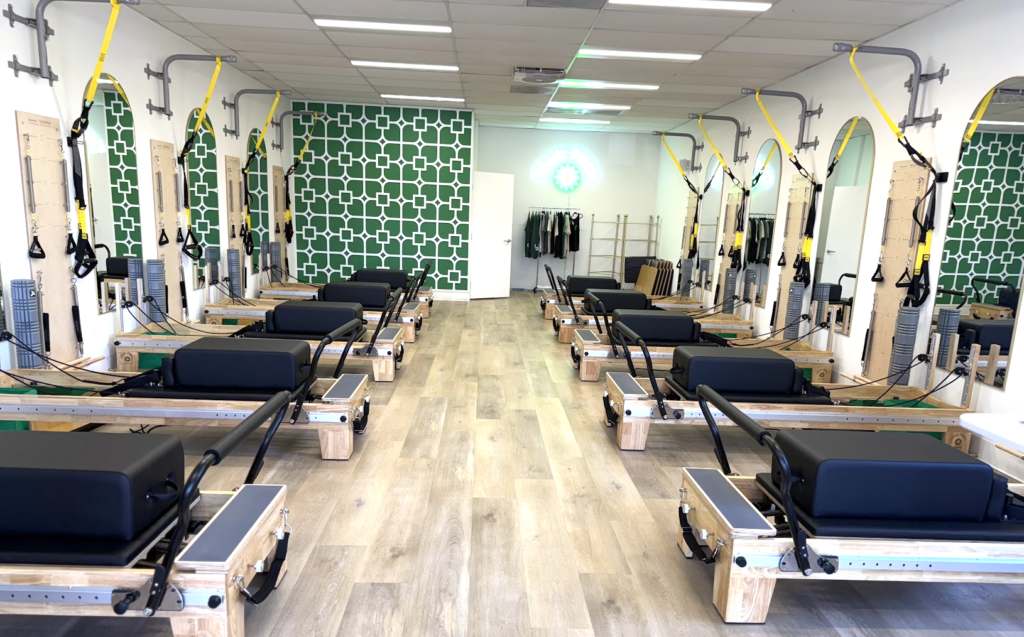
Some systems require more clearance. Others allow tighter spacing without sacrificing safety. Walkways, sightlines, and instructor movement all matter more once classes are full.
Studios that measure carefully before upgrading avoid painful surprises after delivery. A system that performs well but limits capacity can create new challenges.
Maintenance Is Where Costs Really Show Up
Purchase price is only one part of the equation. How often equipment needs attention matters just as much.
Studios running back-to-back classes place heavy demands on springs, wheels, and upholstery. Systems not designed for that workload wear quickly.
Owners who have lived through frequent repairs tend to value durability more than branding. Fewer breakdowns mean fewer cancelled sessions and less stress for staff.
Instructor Experience Should Carry Weight
Instructors spend more time with the equipment than anyone else. Their feedback is practical, not theoretical.
Small things matter. How quickly do settings adjust? How smoothly transitions happen. How predictable resistance feels at the end of a long teaching day.
Studios that involve instructors early often make better choices. When instructors trust the equipment, classes run smoothly, and energy stays higher.
Programming Flexibility Supports Growth
Many studios want to expand offerings over time. Beginner classes, advanced sessions, strength-focused formats, and specialty workshops all place different demands on equipment.
Systems that allow quick adjustments make this easier. Instructors can scale intensity without rearranging the room or changing class structure.
That flexibility opens the door to new revenue without requiring constant reinvestment.
Brand Recognition Is Not the Same as Fit
Well-known names dominate the conversation, but familiarity does not always equal suitability. Every studio has different constraints.
Ceiling height, floor space, class size, and teaching style all affect what works best. More owners are stepping back from brand-first thinking and focusing on performance, durability, and layout compatibility.
This shift has made room for alternatives that deliver similar training results without unnecessary complexity.
Aesthetics Influence Client Perception
Pilates studios are visual spaces. Equipment is not hidden. Clients see it before they feel it.
Clean design, consistent finishes, and thoughtful layouts contribute to a sense of professionalism. While aesthetics should not override function, they do influence how clients perceive value.
Studios investing in upgrades often find that the space feels refreshed even without major renovations.
Planning the Transition Matters
New equipment changes routines. Instructors need time to adjust. Clients notice differences immediately.
Studios that plan onboarding sessions and soft launches tend to experience smoother transitions. Small preparation steps reduce disruption and protect class quality during the changeover.
Thinking Beyond the Immediate Upgrade
The best upgrades support where a studio is going, not just where it is now. Growth, staff turnover, and class demand should factor into decisions.
Owners who think long term avoid repeating the process too soon. The right system becomes part of the studio’s foundation rather than a temporary fix.
The Upgrade as a Business Decision
Upgrading Pilates training systems is not just about equipment. It is about operations, experience, and sustainability.
When systems align with how a studio actually runs, everything feels easier. Classes flow better. Instructors teach with confidence. Clients stay longer.
That is when an upgrade stops feeling like a cost and starts feeling like an investment in how the studio truly works.