
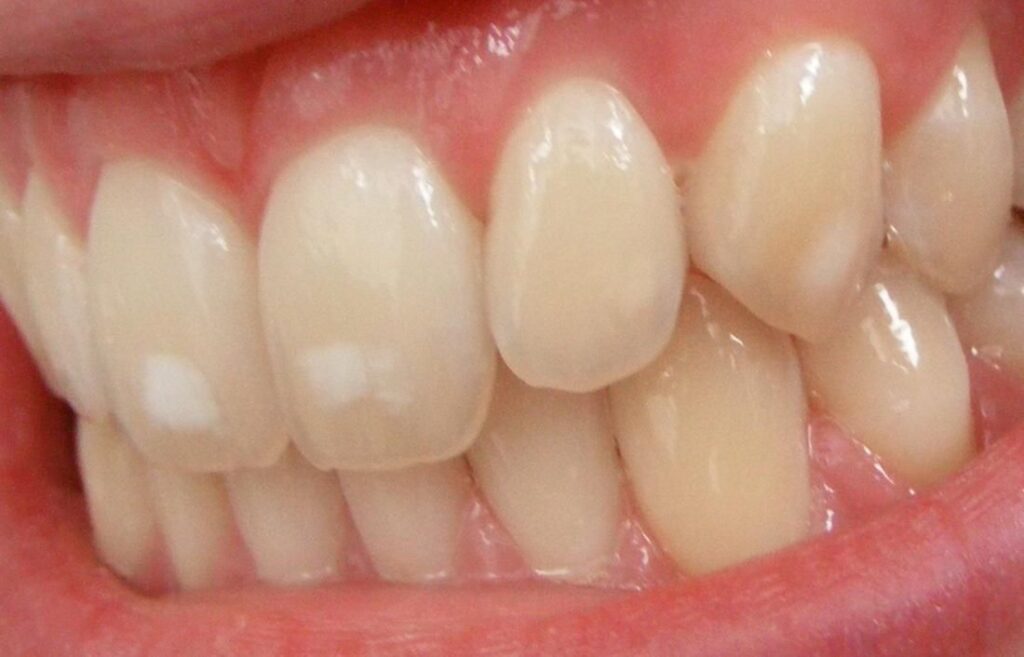
White spots on teeth are a common dental concern that can affect both children and adults. While they are usually harmless, they can impact the appearance of your smile and may indicate underlying enamel or oral health issues. Many people search for ways to clean or remove white spots on teeth safely and effectively—without damaging their enamel.
In this in-depth guide, you’ll learn what causes white spots on teeth, how to clean and reduce them naturally and professionally, and how to prevent them from coming back. Whether your white spots appeared after braces, due to poor oral hygiene, or from enamel issues, this article covers everything you need to know.
What Are White Spots on Teeth?
White spots on teeth are areas of enamel that have lost minerals, a condition known as enamel demineralization. Instead of appearing shiny and translucent like healthy enamel, these areas look dull, chalky, or milky white.
These spots can vary in size and visibility. Some are barely noticeable, while others are clearly visible when you smile. Although white spots are often an early sign of tooth enamel damage, they can usually be treated or improved if addressed early.
Common Causes of White Spots on Teeth
Understanding the cause of white spots is the first step toward cleaning and treating them effectively.
Poor Oral Hygiene
When plaque builds up on teeth due to inadequate brushing and flossing, acids produced by bacteria begin to erode the enamel. This acid attack removes minerals from the enamel, leading to white spots.
Braces and Orthodontic Treatment
White spots commonly develop around brackets after braces are removed. Braces make it harder to clean teeth thoroughly, allowing plaque and bacteria to remain trapped near the brackets.
Excessive Fluoride (Dental Fluorosis)
Too much fluoride during childhood can cause fluorosis, which leads to white streaks or patches on teeth. This usually affects permanent teeth as they develop under the gums.
Acidic Foods and Drinks
Frequent consumption of soda, citrus fruits, sports drinks, and other acidic foods can weaken enamel and contribute to white spot formation.
Dry Mouth
Saliva helps neutralize acids and remineralize enamel. Reduced saliva flow can increase the risk of enamel damage and white spots.
Can White Spots on Teeth Be Cleaned or Removed?
White spots cannot always be “cleaned” like surface stains, because they are often caused by changes within the enamel itself. However, many white spots can be reduced, faded, or blended with proper care and treatment.
The effectiveness of treatment depends on:
- The severity of enamel damage
- The underlying cause
- How early the condition is addressed
How to Clean White Spots on Teeth at Home?
For mild white spots, especially those caused by early enamel demineralization, at-home care can significantly improve their appearance.
Improve Your Oral Hygiene Routine
Proper oral hygiene is the foundation of treating white spots on teeth.
- Brush twice daily with a soft-bristled toothbrush
- Use fluoride toothpaste to strengthen enamel
- Floss daily to remove plaque between teeth
- Rinse with an alcohol-free mouthwash
Consistent oral care helps stop further enamel damage and allows natural remineralization.
Use Remineralizing Toothpaste
Special remineralizing toothpastes contain ingredients like:
- Fluoride
- Calcium phosphate
- Hydroxyapatite
These help restore lost minerals to weakened enamel and can gradually reduce the appearance of white spots on teeth.
Try Oil Pulling
Oil pulling with coconut oil is a traditional method that may help reduce harmful bacteria in the mouth. While it won’t remove white spots directly, it can support better oral health when used alongside brushing and flossing.
Limit Acidic and Sugary Foods
Reducing sugar and acid intake prevents further enamel erosion. If you do consume acidic foods or drinks, rinse your mouth with water afterward and wait at least 30 minutes before brushing.
Professional Dental Treatments for White Spots on Teeth
When white spots are more noticeable or resistant to home care, professional dental treatments offer more effective solutions.
Teeth Whitening
In some cases, professional whitening can help blend white spots with the surrounding tooth color. However, whitening does not always remove white spots and may sometimes make them more noticeable if not done correctly.
A dentist can determine whether whitening is suitable for your specific case.
Enamel Microabrasion
Enamel microabrasion is a minimally invasive procedure that removes a very thin layer of surface enamel to reduce or eliminate white spots. This technique works best for superficial white spots and produces long-lasting results.
Resin Infiltration
Resin infiltration is one of the most effective modern treatments for white spots on teeth. A clear resin is applied to the affected area, penetrating the porous enamel and restoring a more natural appearance.
This treatment is painless, quick, and preserves most of the natural tooth structure.
Dental Bonding or Veneers
For severe or deep white spots that do not respond to other treatments, cosmetic options like dental bonding or veneers may be recommended. These cover the affected areas and provide a uniform, natural-looking smile.
Are Home Remedies Safe for Cleaning White Spots on Teeth?
Many online remedies claim to remove white spots using ingredients like baking soda, lemon juice, or apple cider vinegar. These methods are not recommended.
Abrasive or acidic substances can:
- Worsen enamel damage
- Increase tooth sensitivity
- Make white spots more noticeable
Always prioritize enamel-safe methods and consult a dentist before trying unverified treatments.
How Long Does It Take to See Improvement?
The timeline for improvement depends on the treatment method:
- Improved oral hygiene: Several weeks to months
- Remineralizing products: 1–3 months
- Professional treatments: Immediate or within a few dental visits
Early intervention leads to better and faster results.
Preventing White Spots on Teeth in the Future
Prevention is the most effective way to maintain a healthy, spot-free smile.
Maintain Consistent Oral Care
- Brush twice daily with fluoride toothpaste
- Floss daily
- Visit your dentist every six months
Use Fluoride Correctly
Fluoride strengthens enamel, but excessive use—especially in children—should be avoided. Follow professional recommendations for fluoride products.
Stay Hydrated
Drinking water throughout the day helps wash away food particles, neutralize acids, and support saliva production.
Protect Teeth During Orthodontic Treatment
If you have braces:
- Use orthodontic-friendly brushes
- Clean around brackets carefully
- Consider fluoride rinses
These steps significantly reduce the risk of white spots after braces.
When Should You See a Dentist?
You should consult a dentist if:
- White spots are increasing in size or number
- You experience tooth sensitivity or pain
- Home care does not improve the appearance
- White spots appeared suddenly
A dentist can accurately diagnose the cause and recommend the safest and most effective treatment.
Final Thoughts
White spots on teeth may seem like a cosmetic issue, but they often signal changes in enamel health. The good news is that most white spots can be cleaned, reduced, or treated with the right approach. From improving daily oral hygiene to advanced dental treatments, there are safe and effective options available for every situation.
By understanding the cause of white spots on teeth and taking proactive steps, you can restore your smile’s appearance and protect your long-term dental health.
FAQs
Are white spots on teeth permanent?
Not always. Many white spots can be reduced or reversed, especially when treated early with proper care or professional treatments.
Can children get white spots on teeth?
Yes. White spots are common in children due to fluorosis, poor oral hygiene, or early enamel issues.
Do white spots mean tooth decay?
White spots can be an early sign of enamel demineralization, which may lead to decay if untreated. Early intervention can prevent cavities.