Introduction
Whitechapel, Tower Hamlets is one of the most well-known areas in East London, shaped by centuries of history and constant change. Located just a short distance from the City of London, Whitechapel has long been a place where different cultures, communities, and ideas come together. It is an area that reflects London’s wider story, from its early growth as a trading city to its modern role as a global capital.
Today, Whitechapel in the London Borough of Tower Hamlets matters for several reasons. Historically, it has been at the centre of major social and economic changes. Culturally, it is one of the most diverse neighbourhoods in the UK, known for its strong community ties and traditions. In modern London life, Whitechapel plays an important role as a place to live, work, study, and visit, with ongoing regeneration bringing new energy while still respecting the area’s roots.
Whitechapel’s Place Within the London Borough of Tower Hamlets
Whitechapel sits in the western part of the London Borough of Tower Hamlets, close to areas such as Stepney, Bethnal Green, and Aldgate. Its location places it on the edge of central London, making it a key link between the historic City and the wider East End. Major roads, rail lines, and walking routes pass through Whitechapel, underlining its importance as a connecting point.
Within Tower Hamlets, Whitechapel has a unique identity. While the borough is known for its mix of residential neighbourhoods, business districts, and riverside developments, Whitechapel stands out for its long-established communities and public institutions. It is home to major healthcare, education, and cultural centres that serve not only local residents but people from across London. This makes Whitechapel an essential part of Tower Hamlets’ overall character and daily life.
A Brief History of Whitechapel
The history of Whitechapel stretches back hundreds of years. In its early days, the area developed outside the walls of the City of London. It became a place where travellers, traders, and workers settled, attracted by affordable housing and access to work. Over time, Whitechapel grew into a busy neighbourhood known for small industries, markets, and workshops.
Several major events shaped Whitechapel’s reputation and development. During the 19th century, it became associated with poverty and overcrowding, but also with strong community support networks. Waves of immigration, including Jewish, Irish, and later Bangladeshi communities, left a lasting mark on the area’s culture and identity. The Second World War brought heavy bombing, leading to rebuilding and changes in housing. Each period of history added new layers to Whitechapel, Tower Hamlets, making it one of London’s most historically rich areas.
Cultural Identity and Community Life in Whitechapel
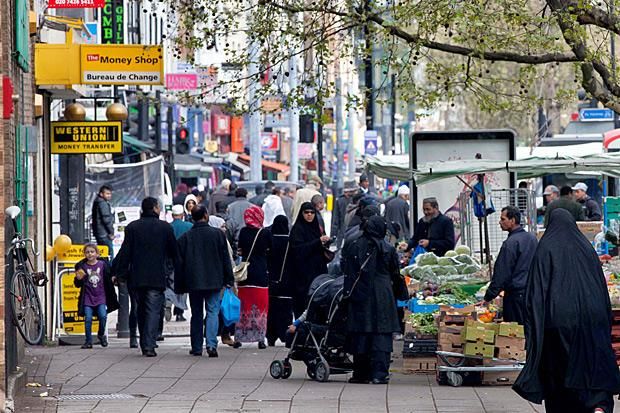
One of the defining features of Whitechapel is its cultural diversity. People from many backgrounds have made the area their home, creating a neighbourhood where different languages, religions, and traditions exist side by side. This diversity is visible in everyday life, from places of worship and community centres to food, festivals, and local businesses.
Community life in Whitechapel remains strong. Long-standing residents often live alongside newer arrivals, including students and young professionals. Local organisations, charities, and cultural spaces play a key role in bringing people together. Despite ongoing change, Whitechapel has managed to keep a sense of social connection that is sometimes lost in larger cities. This balance between tradition and modern living gives Whitechapel, Tower Hamlets a social character that feels both welcoming and real.
Landmarks and Notable Places in Whitechapel
Whitechapel is home to many landmarks that reflect its history and role within Tower Hamlets. Some buildings have stood for generations and continue to serve the community today. Hospitals, religious buildings, and former industrial sites tell the story of how the area developed and adapted over time.
Certain streets and public spaces are especially important to Whitechapel’s identity. Markets, galleries, and educational institutions attract visitors and locals alike. These places are not just tourist sites but active parts of everyday life. Together, they help define Whitechapel as an area where history is not hidden away but remains visible and meaningful in the modern city.
Whitechapel’s Role in Modern Tower Hamlets
In recent years, Whitechapel has been at the centre of major regeneration efforts within Tower Hamlets. New housing, improved public spaces, and updated transport links have changed the look and feel of the area. These developments aim to support growth while improving quality of life for residents.
At the same time, there is a clear effort to retain Whitechapel’s character. Historic buildings are often reused rather than replaced, and community voices play a role in planning decisions. This approach reflects a wider goal within Tower Hamlets to manage change carefully. Whitechapel’s role today is not just about development but about showing how an area can evolve without losing its identity.
Living, Working, and Visiting Whitechapel
Living in Whitechapel offers a mix of old and new. Residential areas include social housing, modern apartments, and older homes, meeting the needs of different households. Local amenities such as schools, healthcare services, shops, and parks make daily life practical and connected.
Many people also work in Whitechapel, Tower Hamlets. The area supports jobs in healthcare, education, retail, and creative industries. For visitors, Whitechapel provides cultural experiences, historic interest, and easy access to other parts of London. People choose to live in or visit Whitechapel because it feels authentic, diverse, and well connected, offering a different pace from more polished central districts.
Transport and Connectivity in Whitechapel
Transport is one of Whitechapel’s strongest advantages. The area is served by several Underground and rail lines, making travel across London fast and convenient. Buses, cycling routes, and walkable streets further improve local mobility.
Whitechapel’s transport links connect it directly to key areas such as the City, Canary Wharf, and beyond. This level of accessibility has played a major role in the area’s growth and regeneration. For residents, workers, and visitors, strong connectivity makes Whitechapel, Tower Hamlets an easy place to reach and a practical base within London.
Conclusion
Whitechapel, Tower Hamlets is an area defined by change, resilience, and diversity. From its early beginnings outside the City of London to its role in modern urban life, Whitechapel has continually adapted while holding on to its core identity. Its history, cultural richness, and community spirit make it one of the most distinctive parts of East London.
As Whitechapel continues to evolve, it remains an important part of Tower Hamlets and London as a whole. The area shows how the past and present can exist together, shaping a neighbourhood that feels lived-in, meaningful, and connected. Whitechapel’s story is still being written, and its place within Tower Hamlets remains as relevant today as it has ever been.
FAQs
Is Whitechapel part of Tower Hamlets?
Yes, Whitechapel is a key area within the London Borough of Tower Hamlets, located in East London near the City.
What is Whitechapel Tower Hamlets famous for?
It is known for its history, cultural diversity, medical institutions, markets, and its role in shaping East London’s identity.
Is Whitechapel a good place to live?
Whitechapel offers good transport, local amenities, and a strong community feel, making it popular with residents, students, and professionals.
How well connected is Whitechapel?
Whitechapel has excellent transport links, including Underground lines, the Elizabeth line, buses, and easy access to central London.
Is Whitechapel safe and family-friendly?
Like many London areas, safety varies by location, but Whitechapel has active communities, services, and ongoing improvements supporting families and residents.