
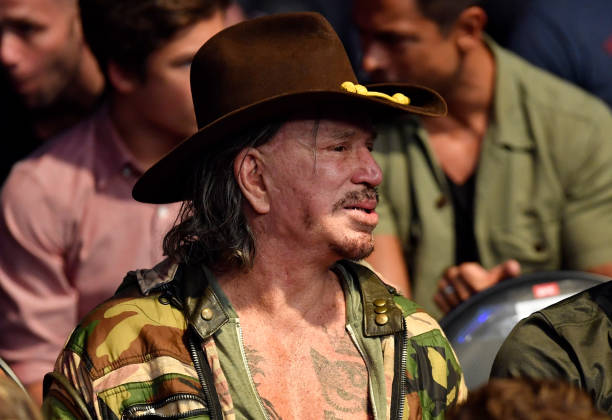
Mickey Rourke is one of Hollywood’s most intriguing, complex, and unforgettable figures. Known for his striking looks in the 1980s, his raw emotional performances, and his dramatic return to the spotlight after years away from mainstream cinema, Rourke’s story is one of reinvention, resilience, and rebellion. Whether you know him from 9½ Weeks, Angel Heart, The Wrestler, or his later character roles, Mickey Rourke remains a symbol of unconventional stardom. But who is Mickey Rourke, really? This comprehensive biography explores his early life, rise to fame, career transformation, and legacy in the world of entertainment.
Early Life and Background
Mickey Rourke was born Philip Andre Rourke Jr. on September 16, 1952 in Schenectady, New York. His childhood, however, was far from stable. After his parents divorced when he was young, Rourke moved with his mother to Miami, Florida. Growing up in a working-class environment, he developed a tough exterior early on. His experiences in Miami would shape his rebellious personality and later influence both his acting style and choices of roles.
Before he ever became a movie star, Rourke discovered a passion for boxing, a sport that played a major role in the first and second chapters of his life. As a teenager, he trained at the 5th Street Gym, the same gym where legendary champions like Muhammad Ali once prepared for their fights. Rourke was a talented and determined young boxer with dreams of going professional.
His early years were marked by discipline inside the ring but emotional conflict outside it. These contradictions—strength and vulnerability—eventually became trademarks of his acting persona.
Early Acting Journey
After suffering a concussion in the ring, Rourke put boxing aside and turned his attention to acting. He moved to New York City and studied under famed acting coach Lee Strasberg, who immediately recognized his potential. Strasberg once reportedly said that Rourke was “the next Marlon Brando,” a statement that speaks to the raw intensity Rourke brought to the craft.
In the late 1970s, Rourke began landing small television roles and minor film appearances. His breakthrough came with the 1981 film “Body Heat,” where he captivated audiences despite having only a brief scene. His charisma, combined with his ability to express deep emotion without saying much, made him an actor to watch.
Rise to Fame: The 1980s Icon
The 1980s were the defining years of Mickey Rourke’s early cinematic career. During this decade, he became known as one of Hollywood’s most magnetic talents. He starred in several critically acclaimed films and quickly gained a reputation as a unique, unconventional leading man.
Key Films from the 1980s
- Diner (1982) – Rourke’s performance as the brooding, charming “Boogie” earned him critical praise and attention from prestigious directors.
- Rumble Fish (1983) – Directed by Francis Ford Coppola, Rourke’s haunting portrayal of “The Motorcycle Boy” became one of his most iconic early roles.
- 9½ Weeks (1986) – His role opposite Kim Basinger turned him into a global sex symbol and solidified his status in pop culture.
- Angel Heart (1987) – A chilling, atmospheric thriller where Rourke once again proved his depth and versatility.
By the late 80s, Rourke was considered one of the most talented actors of his generation. But fame came with a price. Known for resisting Hollywood norms, clashing with directors, and turning down major roles, Rourke’s personal struggles began affecting his career trajectory.
Turning Away From Hollywood and Returning to Boxing
At the height of his fame, Mickey Rourke did something few actors would dare to do—he walked away from Hollywood to return to boxing. Driven by frustration with the film industry and personal turmoil, Rourke stepped back into the ring in the early 1990s.
He competed in several professional matches and impressively remained undefeated. However, the sport came with consequences. Rourke endured numerous injuries, including broken bones and facial damage, which later required reconstructive surgeries. His appearance changed significantly, becoming a topic of media attention for years.
Although boxing offered him discipline and escape, it also made it more difficult for him to regain his standing in Hollywood. Still, Rourke’s determination and refusal to conform remained defining aspects of his persona.
The Comeback: A Modern Hollywood Legend
After years away from the spotlight, Rourke began rebuilding his acting career in the early 2000s. He took on smaller, gritty character roles that showcased his emotional depth and real-life experience.
His true comeback, however, arrived with “The Wrestler” (2008), directed by Darren Aronofsky. Rourke’s portrayal of Randy “The Ram” Robinson—an aging wrestler seeking redemption—was widely considered the performance of his career. The role mirrored Rourke’s own life struggles, making it both heartbreaking and powerful.
Awards and Recognition
- Golden Globe Award for Best Actor
- BAFTA Award for Best Actor
- Academy Award nomination for Best Actor
Rourke’s comeback story became an inspiration, proving that resilience and authenticity could triumph over adversity.
Later Career and Continued Success
Following the success of The Wrestler, Rourke appeared in major films such as:
- Iron Man 2 (2010) – as the villain Whiplash
- The Expendables (2010) – alongside action legends
- Sin City (2005 and 2014) – as Marv, one of the most memorable characters in the franchise
His willingness to embrace unusual, intense, and emotionally demanding roles kept him relevant in Hollywood’s evolving landscape.
Legacy and Impact
So, who is Mickey Rourke? Beyond his filmography, he is a symbol of artistic rebellion, vulnerability, and resilience. His career embodies the unpredictable nature of Hollywood, the pain of personal struggle, and the power of reinvention.
Rourke’s performances have inspired actors, directors, and audiences for decades. His raw authenticity and refusal to fit the Hollywood mold have made him a cult icon rather than a traditional movie star.
Despite ups and downs, Mickey Rourke remains one of the most fascinating figures in modern cinema—a man whose life has been as cinematic as the roles he’s played.