Introduction
If you’ve ever noticed a popping or clicking sound when you chew, you might wonder what’s happening inside your jaw. Jaw popping is a fairly common experience and, in most cases, isn’t a serious concern. The sound usually comes from the temporomandibular joint, or TMJ, which is the hinge connecting your jaw to your skull. This joint allows you to chew, speak, and move your mouth smoothly.
Sometimes, a popping sound is harmless and happens occasionally. Other times, it can signal a problem with the joint or surrounding muscles. In this article, we’ll explore why your jaw pops when you chew, the most common causes, when to seek professional advice, and simple ways to manage or reduce jaw popping. By understanding what’s happening, you can take steps to protect your jaw and maintain comfort while eating or talking.
What Happens Inside Your Jaw When It Pops
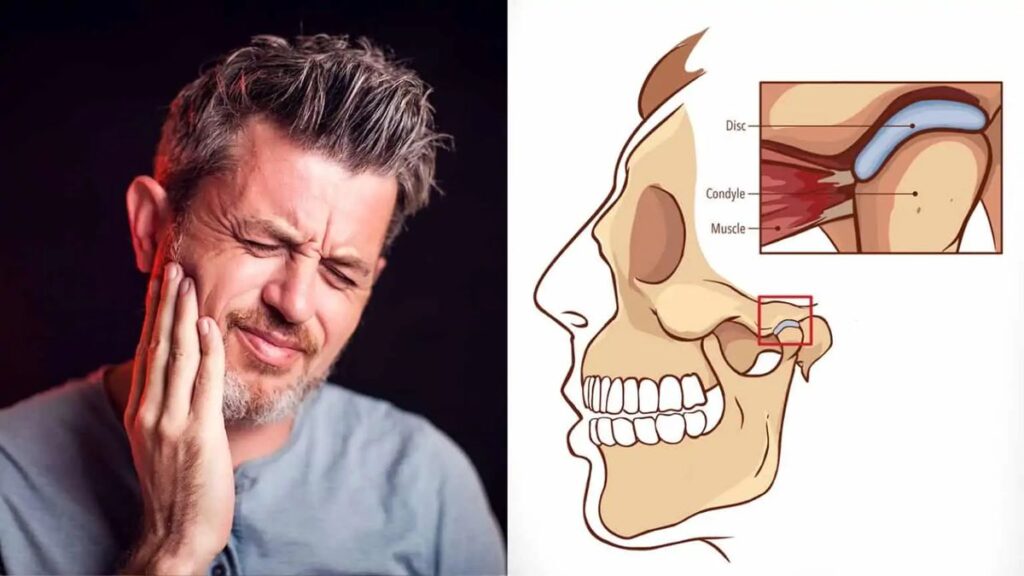
The temporomandibular joint is a small but complex hinge. Unlike a simple hinge, it has a sliding motion that allows your jaw to move up and down as well as side to side. Between the bones of the joint sits a soft cartilage disc that cushions the movement.
Jaw popping often occurs when this disc moves slightly out of place and then snaps back into its normal position as you open or close your mouth. Sometimes, the popping may also be caused by tiny air bubbles in the fluid around the joint. When these bubbles collapse or burst, they create a clicking or popping noise.
Most of the time, these noises are harmless. Occasional jaw popping without pain is often just a natural variation in how your joint moves. It becomes more concerning only if it is accompanied by pain, restricted movement, or locking of the jaw.
Common Causes of Jaw Popping
Bruxism (Teeth Grinding and Jaw Clenching)
Bruxism is the medical term for habitual teeth grinding or jaw clenching. Many people do this unconsciously, often during sleep or when feeling stressed. Constant pressure on the TMJ from grinding or clenching can cause the cartilage disc to shift or put extra strain on the surrounding muscles. Over time, this can lead to frequent popping and discomfort while chewing.
Jaw Misalignment
Jaw misalignment, also called malocclusion, happens when your teeth don’t fit together perfectly. Even a small difference in how your upper and lower teeth meet can affect how smoothly the jaw moves. If the joint has to adjust with every bite, it can cause a popping sound each time you chew.
Injury or Trauma
Past injuries to the jaw, face, or neck can also contribute to jaw popping. Sports injuries, falls, or whiplash from car accidents may damage the TMJ or its supporting structures. Sometimes, the joint heals in a slightly altered position, leading to clicking or popping when you move your jaw.
Arthritis and Joint Wear
Arthritis can wear down the cartilage in the TMJ, leading to friction and noise when the jaw moves. Osteoarthritis, which occurs from natural wear and tear, and rheumatoid arthritis, an autoimmune condition, both have the potential to cause jaw popping. In these cases, the popping may be accompanied by tenderness or stiffness in the joint.
Muscle Tension and Fatigue
The muscles around the jaw, face, and neck play a key role in jaw movement. Tension or fatigue in these muscles can pull the jaw slightly out of alignment while you chew, creating a popping sound. Stress, poor posture, or even overuse from excessive chewing can contribute to this tension.
Signs That Jaw Popping Could Be a Problem
Occasional jaw popping is usually nothing to worry about, but frequent or painful popping deserves attention. Signs that your jaw may need professional evaluation include consistent pain in the jaw, face, or around the ear, difficulty opening your mouth fully, or a feeling of your jaw “locking” in place.
You might also notice headaches or neck pain linked to jaw movement. If you experience any of these symptoms along with popping, it’s a good idea to consult a dentist or TMJ specialist. Early evaluation can prevent further strain on the joint and help you avoid long-term complications.
Simple Steps to Reduce Jaw Popping and Protect Your TMJ
Even if your jaw popping is not serious, there are ways to reduce strain and improve comfort. Simple lifestyle adjustments, like managing stress, can help prevent habits like teeth grinding. Paying attention to how you chew and avoiding chewing gum excessively may also ease pressure on the joint.
Gentle home exercises can improve jaw mobility and relax the surrounding muscles. Stretching and massage for the jaw and neck can reduce tension and make movement smoother.
If popping persists or worsens, professional intervention may be needed. Early action can prevent more serious issues and improve overall jaw function.
Treatments and Professional Options
For frequent or painful jaw popping, dentists or TMJ specialists can provide non-invasive treatments. Dental appliances, such as mouthguards, help reduce teeth grinding and relieve pressure on the joint. Physical therapy can strengthen and stretch the jaw muscles, and anti-inflammatory medications may ease pain and swelling.
In rare cases where conservative measures are not effective, advanced treatments like specialized TMJ procedures or surgery may be considered. It’s important to remember that these options are usually only needed when other approaches have failed. Professional evaluation ensures that the treatment is tailored to your specific condition and needs.
Conclusion
Jaw popping when you chew is a common experience and is usually harmless, especially if it happens occasionally without pain. Most popping comes from natural movement of the TMJ or harmless air bubbles in the joint fluid.
However, frequent popping accompanied by pain, locking, or discomfort should prompt a visit to a dentist or TMJ specialist. Understanding the causes and taking simple preventive steps—like managing stress, practicing gentle exercises, and being mindful of jaw habits—can protect your joint and reduce discomfort.
Being informed about why your jaw pops when you chew helps you make better choices for your jaw health and gives peace of mind that most popping is not a serious problem.
FAQs
Is it normal for my jaw to pop when I chew?
Yes, occasional popping is usually harmless and often caused by natural movement of the jaw or small air bubbles in the joint fluid.
When should I worry about jaw popping?
If the popping is frequent, painful, causes locking, or comes with headaches or ear pain, you should consult a dentist or TMJ specialist.
Can stress make my jaw pop?
Yes, stress can lead to teeth grinding or jaw clenching, which puts extra pressure on the TMJ and can cause popping.
Are there exercises to stop jaw popping?
Gentle jaw stretches, massages, and relaxation exercises can reduce tension and improve joint movement. Avoid over-chewing or hard foods.
Will jaw popping go away on its own?
Sometimes it does, especially if it’s occasional. Persistent popping with discomfort may need professional evaluation.