Introduction
Nestled atop a hill in western Belize, overlooking the Mopan River, Xunantunich is one of the country’s most captivating Maya archaeological sites. Its name, which translates to “Stone Woman,” evokes the mystery and grandeur that draw both history enthusiasts and casual travelers alike. Xunantunich is more than just a collection of ancient ruins; it is a living testament to the ingenuity and culture of the Maya civilization.
Visitors are often mesmerized by the scale of its stone structures, the intricacy of its carvings, and the sweeping views of the surrounding rainforest. Whether you are a history lover, an archaeology enthusiast, or simply seeking a unique travel experience, Xunantunich offers a remarkable glimpse into the past.
Understanding Xunantunich and Why It Still Captivates Visitors
Xunantunich stands as one of Belize’s most significant Maya sites, famous for both its impressive architecture and its cultural resonance. Unlike some other ruins that feel distant or disconnected, Xunantunich retains a sense of life and vitality.
The site sits atop a ridge, which allows visitors to take in panoramic views of the Belizean countryside, creating an immersive experience that blends nature with history. Walking among its plazas and temples, it is easy to imagine the bustling activity that once took place here, from ceremonial events to everyday life in the Maya city. The atmosphere of Xunantunich is at once peaceful and awe-inspiring, making it a memorable stop for anyone exploring Belize.
The Story Behind Xunantunich: Origins, History, and Cultural Meaning
Xunantunich was a thriving city during the Late and Terminal Classic periods of the Maya civilization, roughly between 600 and 900 AD. Archaeologists believe it was an important political and ceremonial center, serving as a hub for surrounding communities. The city’s architecture reflects advanced engineering, including carefully constructed plazas, temples, and ball courts.
The Maya who built Xunantunich were highly skilled in both art and mathematics, and their legacy is still visible in the detailed stucco sculptures and carvings that adorn the structures. Culturally, Xunantunich was likely a place of both governance and spiritual significance, where rulers displayed their power and citizens gathered for rituals. Today, the site allows visitors to connect with that rich history and gain insight into the lives of the people who once called it home.
Exploring the Heart of Xunantunich: Key Structures and Iconic Highlights
The central plaza of Xunantunich is surrounded by towering structures, each with its own story to tell. Visitors can explore ceremonial platforms, royal residences, and smaller temples that were used for various community and religious purposes. The layout of the site reflects careful planning, with pathways and plazas designed to guide movement and emphasize important buildings.
One of the highlights is the detailed friezes and carvings that depict Maya gods, rulers, and symbolic motifs. These artistic details provide a rare glimpse into Maya beliefs, daily life, and the city’s political hierarchy. Walking through the heart of Xunantunich, it becomes clear why the site is considered one of Belize’s archaeological treasures.
El Castillo: The Landmark Structure That Defines Xunantunich
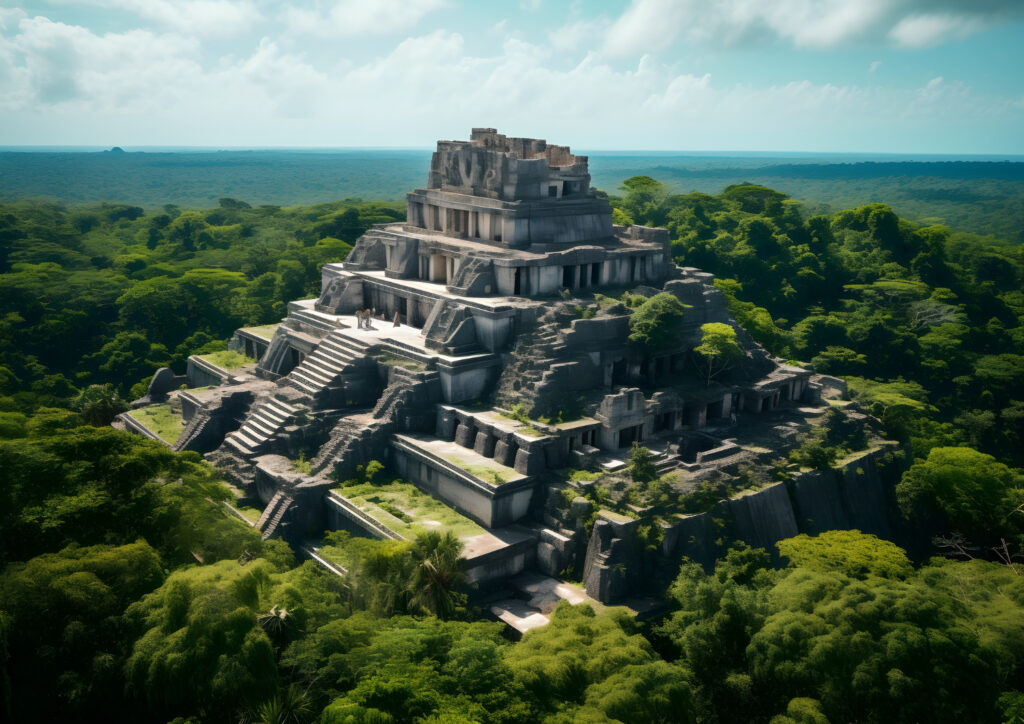
At the center of Xunantunich rises El Castillo, a towering pyramid that reaches approximately 130 feet high. This iconic structure is the largest in the city and offers breathtaking views of the surrounding hills and rivers. El Castillo is not only a visual centerpiece but also an important cultural artifact. Its walls feature intricate carvings, including depictions of Maya rulers and mythological scenes.
Scholars suggest that the pyramid served both ceremonial and administrative purposes, symbolizing the city’s political power and religious significance. For visitors, climbing El Castillo is a highlight of any trip, providing both a physical challenge and a remarkable opportunity to step back in time.
What It’s Like to Visit Xunantunich Today?
Visiting Xunantunich is a journey into history that feels both accessible and awe-inspiring. The site is well-maintained, with pathways that allow for easy exploration while preserving the integrity of the ruins. Visitors can wander through plazas, ascend El Castillo, and admire the stone carvings up close.
The surrounding landscape, including views of the Mopan River and dense jungle, adds a layer of natural beauty to the experience. Many travelers find that visiting Xunantunich sparks curiosity and reflection, offering moments of quiet contemplation alongside the excitement of discovery. It is a place where history is tangible and the past comes alive in a meaningful way.
Getting to Xunantunich and Practical Visiting Essentials
Xunantunich is located near the town of San Ignacio, in western Belize. Visitors typically reach the site by car or organized tour, followed by a short ferry ride across the Mopan River. The ferry adds a sense of adventure and provides excellent photo opportunities. Entrance fees are reasonable, and guided tours are available for those who want deeper insight into the history and symbolism of the structures.
Comfortable walking shoes, sunscreen, water, and a camera are recommended to make the most of the visit. Accessibility is generally good, though some climbing is required to reach the top of El Castillo, so visitors should be prepared for moderate physical activity.
Best Time to Experience Xunantunich and How to Plan Your Visit Smoothly
The best time to visit Xunantunich is during the dry season, which runs from late November to mid-April. During this period, trails are less muddy, and the weather is generally pleasant for exploring. Early mornings are ideal for avoiding crowds and enjoying cooler temperatures.
Visitors should plan for at least a half-day to fully explore the site, allowing time to climb El Castillo, wander the plazas, and take in the views. Planning ahead ensures a smoother experience, and bringing light snacks or a picnic can enhance the visit, as there are areas nearby to relax after exploring the ruins.
Preserving Xunantunich for the Future
Xunantunich is a fragile cultural treasure that requires careful preservation. Archaeologists and conservationists work continuously to protect the site from natural decay and human impact. Visitors play a key role in this effort by respecting barriers, avoiding climbing on fragile structures, and following site rules.
Learning about and appreciating Xunantunich’s significance encourages responsible tourism, ensuring that future generations can also experience the wonder of this ancient Maya city. By treating the site with care, visitors help maintain its historical and cultural value for years to come.
Conclusion
Xunantunich is more than an archaeological site; it is a window into the past and a celebration of Maya ingenuity, culture, and art. From the soaring heights of El Castillo to the detailed carvings that tell stories of rulers and deities, every corner of Xunantunich offers insight and inspiration. Visiting the site allows travelers to connect with history in a tangible way, while also enjoying the natural beauty of Belize’s western region. By exploring, learning, and respecting this ancient city, visitors help keep the legacy of Xunantunich alive, enriching their own understanding of Maya heritage and ensuring that this remarkable site continues to captivate future generations.
FAQs
What is Xunantunich?
Xunantunich is an ancient Maya city in Belize, known for its pyramids, stone carvings, and historical significance.
How do I get to Xunantunich?
Visitors usually drive or take a tour to San Ignacio, then cross the Mopan River by ferry and walk a short distance to the site.
What is the main attraction at Xunantunich?
The El Castillo pyramid, which offers stunning views and intricate Maya carvings, is the site’s most famous feature.
When is the best time to visit Xunantunich?
The dry season (November to April) is ideal for comfortable exploring and clearer views.
How long should I plan to spend at Xunantunich?
Most visitors spend around 3–4 hours, enough to explore the main ruins and enjoy the scenery.