
Introduction
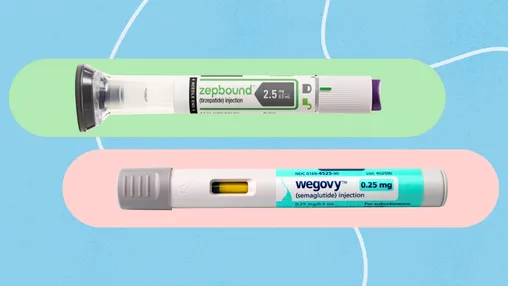
When people search for modern weight-loss treatments, the comparison Zepbound vs Wegovy often comes up. These two medications have gained significant attention because they can help people lose a substantial amount of weight when combined with healthy lifestyle changes.
Zepbound (tirzepatide) and Wegovy (semaglutide) are both prescription medications approved by the U.S. Food and Drug Administration for chronic weight management. They are given as once-weekly injections and are usually recommended for adults with obesity or those who are overweight and have related health conditions.
Interest in these medications has grown because traditional diet plans and exercise alone may not work for everyone. Many people struggle with long-term weight loss due to hormonal factors that affect appetite and metabolism. These newer medications help regulate those signals in the body, making it easier to control hunger and maintain healthier eating habits.
Because both drugs are used for weight loss and share some similarities, many patients and healthcare providers want to understand how they compare. This article explains the key differences between Zepbound vs Wegovy, including how they work, their effectiveness, side effects, costs, and who may be eligible to use them. By the end, readers will have a clearer understanding of these treatments and how they may fit into a long-term weight-management plan.
Understanding Zepbound (Tirzepatide)
Zepbound (tirzepatide) is a newer medication developed by Eli Lilly and Company for chronic weight management. It was approved in 2023 and has quickly gained attention because clinical studies showed impressive weight-loss results.
Zepbound is given as a once-weekly injection under the skin. It is designed to help people with obesity or those who are overweight and have related health conditions such as high blood pressure or type 2 diabetes risk factors.
What makes Zepbound unique is that it works on two hormones that control appetite and blood sugar levels. By targeting these signals in the body, the medication helps people feel full sooner, reduces hunger, and slows down the rate at which food leaves the stomach. As a result, many patients naturally eat fewer calories without feeling constantly hungry.
Clinical studies have shown that people using Zepbound alongside diet and exercise programs can lose a significant percentage of their body weight over time. Because of these results, it has become one of the most talked-about medications in the field of medical weight management.
Understanding Wegovy (Semaglutide)
Wegovy (semaglutide) is another popular prescription medication used to treat obesity and long-term weight management. It is produced by Novo Nordisk and was approved for weight management in 2021.
Like Zepbound, Wegovy is also taken as a once-weekly injection. It belongs to a group of medications known as GLP-1 receptor agonists, which mimic a natural hormone in the body that helps regulate appetite.
When someone takes Wegovy, the medication helps send signals to the brain that increase feelings of fullness and reduce hunger. It also slows the emptying of the stomach, which helps people stay satisfied longer after meals.
Wegovy became widely known because studies showed that many patients lost a meaningful amount of weight when using it along with lifestyle changes. In addition to weight loss, the medication has also been approved to help reduce the risk of serious cardiovascular events such as heart attack and stroke in adults with heart disease.
Because of its benefits and proven results, Wegovy remains one of the most commonly prescribed weight-loss medications today.
How Zepbound and Wegovy Work in the Body?
Understanding how these medications work can help explain the difference between Zepbound vs Wegovy.
Wegovy works by activating a hormone pathway called GLP-1. This hormone helps control appetite, blood sugar levels, and digestion. When the medication activates this pathway, it sends signals to the brain that reduce hunger and increase feelings of fullness. As a result, people often eat smaller portions and feel satisfied for longer periods.
Zepbound works in a slightly different way. Instead of targeting only one hormone, it activates two hormone pathways. These are the GLP-1 hormone and another hormone called GIP. By influencing both pathways at the same time, Zepbound can affect appetite regulation and metabolism more strongly.
This dual-action approach is one reason why researchers believe Zepbound may lead to greater weight loss in some patients compared with Wegovy. However, both medications ultimately work by helping people control hunger and maintain a lower calorie intake over time.
Weight Loss Results: Comparing Clinical Effectiveness
One of the main reasons people search for Zepbound vs Wegovy is to understand which medication leads to greater weight loss.
Clinical studies show that both medications are highly effective when used alongside diet changes and increased physical activity. However, the amount of weight loss can differ between the two treatments.
Research on Wegovy found that many participants lost around 15 percent of their body weight after about 68 weeks of treatment. For people struggling with obesity, this level of weight loss can significantly improve overall health and reduce the risk of conditions such as diabetes and heart disease.
Studies involving Zepbound have shown even greater results in some cases. Some clinical trials reported average weight loss reaching about 20 to 25 percent of body weight. This higher percentage is believed to be linked to the medication’s dual-hormone mechanism.
Although these numbers may sound impressive, results can vary widely from person to person. Lifestyle habits, medical history, and adherence to treatment all play important roles in determining how much weight someone may lose.
FDA Approvals and Medical Uses
Both medications are approved by the U.S. Food and Drug Administration for chronic weight management, but they also have some differences in their approved uses.
Wegovy is approved not only for weight management but also for reducing the risk of major cardiovascular events in adults who already have heart disease and obesity or overweight conditions. This makes it an important option for patients who need both weight control and heart-health protection.
Zepbound is approved for weight management in adults and has also received approval for treating moderate-to-severe obstructive sleep apnea in adults with obesity. This condition can significantly affect sleep quality and overall health, so this additional approval expands the medication’s potential benefits.
These differences in approvals are important when doctors decide which treatment might be most appropriate for a patient.
Dosage, Injection Schedule, and Treatment Process
Both medications follow a similar treatment approach. They are given as injections under the skin once a week, usually in the abdomen, thigh, or upper arm.
Doctors typically start patients on a lower dose and gradually increase it over several weeks. This gradual increase helps the body adjust to the medication and reduces the likelihood of side effects.
The treatment process usually involves regular follow-up visits with a healthcare provider. During these visits, doctors monitor weight changes, overall health, and any possible side effects.
Even though these medications can support weight loss, they are not meant to replace healthy lifestyle habits. Patients are generally encouraged to follow a balanced diet and stay physically active to achieve the best results.
Side Effects and Safety Considerations
Like many medications, both Zepbound and Wegovy can cause side effects. Fortunately, most side effects are mild and improve as the body adjusts to treatment.
Common side effects include nausea, vomiting, diarrhea, constipation, and stomach discomfort. These symptoms are related to how the medications slow digestion and affect appetite signals.
In some cases, people may also experience fatigue or reduced appetite during the early stages of treatment. Healthcare providers usually monitor patients closely to ensure the medication is safe and effective for them.
Although serious side effects are uncommon, patients should always discuss their medical history with a doctor before starting treatment. This helps ensure that the medication is appropriate for their health condition.
Eligibility and Age Requirements
Eligibility is another factor that people consider when comparing Zepbound vs Wegovy.
Wegovy is approved for adults and adolescents aged 12 years and older who meet certain weight criteria. This makes it one of the few medications available for younger individuals struggling with obesity.
Zepbound, on the other hand, is currently approved only for adults aged 18 and older. Doctors typically prescribe it for adults who have obesity or are overweight with related health risks.
Eligibility also depends on body mass index and the presence of health conditions linked to weight. A healthcare professional usually evaluates these factors before recommending treatment.
Cost, Insurance Coverage, and Affordability
The cost of these medications can be an important factor for many patients.
Without insurance coverage, both medications can be expensive. Monthly costs may range from several hundred dollars depending on the pharmacy and location.
However, some insurance plans may cover part of the cost if the medication is prescribed for medical reasons. In addition, manufacturers sometimes offer savings programs or coupons that can reduce out-of-pocket expenses for eligible patients.
Because pricing and coverage vary widely, it is usually best for patients to check with their insurance provider and healthcare professional before starting treatment.
Key Differences Between Zepbound and Wegovy at a Glance
| Feature | Zepbound (Tirzepatide) | Wegovy (Semaglutide) |
| Drug Type | Dual GIP and GLP-1 receptor agonist | GLP-1 receptor agonist |
| Injection Schedule | Once weekly | Once weekly |
| Average Weight Loss in Studies | Up to about 20–25% | Around 15% |
| Age Approval | Adults 18+ | Adults and adolescents 12+ |
| Additional Approved Uses | Treatment of obstructive sleep apnea in adults with obesity | Reduces risk of heart attack and stroke in adults with heart disease |
| Manufacturer | Eli Lilly and Company | Novo Nordisk |
Choosing Between Zepbound and Wegovy
Choosing between these two medications depends on several personal and medical factors. Doctors usually consider a patient’s overall health, medical history, and treatment goals when recommending a medication.
For some individuals, Wegovy may be preferred because of its cardiovascular benefits and its approval for adolescents. For others, Zepbound may be recommended due to its strong weight-loss results seen in clinical studies.
Availability, insurance coverage, and tolerance of side effects can also influence the decision. Because each patient’s situation is unique, it is important to discuss options with a healthcare professional who can provide personalized guidance.
Conclusion
The comparison of Zepbound vs Wegovy highlights two of the most advanced medications currently available for chronic weight management. Both treatments work by regulating appetite and helping people reduce calorie intake, making long-term weight loss more achievable for many patients.
Zepbound stands out for its dual-hormone mechanism and the significant weight-loss results reported in clinical trials. Wegovy, on the other hand, has strong evidence supporting both weight reduction and cardiovascular risk reduction.
Ultimately, the best option depends on individual health needs, eligibility, and medical advice. Anyone considering these medications should consult a qualified healthcare provider to determine which treatment may be the most appropriate and safe for their situation.
FAQs
Which works better for weight loss: Zepbound or Wegovy?
Clinical studies suggest Zepbound may lead to greater average weight loss, sometimes up to 20–25% of body weight, while Wegovy averages around 15%. However, results vary by individual.
Is Zepbound the same as Wegovy?
No. Zepbound and Wegovy are different medications. Zepbound targets two hormones (GIP and GLP-1), while Wegovy works only on GLP-1, which affects appetite and blood sugar control.
Can you switch from Wegovy to Zepbound?
Some patients may switch medications if recommended by a healthcare provider. Doctors typically evaluate treatment response, side effects, and medical history before making the change.
Which medication is cheaper: Zepbound or Wegovy?
The cost is usually similar. Without insurance, both medications may cost several hundred dollars per month, but insurance coverage or manufacturer savings programs can reduce the price.
Are Zepbound and Wegovy safe?
Both medications are FDA-approved and generally safe when used under medical supervision. The most common side effects include nausea, digestive discomfort, and reduced appetite.