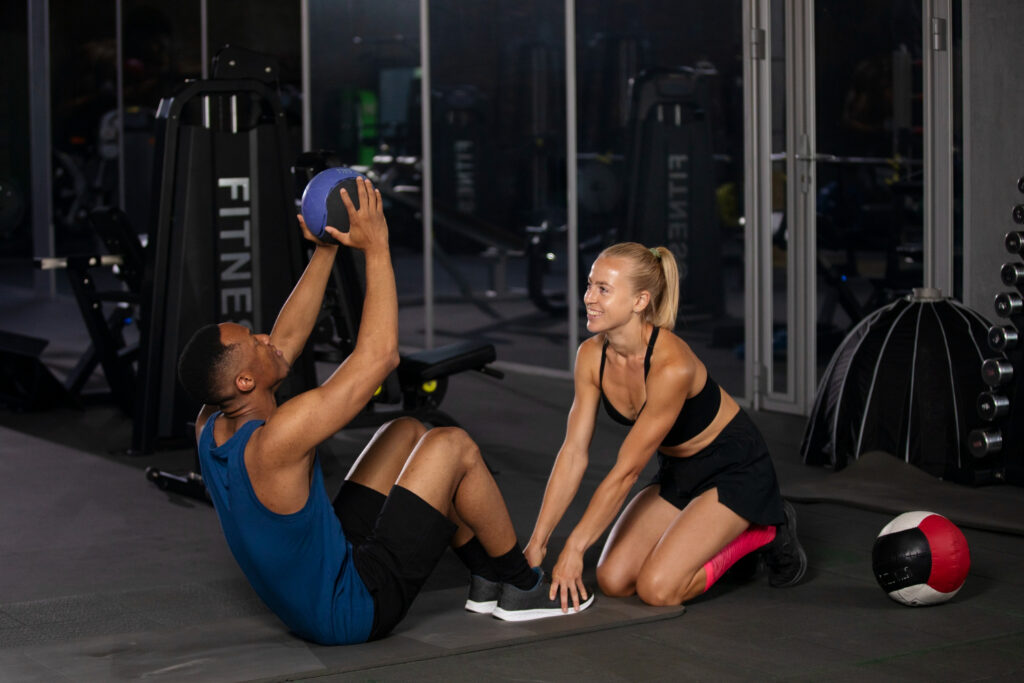

Fitness centers deal with intense daily use that includes weights, cardio machines, and constant foot traffic. Without proper protection, gym floors can easily develop cracks, dents, and surface wear that impact safety and appearance. Because flooring represents a major financial investment, gym owners must take proactive measures to preserve it. Fortunately, there are effective strategies that help extend floor life even under demanding conditions.
Using Protective Mats and Floor Guards
Weight racks, treadmills, ellipticals, and stationary bikes exert concentrated pressure on flooring. To prevent dents and surface damage, gyms use durable mats and specialized coverings. A high‑quality gym floor covering shields against dropped weights, vibration, and friction from heavy equipment. These coverings are especially helpful in free‑weight areas, where barbells and dumbbells frequently hit the ground.
Implementing Dropping Zones
Designated zones with reinforced flooring help manage the impact of heavy lifts such as deadlifts and Olympic movements. Rubber tiles, turf sections, or heavy‑duty mats reduce shock and prevent cracks or stress damage. Athletes benefit from safer footing, while gym owners protect the long‑term integrity of their flooring.
Routine Cleaning and Maintenance
Sweat, dirt, and chalk can erode flooring materials over time. Regular cleaning extends the life of rubber, vinyl, wood, and other commercial surfaces. Using cleaning agents designed specifically for gym environments prevents chemical damage. Maintenance teams also inspect flooring regularly for lifting edges, cracks, or uneven sections.
Rearranging Equipment Periodically
Keeping heavy machines in the same place for too long can cause compression spots and permanent indentations. Gyms that rotate equipment placement every few months reduce localized wear. This practice also promotes a fresher environment for members and allows staff to deep clean areas that are typically covered.
Enforcing Equipment Use Policies
Clear guidelines, such as not slamming weights unless in designated areas, help prevent unnecessary floor impacts. Gym staff can encourage members to use proper form and handle equipment responsibly. These policies reduce costly damage and create a more professional training environment.
Conclusion
Protecting gym floors requires intentional planning, routine care, and appropriate equipment. With protective coverings, impact‑absorbing mats, cleaning routines, and thoughtful layout strategies, fitness centers can extend the lifespan of their floors despite intense use. Investing in protection today ensures a safer, cleaner, and more durable environment for years to come.