
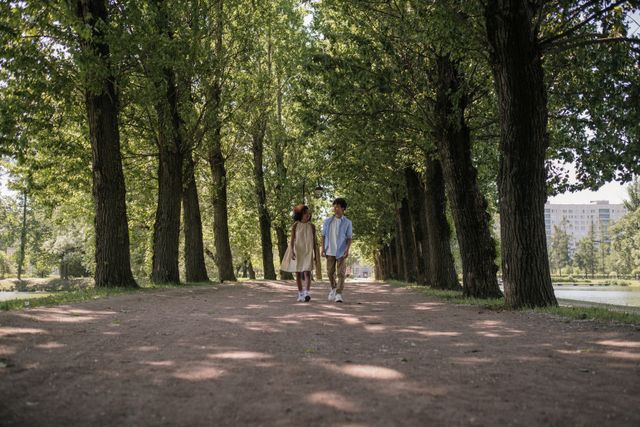
A brisk walk is one of the simplest ways to move more every day. It needs no gym membership, no special equipment, and no long training plan. A brisk walk means walking at a pace that raises your breathing and warms you up, while still letting you talk. For many people, that is enough to turn an ordinary walk into a useful daily habit that supports energy, mood, and general health.
What Is A Brisk Walk?
A brisk walk is faster than a gentle stroll, but it is not a run. You walk with purpose, swinging your arms, taking steady steps, and keeping a rhythm you can hold for the whole walk. You should feel warmer, breathe a little harder, and notice your heart working a bit more than it does when you are sitting. At the same time, you should still be able to hold a conversation, even if you would rather not sing. That simple test is a helpful guide, because it keeps the pace challenging without making it uncomfortable.
Brisk walking is different for everyone. A pace that feels brisk for one person may feel easy for another, and that is fine. Age, fitness, health, and the ground underfoot all make a difference. Walking uphill, into a wind, or on soft ground will feel harder than walking on a flat, smooth path at the same speed. The aim is not to match someone else, but to find a pace that feels lively for you and that you can keep up without stopping every few minutes.
Why A Brisk Walk Is Worth Doing
People choose brisk walking for many reasons. It is easy to fit into a normal day, it costs nothing, and it can be done almost anywhere. A walk can break up a long day of sitting, clear a busy mind, and give you a reason to step outside. Many people find that a walk helps them feel more awake in the morning, or calmer after a stressful day. It can also be a pleasant way to spend time alone, or to catch up with a friend.
Walking regularly can also support everyday fitness. It uses the legs, helps with balance, and keeps the body moving in a natural way. Because it is low impact, it is often easier on the joints than running or jumping, although anyone with joint pain or a health condition should take care and get advice if they are unsure. A brisk walk also pairs well with other healthy habits, such as eating a balanced diet, getting enough sleep, and spending time outdoors. It does not need to replace everything else, but it can be a steady part of a healthier routine.
How Brisk Should It Feel?
A good way to judge your pace is to notice your breathing. On a gentle walk, you can chat easily and hardly notice your breathing change. On a brisk walk, your breathing becomes deeper and faster, and you may need to pause for breath during a longer sentence. You should still be able to speak in short sentences. If you cannot speak at all, you are probably going too fast, and it is sensible to slow down a little until you feel comfortable again.
Your body gives other clues too. You may feel warm, even on a cool day, and your arms and legs may feel worked by the end of the walk. A little tiredness at the end is normal, but you should not feel exhausted, dizzy, or in pain. If a walk leaves you feeling unwell, or if you notice chest pain, breathlessness that does not settle, or pain that worries you, stop and rest, and seek medical advice if needed. Walking should feel like effort, not punishment.
Getting Started Safely
If you have not walked much recently, start gently and build up over time. A short walk around the block, or a ten-minute walk to a nearby shop, is a sensible first step. As your body gets used to moving more, you can walk a little further, or a little faster, a bit at a time. There is no need to rush. Small, steady progress is more likely to last than a sudden change that leaves you sore or tired.
It also helps to warm up and cool down. Begin at an easy pace for a few minutes, then pick up speed once your muscles feel loose. At the end, slow down again for a few minutes before stopping. Gentle stretching can help some people feel more comfortable, but it should never be forced. Listen to your body, and take rest days when you need them. A walk that you enjoy and can repeat is worth far more than a single long walk that puts you off for a week.
Shoes, Clothing And Comfort
You do not need expensive gear to walk briskly, but comfortable shoes make a real difference. Choose shoes that fit well, support your feet, and have soles that grip the ground. Trainers or walking shoes are usually a good choice. Avoid shoes that pinch, slip, or have very smooth soles, especially on wet paths. If your feet hurt during or after a walk, your shoes may not be right, and it is worth trying a different pair.
Clothing should be comfortable and suited to the weather. Layers work well, because you can take one off as you warm up. On a sunny day, a hat and sunscreen can help, and on a rainy day, a light waterproof jacket keeps you dry without weighing you down. In darker months, light or reflective clothing helps drivers and cyclists see you. Carrying a small bottle of water is also sensible, especially on a warm day or a longer walk.
Where To Walk
One of the best things about brisk walking is that you can do it almost anywhere. Parks, riverside paths, quiet streets, and country lanes all work well. A route with a smooth, even surface is easiest when you are starting out, while gentle hills can add variety once you feel ready. If you walk in a town, try to choose quieter streets where you can keep a steady pace without stopping at every crossing.
Walking in nature has its own pleasures. Trees, birdsong, and open sky can make a walk feel refreshing, and many people find that time outdoors helps them unwind. That said, a walk around your local area is just as useful as a walk in a beautiful park. The best route is often the one that is easy to reach, safe, and enjoyable enough that you will want to do it again tomorrow.
Making A Brisk Walk A Daily Habit
The hardest part of walking more is often fitting it into the day. It helps to link walking to something you already do. You might walk to work, or part of the way, walk to the shops instead of driving, or take a walk during a lunch break. Some people walk while listening to music, a podcast, or an audiobook, while others prefer quiet time to think. Finding a routine that fits your life makes it much easier to keep going.
It also helps to be flexible. A walk does not have to be perfect, or at the same time every day. A shorter walk is still better than no walk, and a walk split into two shorter walks can still be useful. If the weather is poor, you might walk around a shopping centre, or choose a sheltered route. The goal is to move more often, not to follow a rigid plan that falls apart at the first busy week.
A Simple Weekly Plan To Try
A weekly plan can turn good intentions into everyday habits. The list below gives simple steps to try, one at a time, rather than all at once.
- Start with a short, comfortable walk on most days, and build up slowly.
- Begin each walk at an easy pace, then pick up to a brisk pace.
- Choose one regular route that is safe, easy to reach, and enjoyable.
- Walk with a friend, family member, or dog when you can, for company and motivation.
- Wear comfortable shoes and clothing suited to the weather.
- Keep a water bottle handy on warm days and longer walks.
- End each walk at an easy pace, and notice how you feel afterwards.
This plan does not need to be rigid. If one day is busy, a shorter walk still counts, and if you miss a day, simply start again the next day. The aim is progress, not perfection, and each small step adds up over time.
Walking With Others, Dogs And Children
Walking with others can make the habit more enjoyable and easier to keep. A regular walking partner gives you a reason to turn up, even on days when motivation is low. Walking with a dog can also be a good motivator, although it is worth remembering that dogs need their own pace and breaks, and not every dog walk will be brisk. Children may enjoy shorter walks with plenty to look at, and a walk can be a simple way to spend time together without screens.
If you prefer walking alone, that is fine too. Many people value a solo walk as time to think, listen to something interesting, or simply enjoy being outside. Whether you walk alone or with others, the important thing is that the walk suits you and fits into your life. A habit that feels like a pleasure is much more likely to last than one that feels like a chore.
Common Mistakes To Avoid
One common mistake is starting too fast or too far, and then giving up when it feels hard. Another is wearing unsuitable shoes, which can lead to sore feet and blisters. Some people also try to walk at the same pace as a fitter friend, and end up exhausted. It is better to walk at your own pace, and to build up gradually, than to push too hard at the start.
Another mistake is expecting instant results. Walking is a gentle, steady habit, and its benefits build over time. You may notice better energy, mood, and sleep before you notice any other change, and that is a good sign. Try not to judge a walking habit by a single week, but by whether you are still enjoying it after a month or two. Consistency matters more than speed.
Conclusion
A brisk walk is a simple, low-cost way to move more, feel better, and spend time outdoors. It does not need special equipment, a gym, or a perfect plan. By finding a pace that feels lively but comfortable, starting gently, and building a routine that fits your life, you can make walking a lasting daily habit. For more ideas on building healthy routines, see Low Fat Diet and Wellbeing Activities. For general guidance on staying active, see the NHS guide to exercise. With a comfortable pair of shoes and a route you enjoy, a brisk walk can become one of the easiest healthy habits you ever keep.
Please note: this article is for general information only and is not medical advice. If you have a health condition, are taking medication, or are unsure whether brisk walking is suitable for you, consult a healthcare professional for personal advice before changing your activity level.
Leave a Reply