
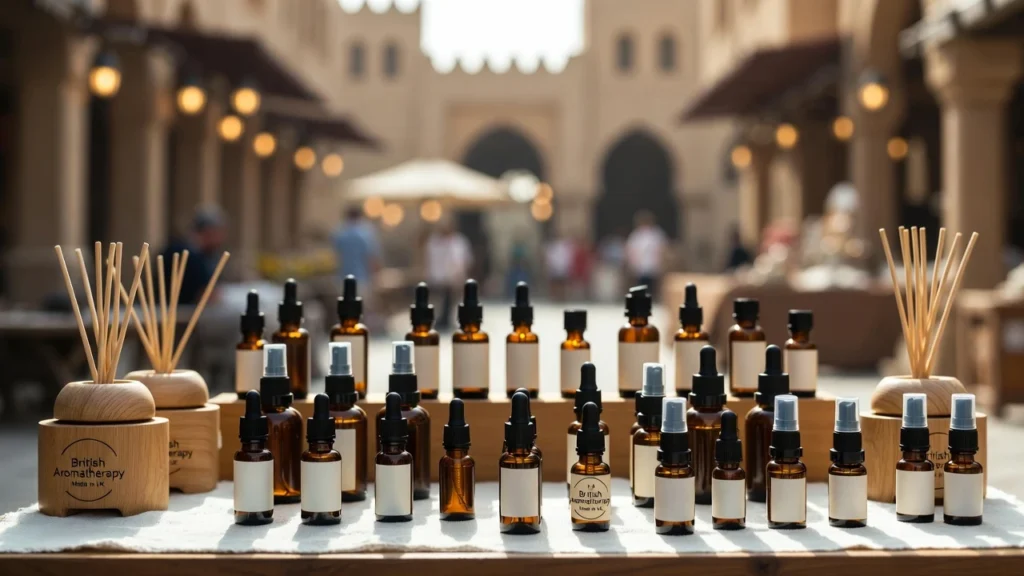
Step into any high-end spa in Dubai and the experience begins before the treatment does — the scent of essential oils, the calm of a curated environment, the promise of wellness built on natural ingredients.
Aromatherapy is no longer a niche offering in the UAE. It is embedded into hospitality, wellness, and lifestyle culture. For British brands, this presents a clear opportunity — but only for those structured to capture it.
That’s why founders exploring business setup in Dubai are increasingly positioning their aromatherapy brands for the UAE market. The demand exists. The challenge is entering the market correctly.
Why British aromatherapy brands fit Dubai’s wellness market
Dubai’s wellness sector is expanding rapidly, driven by luxury hospitality, rising health awareness, and a consumer base willing to invest in premium self-care.
Aromatherapy sits at the intersection of these trends. Essential oils, therapeutic blends, and natural wellness products are used across spas, clinics, hotels, and increasingly in home environments.
British brands have a natural advantage here.
The UK has a strong heritage in aromatherapy, supported by established training bodies, professional standards, and a reputation for quality formulations. Certifications and affiliations with organisations such as the International Federation of Professional Aromatherapists carry weight in international markets, including the UAE.
Product positioning also aligns closely with demand. British aromatherapy brands typically emphasise natural ingredients, ethical sourcing, and transparency — all of which are key purchasing drivers in Dubai.
The result is a strong product-market fit, particularly in the premium segment.
Where the demand comes from in Dubai
Aromatherapy demand in Dubai is not limited to individual consumers. It is driven by multiple sectors that operate at scale.
Hospitality is one of the largest contributors. Luxury hotels and resorts use aromatherapy oils in spas, treatment rooms, and guest experiences. Signature scents and wellness rituals are part of brand identity, creating ongoing demand for high-quality suppliers.
Wellness clinics and therapy centres represent another major channel. From massage therapy to holistic treatments, aromatherapy is integrated into a wide range of services.
Retail demand is also growing. Consumers are increasingly purchasing essential oils, diffusers, and wellness products for use at home. This shift is supported by rising interest in mental wellbeing, stress management, and natural alternatives to conventional products.
E-commerce adds another layer. With high digital adoption in the UAE, many consumers discover and purchase wellness products online, allowing brands to build a presence without relying solely on physical retail.
Together, these channels create a diversified market where both B2B and B2C models can succeed.
What compliance and product registration involve
Like all personal care and wellness products in the UAE, aromatherapy products are subject to regulatory oversight.
Every product must be registered before it can be sold. This includes essential oils, blends, and related wellness items. Authorities review ingredients, safety data, labeling, and packaging to ensure compliance with local standards.
For British brands, the process is typically manageable. Existing UK and EU documentation — including safety assessments, ingredient disclosures, and certifications — often aligns with UAE requirements.
However, there is one key requirement: registration must be completed through a UAE-registered entity or distributor.
Without that local structure, products cannot legally enter the market, regardless of quality or compliance.
Packaging must also meet specific standards, including clear ingredient labeling and, in many cases, bilingual information.
While this adds an administrative step, it also protects the market by ensuring only compliant products are sold.
Why local establishment matters for aromatherapy brands
Many founders initially consider entering Dubai through distributors. While this can provide access to retail and hospitality channels, it often comes at the cost of control.
Distributors typically manage pricing, positioning, and client relationships. This limits the brand’s ability to shape its own identity in the market and reduces margins.
Establishing a local entity changes that dynamic.
With a UAE company, brands can register products directly, invoice clients in AED, and manage relationships with spas, hotels, and retailers independently. This provides greater control over pricing, branding, and customer experience.
It also improves operational efficiency. Local invoicing aligns with how businesses in Dubai operate, reducing delays and simplifying transactions.
Perhaps most importantly, a UAE entity allows brands to scale regionally. Dubai often serves as a gateway to the wider GCC, enabling expansion into markets such as Saudi Arabia and Qatar.
How to set up an aromatherapy business in Dubai
Entering the UAE market does not require relocating production or building a large physical presence from the outset. Most British aromatherapy brands adopt a lean, scalable model.
The first step is selecting the appropriate business activities. This may include trading in essential oils, wellness products, or personal care items, as well as e-commerce or consultancy services.
Free zone structures provide flexibility here, allowing multiple related activities under a single license.
Company formation can be completed entirely online. Through Meydan Free Zone, founders can establish a UAE entity using only their passport. The Fawri license model enables incorporation in under 60 minutes, creating the legal framework needed for contracts, banking, and product registration.
Once the company is established, a UAE bank account allows for local invoicing and smoother financial operations.
Products can then be registered through the relevant authorities, enabling legal sale across retail, hospitality, and online channels.
Operationally, most brands keep production in the UK while using UAE logistics partners for storage and distribution. The Dubai entity manages contracts, invoicing, and market development.
As the business grows, founders may add local staff, expand into retail partnerships, or establish a physical presence.
What a Meydan Free Zone setup enables
For aromatherapy brands, the value of a Meydan Free Zone entity is practical and immediate.
It allows products to be registered locally, clients to be invoiced in AED, and the business to operate within the UAE’s commercial framework. This removes the friction that often slows international expansion.
The structure supports flexibility. Founders retain full ownership, can combine multiple business activities under one license, and avoid committing to large overheads in the early stages.
Administrative support services handle compliance, renewals, and operational requirements, allowing founders to focus on product development and sales.
Financially, qualifying Free Zone income can benefit from favourable corporate tax treatment, and profits can be repatriated without restriction.
Conclusion
Dubai’s wellness market is expanding, and aromatherapy is becoming a core part of that growth.
British brands enter this space with strong advantages: formulation expertise, recognised certifications, and a reputation for quality and transparency. These qualities align closely with what Dubai consumers and businesses are actively seeking.
The opportunity is clear. The remaining step is ensuring the business is structured to operate in the market effectively.
Through Meydan Free Zone, founders can establish the framework needed to register products, access clients, and scale across the UAE and beyond.
For British aromatherapy brands, Dubai is not just a new market. It is a natural extension of what they already do well.