
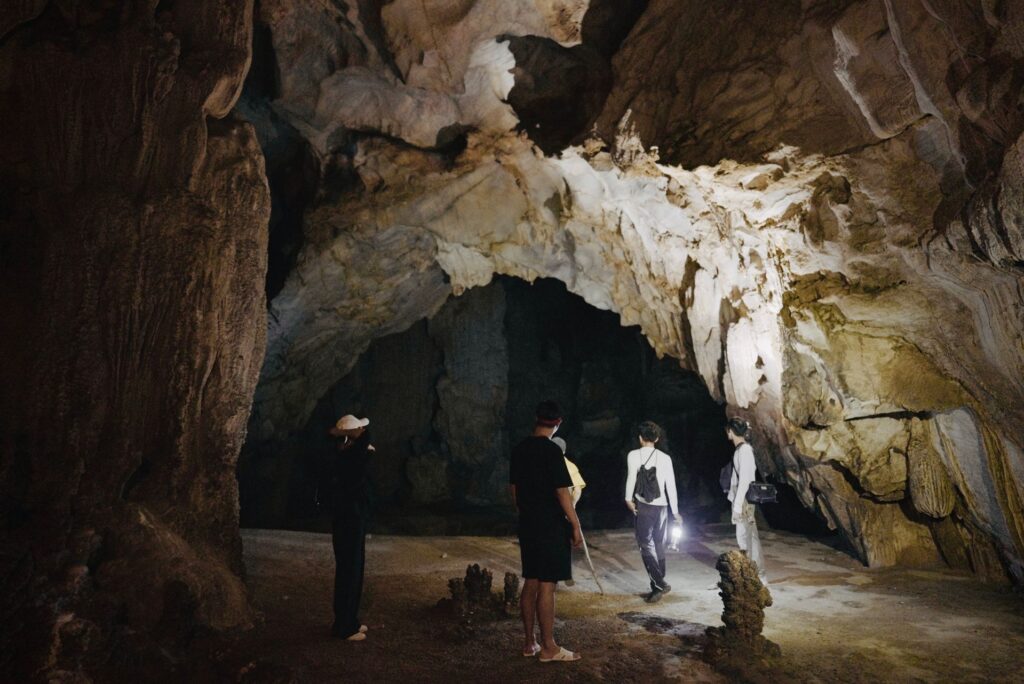
Caves aren’t exactly the kind of place where it pays to turn up unprepared. From the outside, a cave entrance can look pretty harmless. Walk in, have a look around, take a few photos and head back out. Except it doesn’t always work that way.
Once underground, there may be loose rocks, deep water, very little light and sections where the route is much harder than it looked from the entrance. Weather can also change conditions inside a cave, sometimes quite quickly.
For anyone planning to go beyond a guided tourist cave, a few basic precautions are worth taking seriously.
First Rule: Don’t Go Alone
This really should be the starting point. Go with a group, particularly if the route is unfamiliar or involves anything technical. Four people is a sensible minimum for more serious trips. If someone gets hurt, one person can stay with them while the others get help.
There should also be someone outside the group who knows where everyone has gone. Not just “going caving today”. Give them the cave or area, the planned route and the expected time of return. If the group is several hours late, that person has something useful to work with.
Check The Weather
Rain outside can mean water inside. Some cave systems are affected by rainfall much more than others, and water levels can rise surprisingly quickly. A route that was fine earlier may not be so simple after heavy rain.
The British Caving Association recommends considering conditions, experience and appropriate equipment before undertaking caving activities. Its safety guidance is a useful starting point for anyone getting into the activity. If there’s a serious weather warning and the planned cave is known to flood, changing the plan is probably the sensible call. There will always be another weekend.
Don’t Rely On One Torch
This is one of those things that sounds obvious until a light actually fails. Underground, there’s no daylight to fall back on. A phone torch shouldn’t be the main light source, either. Phones get wet. Batteries run out. Screens crack. A proper headlamp, spare batteries and backup lights should be standard equipment. For more serious caving trips, carrying three independent lights per person is a useful rule. Turn them on before entering. It’s much easier to discover a dead battery at the car park.
Wear Clothes for The Cave, Not The Weather
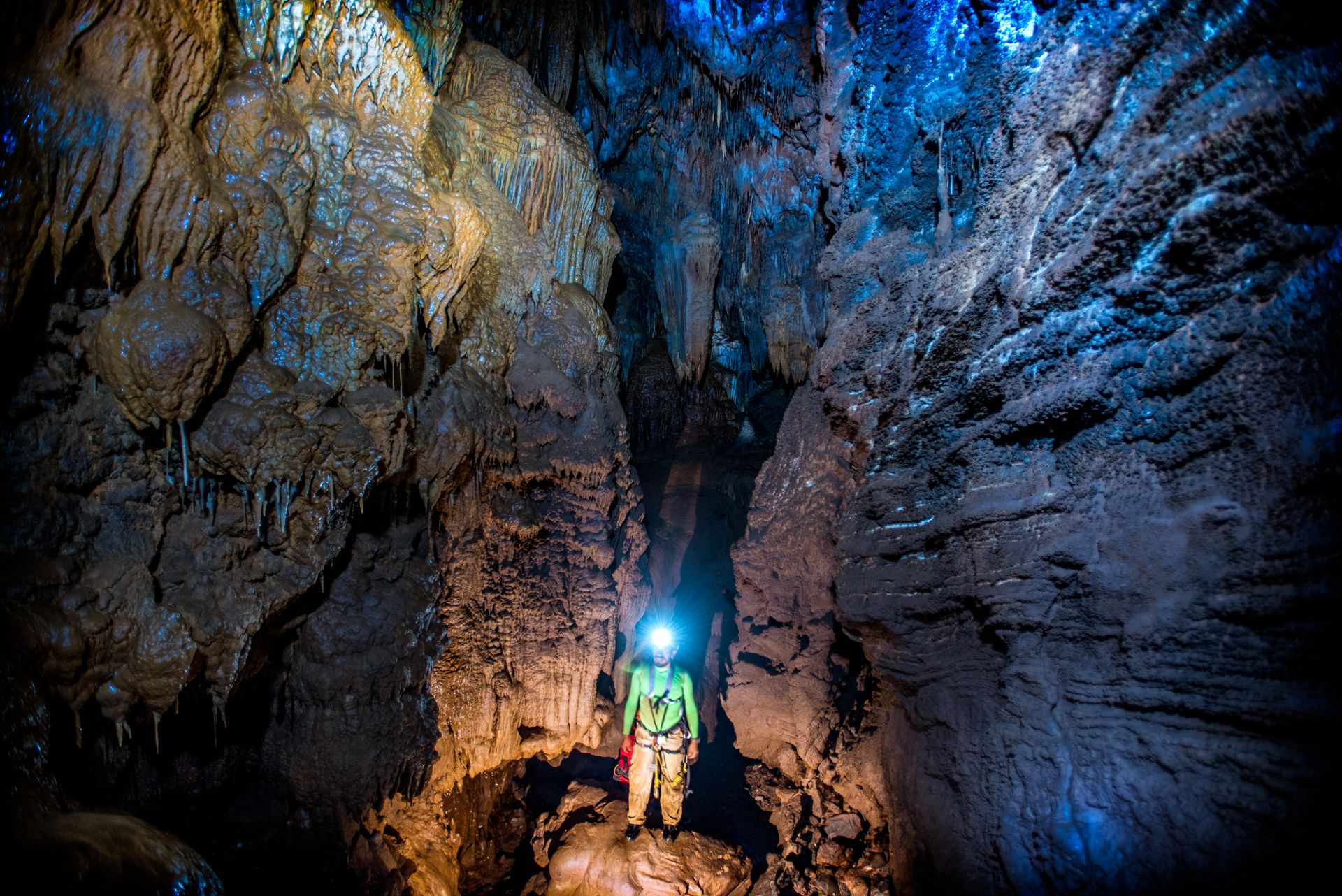
It can be warm and sunny outside and absolutely miserable underground. Caves are often cold, damp and muddy. Waterproof or moisture-resistant layers, warm clothing and footwear with good grip are far more useful than whatever outfit would normally be worn for a summer walk.
A helmet is also important where there are low ceilings, falling-rock risks or narrow passages. And if the trip involves ropes, climbing or vertical sections, that’s a different level of activity altogether. Specialist equipment and training are needed. The British Caving Association has separate guidance covering technical equipment and rope work. Trying to work it out as you go along isn’t a good plan.
What About Communication?
This is where things can get a little complicated. Mobile phone coverage cannot be taken for granted underground. A phone might have a signal near the entrance and nothing at all further inside. That becomes a bigger issue in mines, tunnels and large underground facilities where workers may need to stay in contact over long distances.
Specialist communication systems are used for this reason. In some underground environments, leaky feeder systems help extend radio coverage through areas where conventional wireless signals struggle to reach. For recreational cavers, there’s no need to overcomplicate it. Just don’t assume that a mobile phone will save the day.
Make sure someone knows the route. Carry whatever communication equipment is appropriate for the trip. And know what the emergency arrangements are before going underground.
Take The Difficult Bits Slowly
There’s no reason to rush. Wet rock is slippery. Loose stones move. Some passages are low enough that a careless step can turn into a nasty knock. Use your hands when you need to. On awkward sections, keeping three points of contact with the rock can help with balance. Good footwear matters here more than people sometimes expect. And don’t worry about holding up the group. Five extra minutes spent getting safely across a difficult section is nothing compared with dealing with a broken ankle underground.
Pack for The Possibility of Being Delayed
A little extra food and water doesn’t take up much space. Neither does a basic first-aid kit. Extra clothing is useful too, especially if there’s a chance of getting wet. A trip that was supposed to take two hours can take much longer if somebody is injured, a route is blocked or the group has to turn around. That’s the thing with outdoor activities. The emergency kit is usually the stuff nobody wants to need. Until it’s needed.
Don’t Damage the Cave
Caves aren’t just empty spaces underground. They can contain delicate formations, unusual ecosystems and wildlife that may be easily disturbed. Avoid touching stalactites and stalagmites. Don’t break pieces off. Don’t leave food or rubbish behind. And give bats and other cave wildlife plenty of space.
The National Trust also highlights the need to follow site-specific safety advice and protect sensitive environments when visiting underground locations. Some damage cannot really be undone. A rock formation that took thousands of years to develop doesn’t recover because somebody wanted a better photograph.
Turning Back Isn’t Failing
This is probably the hardest bit for adventurous people. The group has travelled to the cave. Everyone is ready. The route is almost done. But maybe the water has risen. Maybe someone is exhausted. Maybe the conditions are simply worse than expected. Turn around. There’s no achievement in pushing through a situation that has stopped being safe. Caves aren’t going anywhere. Another trip can always be planned.
The best preparation for underground exploration is fairly straightforward: know where you’re going, take the right equipment, keep someone informed and pay attention to what’s happening around you. Then enjoy the part that brought you underground in the first place.