
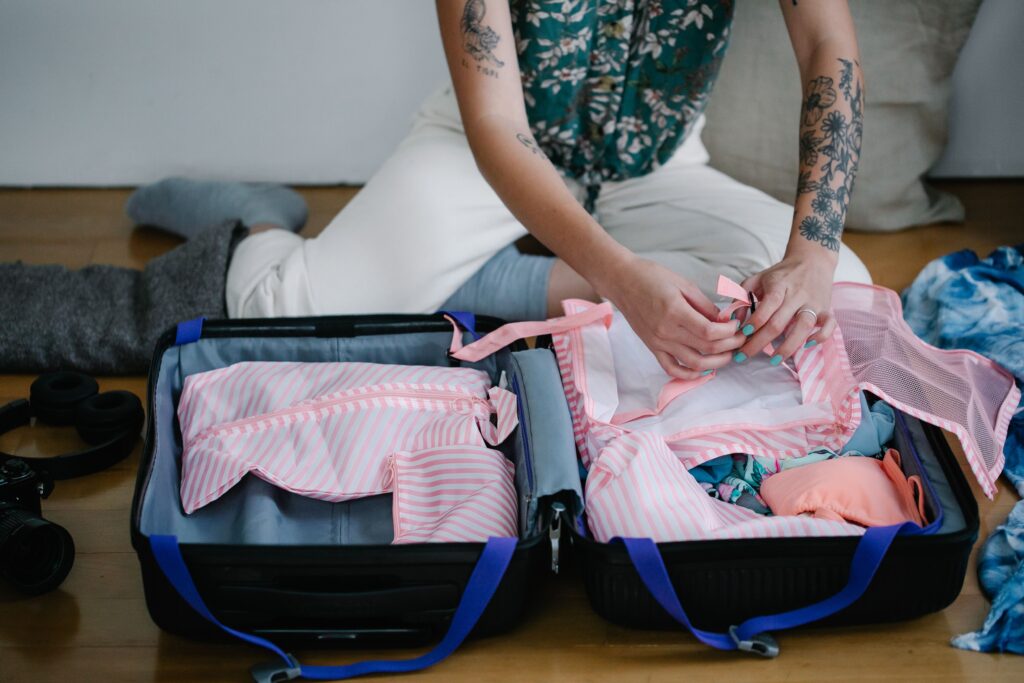
Europe trip packing is easier when you pack for the trip you are actually taking, not for every possibility. For UK travellers, a Europe trip usually means a short flight, a mix of walking and sightseeing, and weather that can change between cities. This guide explains what to pack for a Europe trip, season by season, so your bag stays light, useful, and easy to carry.
The short answer is to pack a small, matching wardrobe, comfortable shoes, and the documents and chargers you need, then adjust for the season. A capsule wardrobe in neutral colours, one warm layer, and one waterproof layer will cover most European city breaks and longer trips. For outfit ideas for the journey itself, see Airport Outfits: Comfortable, Stylish Looks For UK Travellers.
Start With The Basics For Every Europe Trip
Every Europe trip needs the same core items, whatever the season. Start with your passport, travel insurance details, payment cards, and phone charger. UK travellers should also check entry and travel requirements for their destination before departure, because rules for different countries can differ. The UK government provides destination travel advice on GOV.UK: Foreign Travel Advice, which is a useful check before you pack.
Next, pack clothing you can mix and match. Choose three or four tops, two bottoms, and one or two layers that all work together. Neutral colours such as navy, black, white, grey, and beige make this simple. Add a scarf or a light jacket for warmth and variety. This approach means you can create several outfits from a small number of items, which is ideal for a cabin bag or a small suitcase.
How Much To Pack For Different Trip Lengths
For a weekend city break, you can often manage with a cabin bag. Pack two or three outfits, sleepwear, toiletries, and one pair of comfortable walking shoes plus a smarter pair if needed. For a week-long trip, add two more tops and one more bottom, and plan to wash clothes once if your accommodation has laundry facilities. Packing for a week does not mean packing seven completely different outfits.
For two weeks or more, laundry becomes essential. Choose fabrics that wash and dry easily, and avoid items that need special care. Rolling clothes can save space and reduce creases for soft items, while packing cubes help keep tops, bottoms, and underwear separate. A small laundry bag keeps dirty clothes apart from clean ones, which makes unpacking at the end of the trip much easier.
Europe Trip Packing In Spring
Spring in Europe can be warm in the south and cool in the north, and rain is common. Pack layers: a light jumper, a waterproof jacket, and a scarf. Light trousers and a pair of jeans or chinos work well. Comfortable walking shoes that can handle wet pavements are important. A small umbrella is useful, but a waterproof jacket with a hood is often more practical in windy cities.
Spring is a good time for a capsule wardrobe because you can wear the same layers in different combinations. A dress or a smart shirt can work for an evening meal, while the same jacket and shoes work for daytime sightseeing. Check the forecast for each city you will visit, not just the first one, because temperatures can vary widely across Europe in spring.
Europe Trip Packing In Summer
Summer packing should focus on light, breathable clothes and sun protection. Pack short-sleeve tops, light trousers or a skirt, and a dress or smart shorts if they suit your plans. Include a hat, sunglasses, and sunscreen. Even in summer, pack a light layer for air-conditioned trains, museums, and cooler evenings. A light cardigan or overshirt is enough for most places.
Comfortable sandals or trainers are essential for summer sightseeing, but choose a pair with good support if you will walk for hours. Avoid packing too many shoes. One comfortable pair for walking and one smarter pair for evenings is usually enough. A small day bag or crossbody bag is useful for carrying water, sunscreen, and a map or phone while you explore.
Europe Trip Packing In Autumn And Winter
Autumn and winter trips need warmer layers and a good coat. Pack thermal layers, a warm jumper, and a waterproof coat. Wear your heaviest coat and boots on the flight so they do not fill your bag. Gloves, a hat, and a scarf make a big difference in cold cities, and they take little space. Choose dark colours that hide marks from rain and travel.
In winter, focus on warmth without bulk. Thin thermal tops under a jumper are warmer and lighter than one very thick jumper. Waterproof shoes with a good grip are important for wet or icy pavements. If you are visiting Christmas markets or spending time outdoors, an extra warm layer is worth the space. Indoors, museums and restaurants are usually warm, so layers you can remove are still the best choice.
The Europe Packing Checklist
Use this checklist as a starting point, then remove anything you will not use:
- Passport, travel insurance details, and payment cards
- Phone, charger, and a European plug adapter if needed
- Three to four tops and two bottoms in matching colours
- One warm layer and one waterproof jacket
- Comfortable walking shoes and one smarter pair
- Underwear, sleepwear, and swimwear if your hotel has a pool
- Toiletries in travel sizes, plus any medication
- Sunglasses, sunscreen, and a hat for warm weather
- A small day bag, a reusable water bottle, and a book or headphones
Before you close your bag, check that you can lift it easily and that you have space for anything you may buy. A bag that is already full on departure leaves no room for souvenirs or extra layers you may need later in the trip.
Packing For Trains, Planes And City Walking
Many Europe trips involve more than one type of transport. A bag with wheels works well for airports and stations, while a small backpack or day bag is better for city walking. If you are taking trains between cities, keep valuables, documents, and snacks in a bag you can keep close. A bag that is easy to lift onto a train rack or into an overhead locker will make every change of transport less stressful.
For city walking, choose shoes you have already worn in. New shoes can cause blisters on a day with a lot of walking. Break them in at home before the trip. A comfortable pair of shoes is more important than a fashionable pair that hurts after an hour. If you plan to visit churches, museums, or restaurants with dress codes, pack one outfit that covers shoulders and knees, just in case.
Common Europe Packing Mistakes To Avoid
The most common mistake is overpacking. Travellers often pack for weather that never happens or for occasions they never attend. Another mistake is packing too many shoes or heavy guidebooks. Use your phone for maps and guides, and pack only the shoes you will actually wear. A third mistake is forgetting a layer for evenings. Even warm destinations can feel cool at night, especially near the coast.
Finally, do not leave packing until the night before departure if you can avoid it. A short list written a few days ahead gives you time to wash clothes, charge devices, and check documents. Packing calmly also helps you notice what you do not need, which is just as important as remembering what you do need.
Conclusion
Good Europe trip packing is about a small, flexible wardrobe, comfortable shoes, and a few essential documents and chargers. Pack for the season, check the weather in each city, and leave room in your bag for the trip itself. With a simple capsule wardrobe and a clear checklist, you can travel light and focus on enjoying Europe. For more travel planning ideas, explore the Travel section on FM Magazine.
Frequently Asked Questions
How Many Outfits Should I Pack For A Week In Europe?
For a week, pack three to four tops and two bottoms that mix and match, plus layers for warmth and rain. This gives you several outfits without a heavy bag, especially if you can wash clothes once during the trip.
Should I Pack A Cabin Bag Or A Checked Bag For Europe?
A cabin bag is enough for most short Europe trips if you pack light and choose a capsule wardrobe. A checked bag is better for longer trips, winter travel, or trips where you need bulkier clothes and more shoes.
What Is The Most Important Item To Pack For Europe?
Comfortable walking shoes are often the most important item, because most European city trips involve a lot of walking. Documents, chargers, and a waterproof layer are also essential for a smooth trip.
One Last Europe Packing Tip
Before you leave, take a photograph of your packed bag and your travel documents, and keep a copy in your email or phone. If a bag is delayed, that photograph makes it easier to describe what is inside. Also, pack a small bag of essentials in your hand luggage, including a toothbrush, a change of underwear, and any medication. That way, even if your main bag takes longer to arrive, your first evening in Europe will still be comfortable. A little preparation at home saves a lot of stress on arrival, and it costs nothing except a few minutes of planning.
Leave a Reply