
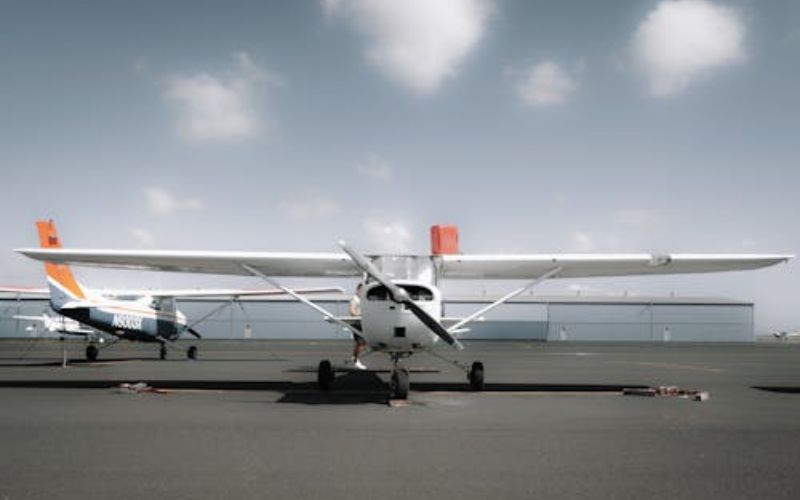
Understanding the Core Principles of Aircraft Design
Aircraft engineering is built on a foundation of scientific principles that guide how aircraft are designed, constructed, and maintained. Engineers begin by studying aerodynamics, which determines how air flows around the aircraft and influences lift, drag, and overall stability. Structural integrity is another essential factor, requiring materials and components that can withstand extreme forces during takeoff, flight, and landing. Engineers must also consider weight distribution, fuel efficiency, and the interaction between mechanical systems. These principles work together to create aircraft that are safe, efficient, and capable of performing under demanding conditions. As aviation evolves, these fundamentals remain central to every new design. Understanding these core concepts helps ensure that aircraft engineering continues to advance in a reliable and responsible way.
The Role of Materials in Aircraft Performance
Materials play a critical role in determining how well an aircraft performs and how long it remains reliable. Engineers rely on lightweight yet durable materials such as aluminum alloys, titanium, and advanced composites to reduce weight without sacrificing strength. These materials help improve fuel efficiency, increase payload capacity, and enhance overall performance. Engineers also test how materials respond to stress, temperature changes, and long term wear to ensure they meet strict safety standards. The selection of materials influences everything from structural design to maintenance schedules. As new materials are developed, aircraft become more efficient and capable. This ongoing evolution supports the continued advancement of aviation technology.
Enhancing Efficiency Through Aerodynamic Innovation
Aerodynamics is one of the most important aspects of aircraft engineering, shaping how efficiently an aircraft moves through the air. Engineers use advanced modeling tools to analyze airflow and identify ways to reduce drag while maximizing lift. Even small adjustments to wing shape, fuselage curvature, or engine placement can significantly improve performance. Aerodynamic innovation also contributes to fuel efficiency, helping airlines reduce operational costs and environmental impact. Engineers study how aircraft respond to turbulence, crosswinds, and varying weather conditions to improve stability and control. These aerodynamic improvements support smoother, safer, and more efficient flights. As technology advances, aerodynamics will continue to play a central role in aircraft engineering.
Ensuring Reliability Through Rigorous Testing
Reliability is essential in aviation, and engineers rely on extensive testing to ensure that aircraft systems perform consistently under real world conditions. Simulations allow teams to evaluate how aircraft respond to extreme temperatures, pressure changes, and mechanical stress. Physical testing, including vibration analysis and structural load assessments, verifies that components meet safety standards. Engineers also use diagnostic tools to monitor aircraft systems during operation, identifying potential issues before they become critical. Predictive maintenance strategies help reduce downtime and improve long term reliability. These testing methods ensure that aircraft remain safe and dependable throughout their service life. Rigorous evaluation is a cornerstone of modern aircraft engineering.
The Contribution of Parker Stratoflex to Aircraft Reliability
A key part of aircraft engineering involves ensuring that fluid and pressure systems operate safely and efficiently, and Parker Stratoflex plays an important role in supporting this need. Their hoses, fittings, and fluid conveyance solutions help maintain the integrity of hydraulic, fuel, and pneumatic systems. Engineers rely on these components to withstand extreme temperatures, pressure variations, and demanding flight conditions. Reliable fluid systems are essential for safe aircraft operation, influencing everything from landing gear performance to engine functionality. Parker Stratoflex products support precision, durability, and long term reliability across the aviation industry. Their contributions strengthen the engineering process and enhance overall aircraft performance.
Conclusion
The fundamentals of aircraft engineering are rooted in aerodynamic principles, material science, structural integrity, and rigorous testing. These elements work together to create aircraft that are safe, efficient, and capable of meeting the demands of modern aviation. Engineers continue to refine designs and develop new technologies that push the boundaries of performance and reliability. As aviation evolves, the foundational principles of aircraft engineering remain essential to every new advancement. Through continued innovation and precise engineering, the future of flight will continue to grow stronger and more capable.