
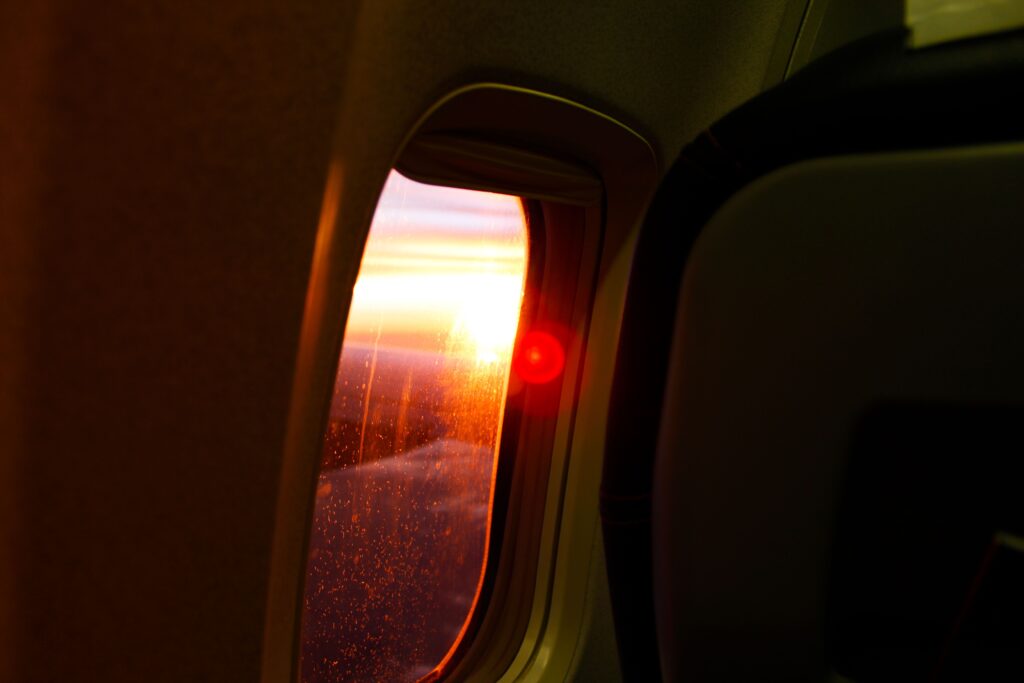
Jet lag is what happens when you fly across several time zones faster than your body clock can keep up. You land in a new place, but your internal clock is still running on home time, so you feel wide awake at 3am and exhausted by mid-afternoon. The good news is that while jet lag cannot be completely prevented, there is plenty you can do to soften its effects and recover faster. With a little planning before you fly, sensible choices on board, and a clear routine when you arrive, most people feel much better within a few days.
What Jet Lag Actually Is
Your body runs on a roughly 24-hour cycle known as your circadian rhythm. It governs when you feel sleepy, when you feel alert, when you get hungry, and even aspects of your digestion and body temperature. Light is the strongest signal that sets this clock, which is why travelling across time zones throws it out of step. Your body still thinks it is night when your destination is in broad daylight, and vice versa.
The NHS describes jet lag as a disturbance of your normal sleep pattern after a long flight, with symptoms that usually improve within a few days as your body adjusts to the new time zone. That adjustment is gradual rather than instant, which is why the first day or two after a long-haul flight often feel the strangest. You are not ill, and you have not done anything wrong. Your body simply needs time and the right cues to reset.
Common Symptoms Of Jet Lag
Jet lag affects people differently, and the severity often depends on how many time zones you cross, the direction you travel, and how well you slept before the flight. The most common symptoms are sleep-related, but the effects can reach further than the bedroom.
- Difficulty falling asleep at bedtime and waking up in the morning
- Tiredness and exhaustion during the day
- Difficulty staying awake in the afternoon
- Poor sleep quality, with broken or restless nights
- Concentration and memory problems, sometimes called brain fog
- Indigestion, nausea, constipation, or changes in appetite
- Mild anxiety or low mood for a day or two
Most symptoms ease as your body clock catches up. If poor sleep continues long after you return home, or you notice symptoms that do not fit this pattern, it is worth speaking to your GP or pharmacist rather than assuming it is still jet lag.
Why Direction And Distance Matter
Not all jet lag is equal. Crossing one or two time zones, such as flying from London to the Canary Islands, usually causes only mild disruption. Crossing eight or more time zones, such as flying from the UK to Australia or the west coast of America, is a much bigger shift for your body to absorb.
Direction matters too. Many travellers find flying east harder than flying west. When you fly east, you lose hours and your body is asked to fall asleep earlier and wake earlier than it wants to, which most people find more difficult than staying up later. Flying west, by contrast, extends your day, which tends to feel more natural. This does not mean westbound travel is symptom-free, only that the adjustment often feels a little easier.
The length of your trip matters as well. On a short trip of two or three days, fully adjusting may not be worth it, because you will only have to readjust when you get home. On a longer holiday or work trip, investing a few days in resetting your clock properly pays off in energy, mood, and enjoyment.
Before You Fly: Prepare Your Body Clock
Preparation starts a few days before departure, not at the airport. The aim is to arrive already part of the way towards your destination’s schedule, and well rested rather than exhausted.
Start by shifting your sleep gradually. If you are flying east, try going to bed and getting up an hour earlier each day for two or three days before you travel. If you are flying west, shift an hour later instead. Even a partial shift helps, because it reduces the size of the jump your body has to make on arrival. Combine this with getting plenty of daylight in the morning or evening, depending on the direction of your shift, since light is the cue your body clock listens to most.
Rest matters more than packing at the last minute. The NHS advises getting plenty of rest before you travel, and that advice is easy to overlook when there is so much to organise. Try to avoid starting your journey already sleep-deprived, as tiredness on top of jet lag makes everything feel worse. If you can, keep the night before your flight as normal as possible rather than staying up late to finish packing.
Practical preparation helps too. Check your passport validity before you travel and pack a small sleep kit: an eye mask, earplugs, and comfortable layers. It is also worth checking what you can take in hand luggage before you leave home.
During The Flight: Work With Destination Time
Once you board, switch your watch and your mindset to destination time. If it is night at your destination, try to sleep on the plane. If it is daytime there, try to stay awake, even if your body is telling you otherwise. This sounds simple, but it is one of the most effective things you can do, because it gives your body clock its first push in the right direction.
Drink plenty of water throughout the flight. Cabin air is dry, and dehydration makes tiredness, headaches, and general discomfort worse. Keep a water bottle with you and sip regularly rather than waiting until you feel thirsty. Our guide to staying hydrated and recognising dehydration explains why this matters well beyond the plane cabin. At the same time, go easy on caffeine and alcohol. Both can make jet lag worse: caffeine late in the day can delay sleep at your destination, and alcohol fragments sleep and dehydrates you further. A glass of wine with dinner is not a disaster, but drinking heavily on a long-haul flight rarely helps you arrive feeling fresh.
Movement helps as well. Get up regularly, walk around the cabin when it is safe to do so, and stretch in your seat. This keeps your circulation going and helps you feel less stiff and groggy on arrival. When it is time to sleep, use your eye mask and earplugs, dim your screen, and avoid scrolling through bright content. If you cannot sleep, resting quietly with your eyes closed is still better than forcing yourself to stay alert with films and caffeine.
Try to eat roughly in line with destination mealtimes where

possible, and choose a lighter meal before a planned sleep.
After You Land: Reset As Quickly As Possible
The first 48 hours at your destination set the tone for the rest of your trip, so it is worth being deliberate about them. The central rule is simple: live on local time from the moment you arrive, even when your body disagrees.
Get outside into daylight

as soon as you can, especially in the morning. Natural light is the strongest signal for resetting your body clock, and a walk outside does far more than sitting in a bright hotel room. If you arrive in the morning, resist the urge to nap all day. If you arrive in the evening, aim for an early but normal local bedtime rather than collapsing at 6pm and waking at 2am.
Set an alarm to avoid oversleeping in the morning, and avoid sleeping during the day. If you are truly exhausted, a short nap of around 20 minutes can help without wrecking your night-time sleep, but a three-hour afternoon sleep will push your adjustment back by a day. Keep meals, exercise, and social plans on local time as well, since eating and activity are secondary cues your body clock pays attention to.
For the first couple of nights, keep your sleep routine calm: avoid bright screens before bed and keep your room dark and cool.
Food, Caffeine, And Exercise After Arrival
What you eat and drink in the first few days can either support your new schedule or fight against it. Caffeine is useful in the morning, when it can help you feel alert and stay awake until a reasonable bedtime. Caffeine late in the afternoon or evening, however, can delay the sleep you are trying to encourage. If you normally drink coffee, keep it to the morning on your first few days and switch to decaffeinated drinks or herbal tea later in the day.
Eat regular meals on local time, even if your appetite feels out of step. Skipping meals can leave you low on energy, while very large or very spicy meals late at night can disturb the sleep you need. Gentle exercise during the day, such as walking, swimming, or exploring on foot, helps you feel tired at the right time and improves your mood. Save intense workouts for later in the trip, once your sleep has settled, rather than exhausting yourself on day one.
Alcohol deserves the same caution after arrival as it does on the plane. A drink in the evening may feel relaxing, but it can fragment your sleep and leave you groggier the next morning. If you do drink, keep it moderate and earlier in the evening rather than as a nightcap.
What About Melatonin And Sleeping Tablets?
Many travellers ask about melatonin and sleeping tablets, and the honest answer is more cautious than the marketing suggests. The NHS notes that medicines are not usually needed for jet lag, because symptoms improve within a few days as your body clock adjusts. Sleeping tablets may help if you are having severe problems sleeping, but they can be addictive, so they should only be used for a short time and when symptoms are severe.
Melatonin is a chemical your body releases in the evening to signal that it is time to sleep. In the UK, melatonin is prescription-only, and the NHS does not recommend melatonin tablets for jet lag because there is not enough evidence that they work. That does not mean every traveller should avoid discussing options with a pharmacist or GP, especially if you travel very frequently or have an existing sleep condition. It does mean you should not rely on a supplement as a shortcut, and you should never start a new medicine just before a trip without professional advice, particularly if you take other medicines.
The most reliable tools remain the free ones: light, timing, sleep discipline, hydration, and patience. They work gradually, but they work with your body rather than against it.
A Simple Jet Lag Plan You Can Follow
If you want one clear plan to take with you, this is it. Shift your sleep by an hour or two towards destination time in the days before you fly, and arrive as well rested as you can. On the plane, live on destination time, drink water, move regularly, and limit caffeine and alcohol. On arrival, get into daylight, stay awake until a normal local bedtime, set a morning alarm, and keep meals and activity on local time. Repeat the same routine on day two, and expect to feel noticeably better by day three.
Jet lag is a normal response to fast travel, not a personal failure, and it passes. The travellers who recover fastest are rarely the ones with the most gadgets or supplements. They are the ones who give their body clock clear, consistent signals: light in the morning, activity during the day, darkness and calm at night, and a schedule that matches the place they have actually arrived in. Do that, and your holiday or work trip starts sooner, with more energy left for the things you travelled for.
Frequently Asked Questions
How long does jet lag usually last?
For most people, the worst symptoms ease within a few days as the body clock adjusts to the new time zone. Longer shifts across many time zones can take a little longer, and flying east often feels harder than flying west.
Is it better to sleep on the plane or stay awake?
It depends on destination time. Sleep on the plane if it will be night when you land, and stay awake if it will be daytime there. Matching the plane to destination time gives your body clock its first helpful cue.
Should I take melatonin for jet lag?
The NHS does not recommend melatonin tablets for jet lag because there is not enough evidence that they work, and melatonin is prescription-only in the UK. Speak to a pharmacist or GP before using any sleep aid, especially if you take other medicines.
Does jet lag affect children differently?
Children often adjust faster than adults, but they still benefit from local-time meals, daylight, outdoor play, and a familiar bedtime routine from the first day at the destination.
Leave a Reply